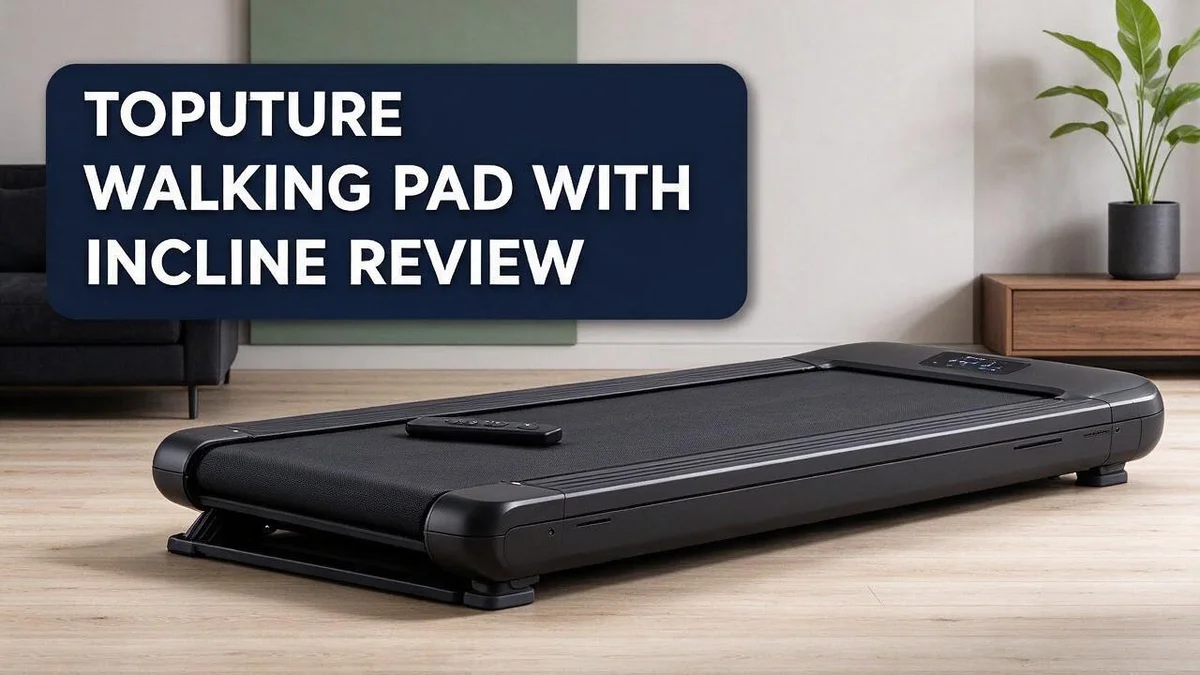
TOPUTURE Walking Pad with Incline Review 2026: Buy or Pass?
Want to walk more without leaving your home? A walking pad with incline could be the answer. The TOPUTURE model brings hill-style workouts right to your living room.
Many walking pads feel flimsy and flat. This one offers a sturdier deck and frame, plus a handle bar for extra balance.
The incline reaches up to 12 percent on one model. Another version tops out at 10 percent and uses a stronger motor. You can even tuck it under your desk while you work.
In a Nutshell
- Motor options: Buyers can pick a 2.5HP model or a 3.0HP model. The stronger motor suits people who plan longer daily walks. It also handles steady use without strain.
- Speed reach: The 2 in 1 model tops out at 10 MPH. That speed lets you jog a little when you feel ready. Most walkers will not need more than that for daily fitness.
- Sturdy feel: The deck and frame feel more substantial than basic walking pads. Alloy steel construction supports regular use at home. People who dislike wobbly machines may notice this difference right away.
- Handle support: The handle bar adds balance when you walk on an incline. It also gives you a secure grip during faster steps. Beginners often find this extra stability helpful.
- Quieter sessions: A mute control helps keep noise lower during early morning or late evening walks. Under desk use also becomes easier in a small home office.
- Warranty and durability: One user called the warranty useless. Some prospective buyers also question long term durability. Read the terms and reviews carefully before you commit.
Build and Materials

Last update on 2026-11-09 / Affiliate links / Images from Amazon Product Advertising API
The TOPUTURE walking pad centers on alloy steel. This metal mix gives the core structure its strength. Strength matters because the unit handles daily walking sessions.
Belt length also plays a role in the build. A longer belt gives you more room for natural strides. Reviewers often mention the belt as a positive feature.
The pad folds for storage. This design helps you tuck it beside a bed or behind a sofa. Folding makes it easier to clear floor space after each session.
Under-desk use is another practical angle. You can walk while you answer emails or read reports. Stepping away from your chair adds movement to a busy workday.
Some prospective buyers question long-term durability. Think about how often you plan to walk. Heavy daily use puts more stress on the frame and belt.
Before you buy, check the frame joints and folding points. Inspect these areas closely because they handle the most movement. A careful check helps you feel confident in your choice.
Good build quality still needs basic care. Wipe dust from the frame after each session. Keep the belt clean and properly tensioned.
Shared homes need extra thought. Kids or pets may bump the unit, so a solid frame helps. Keep cords and nearby objects clear for safer use.
In short, the materials and layout suit home walkers well. Alloy steel, a long belt, and a folding design work well together. Still, review durability feedback before you commit.
Motor and Speed Performance
Motor power shapes how the belt feels under your feet. A steady motor keeps your pace smooth, so you avoid sudden jolts or drops in speed.
Think about your walking style before you choose. Slow strolls need less effort from the motor. Longer or brisk sessions ask more from the drive system, so a stronger unit often feels more comfortable over time.
Check the motor rating against your plans. If you want incline walks most days, the higher rated option gives you more room for effort.
Speed control matters just as much as top speed. Many walkers stay well below the highest setting. Start at a gentle pace, then raise it in small steps until your stride feels natural.
Warm up for three to five minutes before you increase speed. Gentle walking wakes up your legs and helps the belt feel more predictable.
Incline and speed work together. Walking uphill adds load to the motor, so a slower belt speed often gives a solid workout with less strain.
Keep the area around the pad clear. Loose rugs or cables can catch under the belt and affect speed.
Give the motor short rests during long sessions. Step off and let the belt slow down for a minute or two when you feel tired or the pad feels warm.
Listen for changes in sound. A smooth hum is normal, while grinding or sudden surges signal a problem. Check the power cord and belt alignment first, then reach out to support if the issue continues.
Test the start and stop feel during your first few sessions. A gentle response shows that the controller and motor work well together.
Good motor performance supports daily habits. Reliable speed helps you build a routine, and that consistency keeps you moving. Pick a speed that feels comfortable for your body.
Incline Training Features
Incline training turns a flat stroll into a hill style workout. Your legs push harder even at a gentle pace.
Start low when you first try this feature. A small step up helps your calves and hips adjust. Most people notice the change within a few minutes.
Build your ramp slowly. Raise the setting by one or two levels each week. This gives your ankles and knees time to adapt.
Pair a steep ramp with a slower pace. A relaxed speed keeps your stride smooth and controlled. Many walkers find this combo easier on the joints than brisk walking on flat ground.
Keep your posture upright. Look ahead instead of down at the belt. Let your arms swing loosely and rest your hand on the handle only lightly.
Land softly on each step. On an incline, your heel often hits first. Roll through the foot to protect your shins and reduce strain.
Try interval blocks for variety. Walk five minutes on a gentle ramp, then two minutes on a steeper one. Repeat this pattern three times for a balanced session.
Listen to your body after each session. Mild warmth in the calves and thighs is normal. Sharp pain means you should lower the ramp and rest.
Incline walking suits people who want hill practice without driving to a trail. It brings the outdoors inside during rainy months.
Keep a towel and water bottle nearby for short breaks. Hydration matters more on a steeper climb.
Stop the pad before changing the ramp level if your feet feel unsteady. Safety comes first when you adjust the incline.
Note which ramp level feels challenging but manageable. Write it down each week to see your progress.
Over time, incline work builds calf and glute strength. Consistency matters more than intensity. Three short sessions each week often beat one long workout.
Ready to test the feature yourself? Set a comfortable starting point and enjoy the climb.
Top 3 Alternatives
If you want other options, these three walking pads are worth a look. Each one offers a simple way to walk at home without a big gym bill.
UREVO SpaceWalk


Last update on 2026-11-11 / Affiliate links / Images from Amazon Product Advertising API
The UREVO SpaceWalk folds up tight, so it fits neatly under a bed or behind a sofa. You can store it quickly when your walk is done.
It runs quietly, which helps if you share your home with others. It works well for small apartments and people who work from home. You can also set a steady pace and keep your focus on your daily steps.
Sperax Walking Pad

Last update on 2026-11-10 / Affiliate links / Images from Amazon Product Advertising API
The Sperax Walking Pad keeps things simple. It has a light frame and easy controls that you can learn in just a few minutes.
Beginners often like this model because it feels calm and steady. It suits short daily sessions while you watch a show or answer emails. Over time, these small walks can add up to real progress.
Kingsmith WalkingPad

Last update on 2026-11-10 / Affiliate links / Images from Amazon Product Advertising API
The Kingsmith WalkingPad is a popular pick for people who want a slim, space-saving design. It moves at gentle speeds, so you can walk without holding onto anything.
If you want a pad that slides under a desk, this one deserves a spot on your list. Check the size and weight before you buy so it matches your room and your needs.
Warranty and Long-Term Durability
Read the written warranty terms before you rely on them. Many buyers skip this step and regret it later. Look for the coverage length on the motor, the belt, and the frame. These parts wear at different speeds, so their coverage may differ.
Save your proof of purchase. Keep the receipt, the order email, and the box label in one folder. Support teams often ask for these first. Register the product if the brand offers online registration, because this simple step can speed up any future claim.
Ask how the brand handles repairs, too. Some companies send replacement parts, while others need the full unit returned. Know which path applies before a problem starts.
Keep a simple maintenance log. Write down each belt adjustment, cleaning session, and inspection with the date. A clear record shows you followed the care steps.
A belt that drifts to one side can strain the motor over time. Adjust it gently when you notice drift, and follow the steps in your manual.
Keep the pad on a clean, level floor. Dust and small debris can work into the rollers and slow the belt over time.
Plan for wear parts. Belts and rollers wear out eventually. Ask the seller about replacement parts before you commit, because spare part access can decide how long your pad stays useful.
Stop the pad right away if you notice a burning smell or belt slipping under load. Then contact support before you use it again.
Long term durability depends on how you use it. A pad used for short daily walks faces less stress than one used for hours at a steep incline. Match your routine to the rated limits.
Clear warranty terms, careful records, and gentle daily use work together. They help your walking pad serve you for years.
Smart Controls and Everyday Use
Smart controls can make a home walking pad feel simple to use. The TOPUTURE model brings several helpful features together in one unit.
The dual display shows your key numbers at a glance. You can check your pace and session details without looking down for long. Keep your eyes forward and let the screen do the reading.
The handle bar gives you a place to rest your hand while you adjust settings. It also helps you reach the buttons without stretching. Use it to steady yourself when you change the ramp.
Auto incline adds a fresh angle to daily walks. The pad can shift the ramp for you, so you spend less time fiddling with buttons. This feature suits people who like a set routine.
Smart app integration opens another path. You can connect the pad to your phone and manage sessions from a separate screen. Many people enjoy tracking progress this way over several weeks. Pick the features you use most and skip the rest.
Mute control is useful in shared homes. You can keep the belt quiet during a morning call or while someone sleeps nearby. Turn it on before you start, and your household stays undisturbed.
Using the pad under your desk brings the walk into your work day. Place it beneath the desk, set a gentle pace, and keep typing or reading as you move. Many remote workers find short walks break up long sitting blocks.
Learn each button while the belt stands still. Familiar controls feel natural, and they reduce mistakes during busy moments. Use the mute control on early mornings or late evenings when the house is quiet.
A quick glance at the display before each session helps you confirm the setting. Check the speed, ramp level, and timer. Then start the belt and settle into a steady rhythm.
Pros and Cons
Pros
– Incline feature gets strong praise from reviewers.
– The belt length and motor are noted as real strengths.
– The deck and frame feel sturdier than basic walking pads.
– The handle bar adds balance support when you walk on an incline.
– Reviewers describe the overall build as solid.
Cons
– One user called the warranty useless.
– One reported unit lasted only a short time, so long-term durability is a concern.
– Prospective buyers often ask about durability before they commit.
– Incline range changes by model, so check the specs before you choose.
Who Should Buy It
This walking pad suits people who want more movement at home. It works well when busy schedules block trips to the gym.
Desk workers gain the most from this walking pad. Long hours of typing and video calls leave little room for movement. A slow walk at the desk can break up that sitting time without disrupting your work.
Beginners often feel more comfortable walking at home. A gentle pace without an audience feels less stressful. You can build stamina over several weeks at your own speed.
Busy parents can fit short sessions between daily tasks. Ten minutes of walking after dinner adds up over a week. Short sessions feel easier to start than long workouts.
Small home owners also find it useful. The folding frame lets you store the pad after each session. A narrow closet or quiet corner can hold it with ease.
Hill lovers can use the incline to mimic trail walks. Climbing slopes works your legs and heart in a new way. Reaching a higher incline level may take time, so start low and increase gradually.
Joint-sensitive walkers may appreciate the gentle motion. Many people find walking easier on the joints than running. Talk with a doctor before you start if you have health concerns.
Fast runners may feel limited here. The top speed sits well below a full running pace. Athletes who train at high speeds may need a larger treadmill instead.
Think about your daily routine before you decide. Ask yourself where you will walk and how often you can fit it in. A clear answer will show you whether this pad fits your life.
Final Verdict
Here is our final take on the TOPUTURE Walking Pad with Incline. For most home walkers, it makes a practical choice. It keeps movement simple and fits easily into a busy day.
The real test comes down to your habits. Think about how often you will walk and where you will place the pad. A pad that gets used every day beats a fancy machine that gathers dust.
Consistency matters more than speed. Short daily sessions can build a steady routine. Many people find that small wins keep them motivated over time.
Think about your goals for the next few months. Maybe you want to sit less during work hours. Maybe you want a gentle workout after dinner. Write your goal down so you can track your progress.
Before you commit, read the warranty terms closely. One reviewer described the coverage as useless, so ask the seller about support. Clear answers give you more peace of mind.
Durability also deserves a careful look. Test the pad during the first few weeks. Listen for odd noises and watch the belt closely, because early signs often show up quickly.
Plan your space too. Measure the area before delivery. Leave room around the pad so you can step on and off safely.
Wear supportive shoes during every session. Good footwear protects your feet and joints. Start at a low speed until you feel steady.
Keep your expectations realistic. This pad helps you add steps, not replace a full training plan. Pair it with stretching and strength work for more balanced fitness.
Our final word: this walking pad suits people who want a simple, quiet way to move more at home. Buy it with clear expectations, and you will likely enjoy steady progress.
Frequently Asked Questions
How do I start using the incline safely?
Begin on a flat setting for a few minutes. Get used to the belt speed first. Then raise the incline one small step at a time. Hold the handle bar and keep your posture upright.
Can I track my progress with the app?
Yes, you can connect the pad to your phone and review your sessions. Check your progress each week to spot patterns. Seeing your results in one place can keep you motivated.
How do I keep the belt in good shape?
Wipe the belt surface after each session to remove dust. Keep the area around the pad clear so the belt can move freely. Follow the manual for belt tension checks and cleaning steps.
How do I fold and move the pad?
The pad folds to save space when you are not walking. Turn off the power and let the belt stop completely before you fold it. Lift it with a steady grip and move it slowly. Always fold and store it in a dry spot to protect the motor and display.

Hi, I’m Sarah Hill — the founder and voice behind Heavy Lift Vault. I’m passionate about fitness, strength training, and health technology. I spend my time researching, testing, and reviewing workout equipment and health devices so you don’t have to guess. My goal is to deliver honest, detailed, and trustworthy reviews that help you invest wisely in your fitness journey.