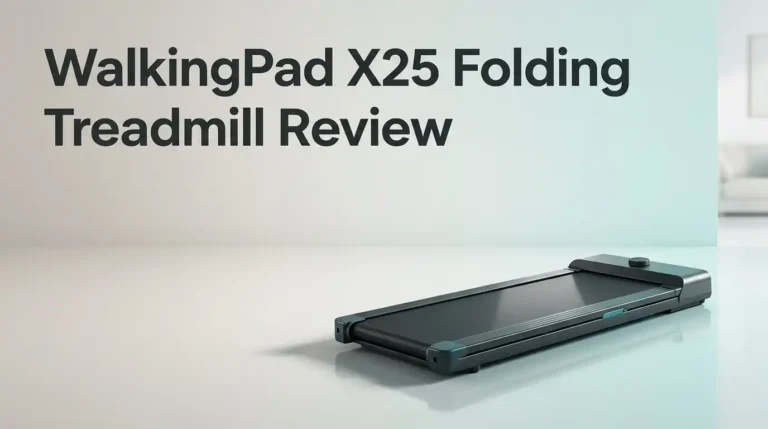
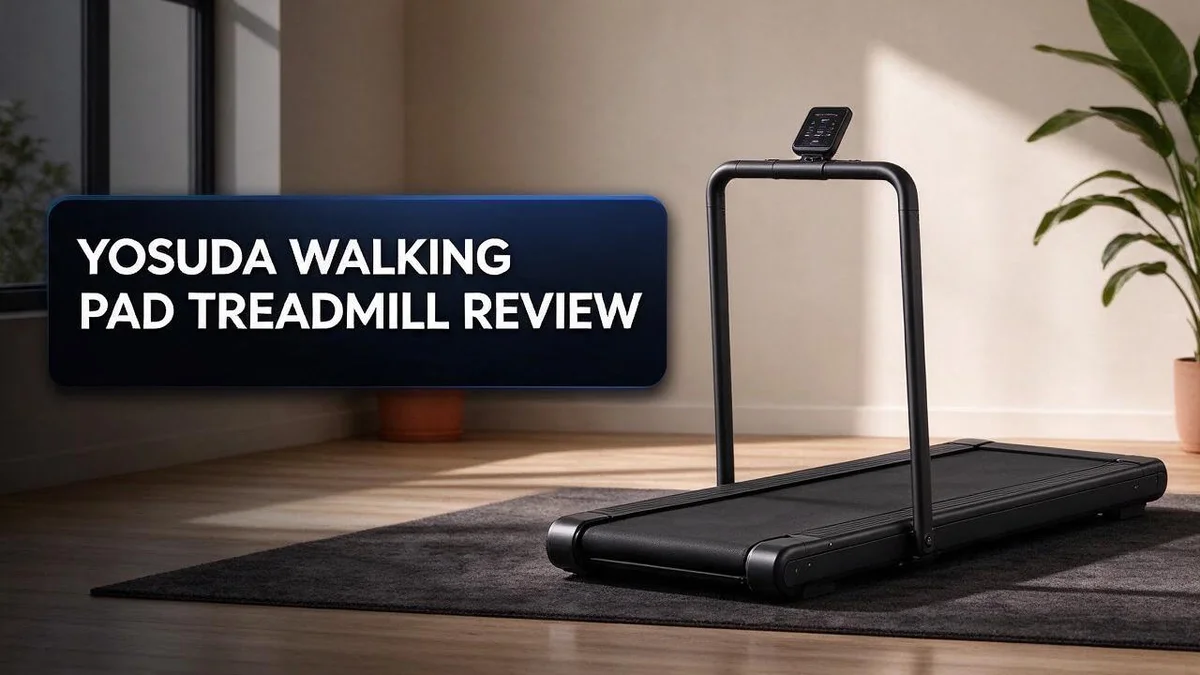
YOSUDA Walking Pad Treadmill Review 2026: Top Tier or Trash?
Are you looking for an easy way to walk more at home? A walking pad treadmill can be the answer. It fits small spaces and gives you a steady place to move every day.
The YOSUDA Walking Pad Treadmill is a smart choice for busy people. It folds up easily, so you can store it in a closet or corner. Its compact frame keeps your room open and tidy.
Many users say this model runs very quietly. One reviewer called it the quietest treadmill they have ever had. That matters if you walk early in the morning or during a work call.
A 3.0 HP brushless motor powers the machine, and it supports up to 350 lbs. You can also add a 15% incline by raising the front feet. This gives every session extra challenge.
In a Nutshell
- Adjustable incline: This treadmill reaches a 15% incline. You simply raise the front feet to add a hill climb feel to every walk, so your workout can grow more challenging over time.
- Space saving storage: The compact frame folds up neatly. You can slide it behind a sofa or into a closet when your session ends, which helps small rooms stay open and clear.
- Handrail for balance: A front handlebar gives you something to hold while you find your rhythm. This feature helps beginners feel steady during their first few sessions.
- Simple setup: Buyers on walkingpad.com often praise the sturdy build and easy assembly. Most people can get the machine running without needing extra tools or help.
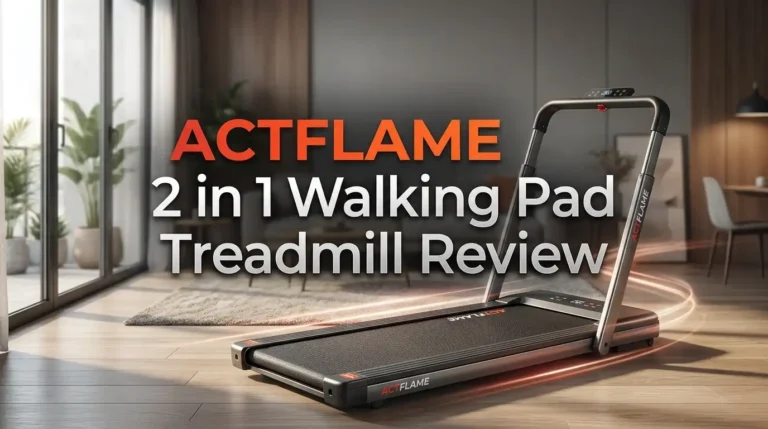
- Under desk alternative: A second model pairs a 2.5 HP motor with Bluetooth. It works as a treadmill or an under desk walker, so you can keep moving while you answer emails or take calls.
- Honest take: No clear drawbacks appear in the current research. However, the review pool is still small, so you should read fresh feedback from several sources before you decide.
Motor and Walking Performance

Last update on 2026-11-09 / Affiliate links / Images from Amazon Product Advertising API
Walking on a motor driven belt feels different from walking outside. The belt moves for you, so you can focus on posture and steady steps.
Steady motor power keeps the belt moving at a consistent pace. This helps you plan each session with predictable effort.
Start every session with a short warm up at a slow speed. Give your legs a few minutes to loosen before you increase the pace.
Beginners should start slowly. Choose the lowest speed for the first few minutes. Then raise the pace only when your legs feel comfortable.
Think of this machine as a tool for daily steps, not sprints. Walking pads suit slow and steady movement best. Running is not the goal here.
Keep your gaze forward and your shoulders relaxed. Looking down at the belt can strain your neck over time.
Stand on the side edges before you start the belt. Step onto the moving belt only after it reaches a steady speed.
Session length matters too. Many people enjoy sessions of ten to twenty minutes. Add a few extra minutes each week as your stamina grows.
Mornings and evenings both work well. Pick the time when your energy feels steady and you can walk without rushing.
Listen to your body during the first week. Mild leg tiredness is normal, but sharp pain is a signal to stop.
Taller walkers may want more room to stride. Some rivals, such as GOYOUTH, offer a longer belt for that reason.
Cool down with a slower pace for two or three minutes before you stop. This helps your heart rate return to normal.
Track your steps with a phone or watch. Seeing progress can keep your motivation high.
Consistent short walks build endurance over time. Regular practice matters more than long, tiring workouts.
Folding Design and Portability
Folding matters more than many people expect. A foldable treadmill fits into corners, closets, and small rooms. This gives you more space for daily life.
Measure your floor space first. Check the spot where the machine will run. Then measure the closet or wall where it will rest when folded.
Clear the area before you fold. Remove cups, shoes, and loose rugs from the belt. Keep kids and pets away during the process.
Always turn off the power and let the belt stop completely first. This keeps the folding step safe and simple.
Lift with your legs, not your back. A folded frame can still feel heavy. Ask a friend for help when you move it across the house.
Moving the unit works best on a flat surface. Avoid dragging it over carpet, tile edges, or thresholds. Rough surfaces can make the frame harder to handle.
Pick a storage spot near an outlet. Plugging in later means less cord clutter and fewer trips. Keep the cord loose and away from moving parts.
Portability also helps when your routine changes. Some people move the machine from a bedroom to a living room. This flexibility helps the habit last.
Set up in the same spot each time. Unfold the frame, check the surroundings, and start your session. A familiar routine makes walking easier to repeat.
Consider the fold direction in your layout. Leave space for the frame to tilt up without hitting walls or furniture. A few extra inches make the process much smoother.
Wall outlets matter for storage too. Plan a spot where the unit can stand upright. Make sure the floor underneath stays level and dry.
Think about noise in shared spaces. Folding and moving the unit can bump walls or doors. Place a soft mat under the frame when it rests in a closet.
Noise Level and Home Use
Noise matters more at home than many people expect. A machine in your living room gets used while others sleep, work, or chat nearby. Good news, this model stays calm during most sessions.
Every home still has its own sound. Hard floors can carry vibration to the room below. Thin walls may let footsteps reach a neighbor.
Place a thick rubber or foam mat under the unit. The mat absorbs vibration and keeps the frame steady. Choose a ground floor spot when possible, since upper levels often transmit more sound.
Consider your floor covering too. Carpet soaks up sound better than tile or laminate. A thin rug beside the unit adds comfort without blocking the belt.
Think about where the machine lives. A bedroom corner suits early walks, while a home office fits daytime sessions. Keep it away from a wall shared with a sleeping partner or a baby.
Pets may react to the sound at first. Let them watch the machine while it is off. Reward calm behavior with a treat so they feel safe nearby.
Use your own sound to your advantage. Put on a podcast, an audiobook, or calm music. Wired headphones keep the rhythm easy to follow without pulling you off the belt.
Plan your schedule around your household. Walk while others cook, read, or work quietly. Taking a phone call on the pad is also possible, so you can fit steps into a busy day.
Check the belt often. A loose belt can slap or squeak, which makes any machine seem louder. Tighten it when needed and wipe dust from the deck. Clean surfaces help the motor run smoothly.
Set the speed with care. Higher speeds raise the sound level and the strain on the motor. Slow and steady walking keeps the home calm and your routine enjoyable.
Watch the clock too. Short sessions before the household wakes rarely bother anyone. Late evening walks may need a gentler pace.
Top 3 Alternatives
UREVO SpaceWalk


Last update on 2026-11-11 / Affiliate links / Images from Amazon Product Advertising API
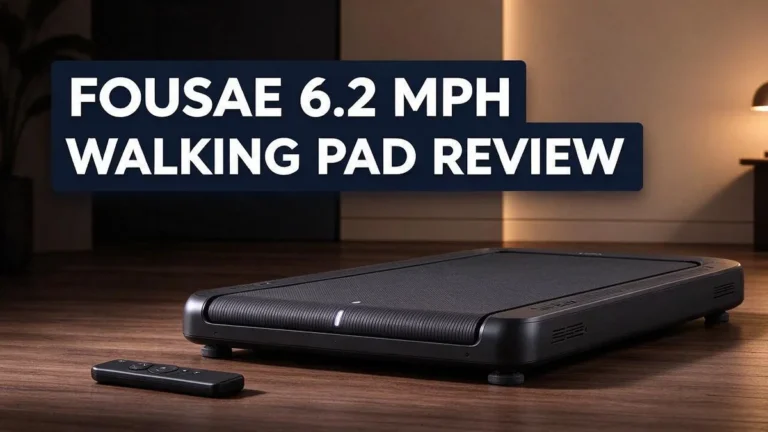
Looking for a compact option? The UREVO SpaceWalk fits well in small rooms. It folds up fast, so you can slide it under a bed or against a wall. Many people like its simple remote and steady motor. Its frame feels sturdy for everyday walks.
Some users also enjoy the built-in display. It shows your time, distance, and steps at a glance. This makes it easy to track progress each day.
WalkingPad C2

Last update on 2026-11-10 / Affiliate links / Images from Amazon Product Advertising API
The WalkingPad C2 focuses on easy storage and smooth walking. Its slim frame works well for apartments and home offices. You can walk while you answer emails or read a report.
Setup takes only a few minutes. Most people can start walking right after unboxing. Many users like the included remote for quick speed changes. The deck feels stable, so your steps feel natural.
Sperax Walking Pad

Last update on 2026-11-10 / Affiliate links / Images from Amazon Product Advertising API
The Sperax Walking Pad is a good pick for beginners. It offers a low profile that sits neatly under a desk. Its controls stay simple, so you can change speed without fuss. It suits people who want a no-frills machine.
Many walkers appreciate its quiet operation. It helps you stay active without disturbing family members or neighbors. Try it if you want a gentle start to your fitness goals.
Incline and Workout Range
The YOSUDA walking pad reaches an incline of 15 percent. That range lets you add challenge without raising the speed. A gentle slope can feel like a short hill walk right in your living room.
Raising the incline works through the front little feet. Each step on a higher angle asks your calves, hips, and glutes to work harder. This change also builds strength over time.
Use small steps up the scale instead of jumping to the top. Try 2 percent for a few minutes, then move to 4 percent. Give your body time to adjust before you climb higher.
Your workout range also depends on how you mix levels. Try five minutes flat, five minutes on a mild slope, then return to flat. This pattern keeps each session varied and easier on your joints.
Keep your posture upright on any slope. Hold the front handrail lightly for balance, not for support. Leaning hard on the rail can change your stride and reduce the work your legs do.
Top levels suit experienced walkers. Reaching 15 percent takes patience. Build up over several weeks, and stop if you feel sharp pain or strain.
Test the incline on a short walk first. Notice how your knees and hips feel afterward. Adjust the slope the next day based on that feedback.
The 350 lb capacity gives plenty of room for most adults. Check the rating before each use, especially if you share the machine. Staying within the limit keeps the frame stable on every incline setting.
Some shoppers compare this model with the two in one under desk version. That version uses a 2.5 HP motor and suits light desk walking.
The standard model carries the stronger 3.0 HP brushless motor. That power pairs well with incline walking.
Setup and Build Quality
Setup starts with a clear workspace. Lay out every part and tool before you begin. Small bolts roll easily, so a flat area helps.
Read the manual from start to finish first. Match each bolt and screw to its step. This simple habit prevents mistakes later.
Tighten all frame joints before the first walk. Use a firm hand, but never force any part. A stable base feels safer under your feet. Recheck those joints after your first week, since parts can settle with use.
Handrails add real stability. The front handlebar gives you something to grip while you find your pace. Hold it during the first few minutes.
Check the folding latch every time you fold the unit. A secure lock stops the frame from dropping during storage. Listen for a firm click.
Build quality earns praise from users. Reviews gathered from walkingpad.com often describe a solid feel for walking pads in general. That feedback suggests a sturdy frame, but your own test matters most.
Try a short walk at the lowest speed. Watch for rocking, rattling, or uneven pressure on the deck. Stop right away if something feels off.
The console needs a quick check. Press each button once before you start. Make sure the display responds and the stop function works before any real workout.
Wipe down the frame after setup. Dust can collect in folding joints over time. A soft cloth keeps the finish looking clean.
Your first session sets the tone. Stay near the handrails and walk slowly. Get comfortable with the feel before you increase speed.
Keep the manual nearby for future reference. Note the contact details from the packaging. Quick answers save time when a problem appears.
Good setup builds confidence over time. A well assembled unit stays steady through many sessions. Careful habits protect both your machine and your joints.
Pros and Cons
Pros
- Users describe it as one of the quietest units they have owned.
- The compact frame folds up to fit small rooms or closets.
- The standard model uses a 3.0 HP brushless motor for steady power.
- It suits people who want a simple, no frills daily walk.
- Setup and handling feel easy for most home users.
Cons
- Few YOSUDA specific reviews exist in the current research.
- Praise for sturdiness comes from other brand review sites.
- These pads are built for walking, not running.
- Shoppers should compare the two in one under desk model before they choose.
Who Should Buy It
Many people want to move more without leaving home. This pad makes that goal easier to reach.
Busy adults often struggle to fit gym visits into their week. A walking pad can sit in a spare corner and wait for a quick session.
People who work from home face long stretches of sitting. Short walks between tasks can break up that sitting time.
Apartment dwellers also gain a lot from this machine. Small rooms need equipment that tucks away easily, and this model does that.
Older adults who want gentle movement may find it useful. A steady walking pace keeps the body active without heavy strain.
New exercisers fit well here too. They can start slow and build up stamina over several weeks.
Movie and podcast fans often enjoy this setup most. Walking while you watch a show makes time pass quickly.
Some people should look elsewhere, though. Runners who want high speeds need a machine built for faster work.
Shoppers who plan heavy training sessions may feel limited. A walking pad serves light to moderate activity best.
Most home walkers will find a good match here. Think about your space, your goals, and your daily routine before you decide.
People who want to restart an exercise habit can use this pad as a gentle starting point.
Office workers with flexible schedules can walk before work, during lunch, or after dinner.
Parents who juggle busy days can squeeze in movement at home without a trip out.
Anyone who enjoys a calm routine will likely feel at ease. Slow, steady walking can clear the mind after a long day.
Friends who prefer social workouts can still enjoy it. Phone calls make the time pass pleasantly.
Keep your expectations realistic and your goals simple for the best results.
Final Verdict
The bottom line is simple. The YOSUDA walking pad suits anyone who wants to move more at home. It does not try to be a heavy training machine.
Think about your daily routine first. A walk before breakfast or a stroll during a work call can add up fast. Small sessions often beat long gym trips.
The 350 lb capacity covers most adults with room to spare. Check your own weight and your space before you order.
The 15 percent incline gives walks a little extra bite. Use it slowly at first. Your legs need time to adjust.
Choose the standard model if you want a clean walking surface. Pick the two in one version if you plan to work at a desk while you walk. Both options serve home walkers well.
Think about who you are. Are you a beginner, a parent, or a remote worker? Each group gets different benefits. Ask what time you can spare each day.
Keep expectations realistic. This machine supports steady movement. It does not replace strength work or running programs.
Consider your long term goals too. A walking pad works best as part of a bigger plan. Pair it with stretching, water breaks, and regular sleep for better results.
Ask yourself one simple question before you buy. Will this machine get used every week? If the answer is yes, it likely earns its place in your home.
Give it a fair trial. Use it for two weeks before you judge the results. Track your steps or minutes so you can see progress clearly.
Many people notice more energy within a few days. Sleep often improves too. Keep notes so you remember how each week felt. Enjoy the process.
Final thought: consistency matters more than gear. A quiet pad in the corner can change your daily habits. Start small, stay patient, and enjoy the steps.
Frequently Asked Questions
Does the YOSUDA walking pad have handrails?
Yes, it includes a front handlebar. Hold on when you start, stop, or change speed. This gives extra balance for new walkers. It also helps anyone who feels unsteady during a longer session at home.
How does it compare to other walking pads?
Many shoppers also look at the WalkingPad P1, which folds in half. GOYOUTH offers a longer belt and preset programs. DeerRun focuses on a low profile incline. Pick the feature that matches your daily routine most. Each option solves a slightly different problem, so think about what you need first.
How do I start walking safely?
Begin at a slow pace and keep a firm grip on the handlebar. Walk for short sessions at first, such as ten minutes. Add a few minutes each week as your comfort grows. Small steps build a habit that lasts.
What should I check before I buy?
Measure your floor space before you order. Confirm that a power outlet sits nearby. Think about where you will store the pad when it folds. A clear plan makes daily use much easier, so you are more likely to stick with it.

Hi, I’m Sarah Hill — the founder and voice behind Heavy Lift Vault. I’m passionate about fitness, strength training, and health technology. I spend my time researching, testing, and reviewing workout equipment and health devices so you don’t have to guess. My goal is to deliver honest, detailed, and trustworthy reviews that help you invest wisely in your fitness journey.