Sole F80 Treadmill Review: Don’t Buy Until You See This
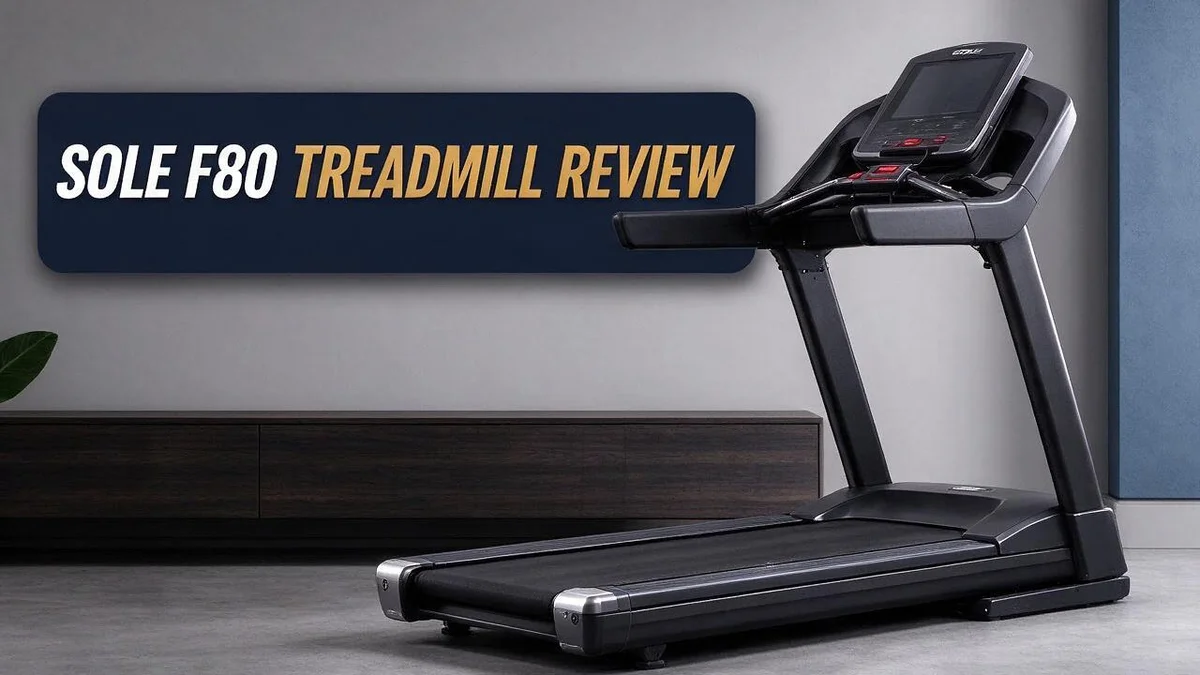
Looking for a treadmill that feels solid under your feet? The Sole F80 might be the one. It brings serious power to a home gym without taking over the room.
Many people want a machine that handles daily runs and steady walks. This model packs a 3.5 HP motor and tops out at 12 mph. You also get up to 15 incline levels to mix things up.
The deck gives you plenty of room to move. It measures 20 by 60 inch, so taller runners can stretch their stride. Speed and incline controls sit right on the armrests for easy access.
Extra features keep workouts fresh. A built in fan, speakers, six training programs, and Bluetooth tracking help you stay on course. Wireless heart rate monitoring adds another layer of insight.
Ready to see if this treadmill fits your routine? Let’s look at what makes it stand out and where it might fall short.
In a Nutshell
-
Powerful ride: The 3.5 HP motor reaches a top speed of 12 mph. Brisk walkers and runners both get plenty of power.
-
Real climbs: The treadmill offers up to 15 incline levels. You can mimic hills at home. The speed and incline controls sit on the armrests, so changes take only seconds.
-
Solid build: The heavy frame feels sturdy during fast intervals. The vendor also claims the motor runs quietly, which helps in shared homes or apartments.
-
Gentle landing: The vendor says the deck cuts impact by up to 40 percent compared with asphalt. Some users still find the deck firm on their knees, so test it first.
-
Smart tracking: Bluetooth workout tracking and wireless heart rate monitoring help you stay on target. You can see your progress without extra gadgets.
-
Simple setup: One owner assembled the unit alone in about an hour. Plan for the console to feel awkward to hold during assembly, but the process stays manageable for most people.
Motor, Speed and Incline

Last update on 2026-11-09 / Affiliate links / Images from Amazon Product Advertising API
Every good workout starts with smooth control. The Sole F80 places speed and incline buttons right on the armrests. You can change settings without reaching down or breaking your stride.
That easy access matters most during intervals. Quick bumps in speed or slope feel natural. You stay focused on your pace instead of fumbling with a console.
The motor also runs quietly, according to the vendor. That detail helps if you live in an apartment or train early before others wake up. Neighbors may notice less noise from your daily sessions.
Start slow when you test new settings. Begin with a gentle incline and a walking pace. Increase the slope in small steps so your calves and hips can adjust.
Speed changes need the same care. Jumping from a stroll to a sprint can throw off your balance. Build up gradually over several sessions.
Incline work adds challenge without extra speed. A steep walk raises your heart rate while keeping your stride gentle on the belt. Many people use this approach for hill training at home.
Some users describe the deck as firm. A firm surface can feel tough on knees during long runs. Pair steep inclines with shorter sessions if your joints feel sore.
The motor handles slow walks and fast jogs with steady power. Smooth speed ramps help protect the belt and motor over time.
Follow the manual for care steps. Stand on the side rails if you feel unsteady.
Who benefits most from these controls? Walkers who want gentle hills will enjoy the incline buttons. Runners who love speed play will appreciate quick armrest adjustments. Mixed training fits this machine well.
Try a simple weekly plan. Rotate flat runs, steep walks, and short bursts each week. Variety keeps your legs challenged and your motivation high. Small changes add up over time.
Cushioned Deck and Joint Comfort
Joint comfort matters on every stride. A cushioned deck helps your knees, hips, and ankles absorb force. The Sole F80 uses a Cushion Flex Whisper Deck to soften each step.
Why does cushioning matter? Each footfall sends force up through the body. Over many miles, that force adds up. Harder surfaces send more shock back into the body. A softer surface can make long sessions feel more comfortable.
Firm feel is a real compromise. Some users find the deck firm and hard on the knees. If you already feel joint pain, test the feel before you commit to long runs.
Your shoes change the experience too. Supportive running shoes add a second layer of cushion. Pair them with the deck for a gentler feel. Worn out shoes can make joints ache faster.
Start with short walks at first. Let your joints adapt over several days. Track how your knees and hips feel afterward. Mild soreness can fade, but sharp pain means you should stop.
Warm up before every session. Five minutes of easy walking loosens your muscles. Warm muscles share the load better with your joints. Then raise the speed slowly.
Your form matters as much as the surface. Land softly with a midfoot strike. Keep your posture tall and relaxed. Shorter strides reduce stress on the knees.
Listen to your body. Keep a simple log of how you feel each day. Notice patterns in soreness after hills or fast intervals. Adjust your sessions when the pattern shows stress.
Every body responds differently. Heavier runners or people with past injuries may need extra care. Talk with a doctor or physical therapist before starting a new routine. Good habits protect your joints over time.
Finish with a cool down walk. Gentle stretching for calves and hamstrings eases tightness. Your joints will thank you later.
Console, Programs and Connectivity
The console shapes how you feel during every session. Quick glances at your stats keep you focused and help you judge your pace.
The Sole F80 includes six training programs for different goals. Programs take the guesswork out of planning. You pick a plan and let the treadmill guide your pace.
Programs help you stay consistent. Many people quit because they lose direction. A set plan gives every walk or run a clear purpose.
Choose a program that matches your fitness level. A newer walker may prefer gentle changes.
An experienced runner might want more varied effort, so try a few plans before you settle on one.
Extras add comfort to longer workouts. The built-in fan helps you stay cool when effort rises. The speakers let you play music or follow audio cues.
Connectivity turns data into useful insight. Review your past sessions to spot trends in pace and effort. Over time, you can see how your fitness improves.
Check your phone settings before your first session so pairing goes smoothly.
Motivation grows when you see progress. A clear display makes each milestone easy to notice. Celebrate small wins, like finishing an extra five minutes.
Consistency beats intensity. Short sessions done often can build a lasting habit. The console and programs make that habit easier to keep.
Think about your training style first. Ask yourself which features will keep you motivated. Read the feature list carefully and compare it with your daily schedule. Then decide whether the console and programs fit your goals.
Top 3 Alternatives
If you want a different treadmill, these three options are worth a look. Each one offers its own mix of features. Read on to see which one fits your home workouts best.
NordicTrack T Series


Last update on 2026-11-08 / Affiliate links / Images from Amazon Product Advertising API
The NordicTrack T Series gives you a large running surface. You get plenty of room to stride without feeling cramped. Its screen shows guided programs, so you can follow along at home. It also helps you stay motivated with new routines each week. Many walkers and runners like its smooth, steady feel.
Horizon 7.0 AT

Last update on 2026-11-08 / Affiliate links / Images from Amazon Product Advertising API
The Horizon 7.0 AT focuses on comfort. Its cushioned deck can ease pressure on your joints during longer walks. The console shows your key stats in a clear layout, so you can track progress with less effort. It works well for people who want a simple setup.
Bowflex BXT226

Last update on 2026-11-09 / Affiliate links / Images from Amazon Product Advertising API
The Bowflex BXT226 suits people who like variety. Its incline setting adds challenge to walking and hiking sessions. You can also link the machine to apps for guided workouts and tracking. It suits both new walkers and people who train often.
Pick the model that matches your space and fitness goals. Compare the features side by side before you decide. A little research now helps you choose a treadmill you will enjoy for years.
Assembly and Setup
Setting up the Sole F80 starts with the right spot. Choose a flat floor near a wall outlet. Leave extra room at the back and sides so you can step on and off safely.
Clear the space before the box arrives. Measure the doorways and hallways first. The frame is large, so confirm it fits through every opening on the route.
Gather your tools early. Most setups need a few basic hand tools. Keep a towel and a clean table nearby for small parts. A phone light helps when you check each bolt.
Ask a friend for the heavy lifting. One owner finished the build alone in about an hour. Still, a second person makes lifting the frame much easier.
Handle the console with care. Some builders find the console hard to hold during assembly. Grip the upright tube low and lift with your legs.
Follow the manual step by step. Sort every bag and bolt into groups. Tighten the frame parts first, then add the console last.
Check the deck before the first run. Look for loose bolts and a centered belt. Pull the belt by hand to confirm it moves smoothly.
Attach the safety key before you power on. This clip stops the belt if you fall. Test the clip once before every workout.
Plug the unit into a grounded outlet. Avoid extension cords when possible. Run a short test with no one on the deck.
Level the frame on uneven floors. Adjust the leveling feet until the deck sits flat. A steady base keeps the belt centered during use.
Set the speed and incline to zero before you start. This habit keeps the first session calm. Keep the manual nearby for later questions.
Take your time with each step. A careful setup makes every workout feel safer and smoother. You can start your first walk once the checks feel complete.
Noise Levels and Home Use
Noise matters more than many buyers expect. A treadmill runs in a space where people sleep, work, and relax. Good sound control keeps home life calm and peaceful.
The Sole F80 carries a quiet motor claim from the vendor. Still, every home sounds different, so your room shapes what you hear. Test the unit in your actual space before you settle into a routine.
Floor choice changes how sound travels. Hard floors carry vibration into rooms below. A thick rubber mat or interlocking foam tiles absorb part of that motion. Extend the mat beyond the belt area so the whole footprint stays protected.
Wall placement helps too. Keep the treadmill away from shared walls when possible. Sound travels through studs and can reach a neighbor’s bedroom or a child’s room.
A corner of a basement or spare room often works well. Soft curtains and rugs also reduce echo.
Timing matters in shared homes. Plan sessions when others rest less. Early mornings may disturb light sleepers, while midday or late afternoon sessions often suit busy households. Talk with everyone before the first run so expectations stay clear.
Lower the speaker volume during early or late sessions. Built-in speakers can add to the room noise.
Safety and comfort matter as well. Keep a clear zone at both ends of the belt so you can step off with ease. Set a towel and water bottle on a nearby shelf rather than the deck rail.
Try a simple sound test before daily use. Walk at a slow pace, then increase speed. Listen from the next room, the hallway, and an upstairs area.
Note any rattles, squeaks, or thumps. Fix loose parts quickly so the noise does not grow over time.
Good planning keeps the peace at home. Quiet use makes daily workouts easier to keep. Your household will appreciate sessions that fit smoothly into the routine.
Pros and Cons
Pros
- The 3.5 HP motor handles steady, long runs with ease.
- The cushioned deck may ease joint strain compared with hard surfaces.
- The sturdy frame feels stable as speeds climb.
- Up to 15 incline levels add variety for hill training.
- Wireless heart rate monitoring helps you keep effort in the right zone.
Cons
- The firm deck feels hard on knees for some users.
- The 12 mph top speed may be more than casual walkers need.
- The heavy frame makes moving the unit later more difficult.
Who Should Buy It
Hill lovers and incline trainers will enjoy this model. With many incline levels, you can mimic trails and hills without leaving home. The Sole F80 suits people who want a serious home treadmill and plan to train often.
Data fans also find value here. If you like tracking progress, the Bluetooth connection keeps your numbers in one place. Workouts feel more purposeful when you can see the trends over time.
People who want a steady routine fit well with this machine. Six training programs give structure on days when motivation runs low. Built in options can take the guesswork out of planning each session.
Runners who need a steady ride may appreciate the frame. A heavy duty build tends to feel stable as speeds rise. Solid footing helps you focus on your stride instead of the machine.
Shoppers with joint concerns should test the deck first. The cushioned surface may help, but some users find it firm. If your knees feel sensitive, try the machine in person before you buy.
Anyone with limited space should plan carefully. The heavy frame is harder to move later. Pick a permanent spot where the unit can stay put.
Casual walkers may want a simpler option. The top speed and advanced features may feel like extra. If you only plan gentle walks, a basic model could serve you well.
Competitive shoppers can compare the Horizon 7.4 AT, Horizon 7.8 AT, Sole F85, Sole F63, NordicTrack 2450, and Bowflex T22. Each one targets a slightly different buyer. Make a short list based on your goals.
Ask yourself a few key questions. Do you plan to train most days? Do you want hill work or tracking tools? Honest answers make the choice much easier.
Think about your training style. Steady walkers, interval fans, and hill climbers all need different features. This treadmill offers many options in one frame, so it suits mixed goals well.
Final Verdict
The Sole F80 earns a strong place on your shortlist. It suits people who want a durable machine for regular training at home.
Setup is a good first test of the machine. One user built it alone in about an hour, although the console can feel awkward to hold during assembly. Plan for a helper if you can.
Think about your daily routine before you buy. Short walks and light jogs need far less than this model offers. A machine like this shines for steady sessions that build over weeks. Honest goals lead to better results. If you aim to finish a few sessions each week, a simpler plan may work well at first.
Vendor claims deserve a careful look. The maker says the motor runs quietly and the deck cuts impact by up to 40 percent compared with asphalt. Test both claims yourself before you trust them. Owner reviews can confirm or challenge these claims over time.
Compare it with similar models from the same brands. Machines like the Sole F85 and Horizon 7.8 AT may feel different under your stride. Try more than one if you can, since small differences in deck feel matter over time.
Plan for long term care. Tighten bolts every few months and keep the deck clean. Simple habits help the machine stay quiet, steady, and safe for years. Warranty terms and return options also deserve review before you finish your order.
Final thought: the Sole F80 suits committed home trainers. It delivers strong power, varied inclines, and useful tracking tools. Casual users or anyone seeking a gentle start may prefer a lighter option.
Take your time, test the deck, and choose the machine that fits your goals. A good match keeps you moving day after day.
Frequently Asked Questions
Is the Sole F80 good for beginners?
Yes, it can work well for new runners and walkers. The six training programs guide each session, so you do not need to plan every workout alone. Start with brisk walking and raise the speed slowly over time.
How hard is it to set up the Sole F80?
Most buyers find the setup manageable. One user put it together alone in about an hour. Hold the console steady while you attach it, since some people find it awkward to grip.
Does the Sole F80 fit in a small room?
It needs a wide footprint because the deck measures 60 inches long. Measure your space before you order. Leave open space behind the unit so you can step off safely.
Can I track my progress with the Sole F80?
Yes, the Bluetooth tracking logs your sessions automatically. Pair it with a wireless heart rate monitor for more detail. Over several weeks, these numbers show how your fitness improves.

Hi, I’m Sarah Hill — the founder and voice behind Heavy Lift Vault. I’m passionate about fitness, strength training, and health technology. I spend my time researching, testing, and reviewing workout equipment and health devices so you don’t have to guess. My goal is to deliver honest, detailed, and trustworthy reviews that help you invest wisely in your fitness journey.