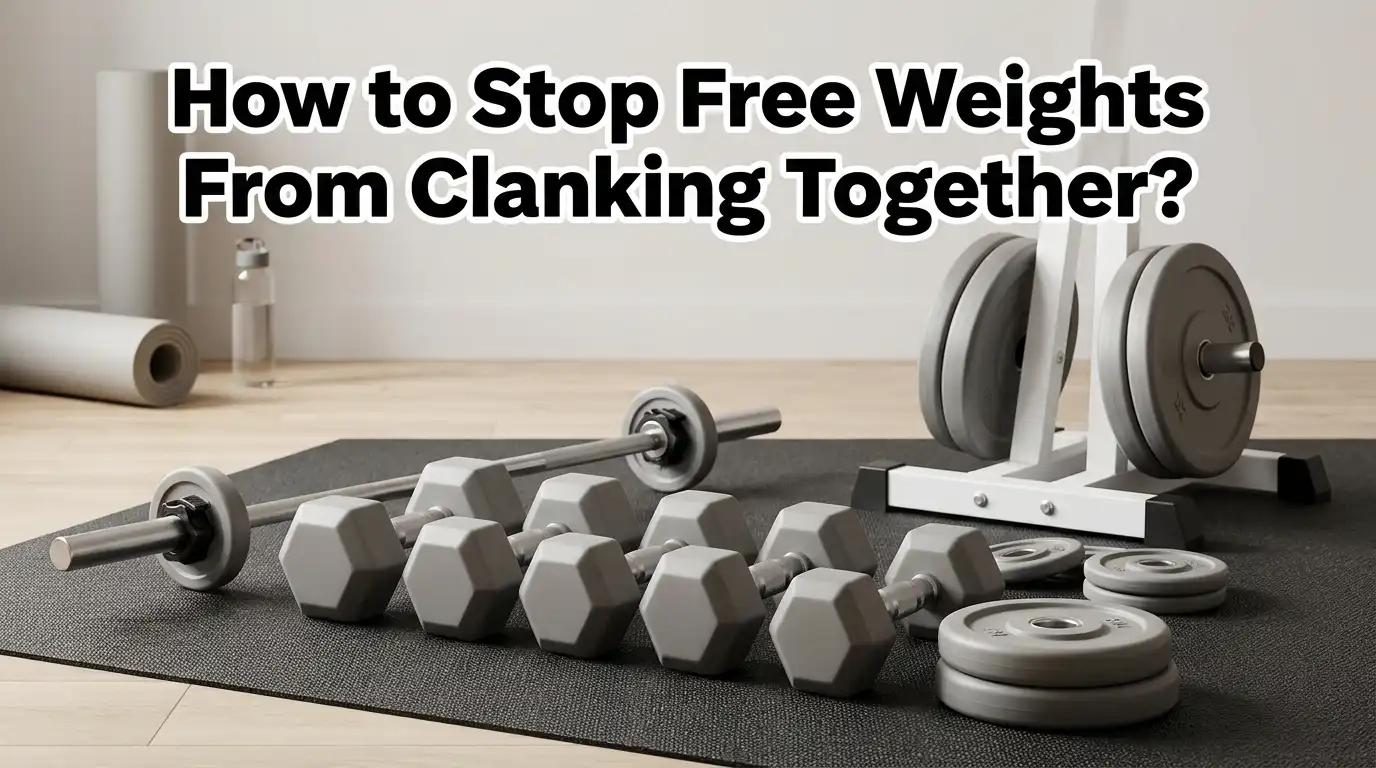
How to Stop Free Weights From Clanking Together?
Sharing a home with roommates, family, or downstairs neighbors makes lifting weights tricky. Every clank, drop, or rattle echoes through walls and floors.
You want a strong workout, but you also want to keep the peace. The good news is that you can train hard without turning your living room into a noisy construction zone.
This guide gives you simple, practical fixes for stopping that annoying metal on metal sound. You will learn how to muffle dumbbells, kettlebells, plates, and barbells using affordable materials and smart habits.
Key Takeaways
- Layered flooring works best. A combination of rubber mats, foam tiles, and a thick rug under your weights blocks more sound than any single layer. Stack materials to absorb both impact and vibration.
- Wrap or coat the metal. Bumper plates, rubber hex dumbbells, and silicone sleeves stop the sharp clanking sound at its source. Replacing or covering bare iron is the single biggest upgrade.
- Storage matters as much as use. A padded rack with foam dividers keeps weights from rolling, sliding, or knocking into each other when you set them down or grab them.
- Technique reduces noise instantly. Lowering weights with control instead of dropping them cuts noise drastically. Slow eccentrics protect your floors and your joints at the same time.
- Timing and communication help. Talk to housemates and neighbors. Set workout hours that match the household routine, and avoid lifting late at night or early morning.
- Small upgrades add up. Even cheap fixes like towels, yoga mats, and pool noodles make a noticeable difference when used together.
Why Free Weights Make So Much Noise in the First Place
Free weights make noise for two reasons. The first is impact, which happens when metal hits a hard surface like tile, wood, or concrete. The second is vibration, which travels through the floor and into walls, reaching neighbors below or beside you.
Bare iron plates and steel dumbbells ring loudly because metal transfers sound waves easily. Hard floors amplify this effect. A simple drop of a 20 pound dumbbell can sound like a hammer strike to the people around you.
Understanding the source helps you target the fix. You either stop the impact, absorb the vibration, or do both. Most working solutions combine these two principles. Once you see noise as a physics problem, the answers become obvious and easy to apply.
Lay Down Thick Rubber Flooring as Your First Defense
Rubber flooring is the foundation of a quiet home gym. Horse stall mats, gym tiles, and rolled rubber all do the job well. Aim for a thickness of at least three quarters of an inch. Thicker is better when you lift heavy.
Place the mats directly under your training area. Cover a space larger than your widest stance so dropped weights never miss the pad. Rubber absorbs impact, dampens vibration, and protects your floor from dents at the same time.
Pros: Long lasting, easy to clean, blocks both noise and floor damage, works with any weight type.
Cons: Heavy and hard to move, can have a strong smell at first, costs more upfront than foam, may not fit narrow apartments without trimming.
For shared living, rubber flooring is the single most effective upgrade you can make.
Add a Foam Underlayment for Extra Sound Absorption
Rubber alone handles impact, but foam handles vibration. Stack a foam underlayment beneath your rubber mats for double protection. Closed cell foam tiles or interlocking puzzle mats work well as the bottom layer.
The foam acts like a shock absorber. Vibrations get trapped before they reach the subfloor, which means your downstairs neighbor hears far less. This trick is popular in apartment gyms and yoga studios.
Pros: Cheap, lightweight, easy to install, adds insulation and warmth to cold floors, simple to remove if you move out.
Cons: Foam compresses over time, dents under heavy loads, not strong enough on its own for barbell work, edges can curl after months of use.
Use foam as a sandwich layer, not a standalone surface. Combined with rubber, it creates a quiet, springy platform.
Switch to Rubber Coated or Bumper Plates
If you use a barbell, bumper plates are a game changer. They are made of dense rubber instead of bare iron. When they touch each other or the floor, they thud instead of clang.
Rubber coated dumbbells and kettlebells follow the same idea. The rubber shell muffles the metal core and stops the sharp ringing sound. Hex shaped dumbbells also stop weights from rolling, which adds a quieter setup.
Pros: Massive noise reduction, protects floors and equipment, looks neat, safe for beginners learning form.
Cons: More expensive than iron, takes up slightly more space, lower quality rubber can smell or chip, heavier bumpers can be bulky to store.
If you can only invest in one upgrade, swapping bare iron for rubber coated weights gives you the biggest quiet win.
Use Silicone or Neoprene Sleeves on Bare Dumbbells
If buying new weights is not in your budget, cover the ones you already own. Silicone sleeves, neoprene wraps, and rubber end caps slip onto dumbbell heads and absorb impact noise.
You can also wrap weights with thick athletic tape, hockey tape, or self adhesive rubber sheeting. The goal is to stop metal from touching metal or the floor directly. Even a thin layer makes a noticeable difference.
Pros: Affordable, easy to apply, reversible, works with mixed weight sets, customizable to your equipment.
Cons: Sleeves can slip during heavy use, may look messy, wears out and needs replacing, does not fully silence drops from height.
This is a smart middle ground for renters or budget lifters. You get quieter sessions without replacing your gear.
Build or Buy a Padded Weight Rack
Storage is where most clanking happens. Weights bump together when you place them back, slide on shelves, or roll across the floor. A padded rack with foam dividers solves this instantly.
Line each shelf with rubber matting or thick felt. Add foam pool noodles between dumbbells to keep them apart. Vertical racks with individual slots prevent rolling and stacking noise.
Pros: Organized, quiet, protects your floor and walls, looks tidy in shared spaces, prevents tripping hazards.
Cons: Takes up floor space, costs more than stacking on the floor, heavy duty racks need assembly, custom padding takes time to set up.
A well padded rack is the unsung hero of a peaceful home gym. It quiets your weights even when you are not lifting.
Place a Lifting Platform Under Heavy Loads
A DIY lifting platform is a wooden and rubber structure that sits under your barbell area. It spreads the load across a wider area, which reduces vibration and protects the floor underneath.
Build one by stacking two layers of plywood topped with rubber mats. The plywood disperses the impact, while the rubber absorbs the sound. Many home lifters add a layer of horse stall mat in the middle for extra dampening.
Pros: Excellent for deadlifts and Olympic lifts, protects floors completely, professional feel, lasts for years.
Cons: Bulky, hard to move, requires basic tools to build, not ideal for tiny apartments, expensive if you buy a premade one.
If you lift heavy regularly, a platform is worth the effort. It turns a noisy lift into a quiet thud.
Lower Weights Slowly Instead of Dropping Them
Technique alone can cut noise in half. Controlled eccentrics mean lowering the weight on a count of two or three seconds instead of letting gravity take over. This applies to dumbbells, barbells, and kettlebells.
Setting weights down with intent keeps them from clanging. It also builds more muscle through time under tension, so you actually get better results. Drop the ego and lower the iron gently.
Pros: Free, instant results, improves strength gains, reduces injury risk, no equipment needed.
Cons: Requires discipline, slows down high intensity workouts, harder with very heavy weights, takes practice to make it a habit.
Pair this habit with good flooring and you will barely make a sound. Many gym goers underestimate how much noise comes from sloppy form.
Add Rugs, Towels, and Blankets as Quick Fixes
Sometimes you need a quiet workout right now. Old rugs, folded blankets, gym towels, and yoga mats all work as emergency sound dampeners. Layer them under your weights for a fast solution.
Place a thick towel on the rack shelf. Lay a folded blanket where you set down dumbbells. Soft materials absorb the high frequency clank that travels through walls.
Pros: Free, uses what you already own, easy to swap or wash, great for travel or temporary setups.
Cons: Not durable, slips around during use, wears out fast, looks messy, not enough for heavy barbell work.
This approach is perfect for renters, students, or anyone testing out home workouts before investing in real equipment.
Choose Adjustable Dumbbells With Quiet Mechanisms
Adjustable dumbbells reduce clutter and noise. Instead of a full rack rattling on a shelf, you have one or two units. Spin lock, dial, and pin systems all work, but some are quieter than others.
Look for models with rubber coated plates and tight locking mechanisms. Loose plates rattle during reps, which is just as annoying as plates clanking together. Test the lock before you commit.
Pros: Saves space, fewer pieces to store, easy to organize, often comes with a padded base.
Cons: Can be expensive, some models feel awkward in your hand, mechanisms wear out, dropped adjustable dumbbells can break.
For small apartments, adjustable dumbbells are one of the cleanest solutions. They cut down both noise and clutter at once.
Time Your Workouts Around the Household
The simplest fix costs nothing. Pick workout hours that match your shared living rhythm. Mornings after everyone wakes, afternoons when neighbors are at work, or early evenings before quiet hours all work well.
Avoid lifting late at night, early in the morning, or during shared meals. Talk to your roommates and neighbors about your schedule. Most people respect honesty more than perfect silence.
Pros: Free, builds goodwill, no equipment changes needed, prevents complaints before they start.
Cons: Limits flexibility, requires planning, may not fit your work schedule, depends on others being reasonable.
Communication is underrated. A quick chat with a neighbor often solves more problems than any rubber mat ever could.
Soundproof the Walls and Doors of Your Workout Area
If you have a dedicated workout corner, treat the space itself. Acoustic panels, heavy curtains, bookshelves filled with books, and weather stripping all reduce sound transfer.
Place panels on shared walls. Hang thick curtains over windows. Soft, dense materials trap sound waves before they leave the room. Even a packed bookshelf against a shared wall makes a real difference.
Pros: Improves overall room acoustics, reduces echo, helps with music and video calls too, looks decorative.
Cons: Costs add up, takes time to install, may not be allowed in rentals, does not stop floor vibration.
Soundproofing the room handles airborne noise while flooring handles impact noise. Together, they make your space nearly silent to outsiders.
Maintain Your Equipment to Prevent Rattles
Loose parts make noise. Tighten dumbbell collars, barbell sleeves, and rack bolts every few weeks. A simple inspection takes five minutes and saves hours of annoyance.
Check rubber coatings for cracks. Replace worn sleeves and end caps. Lubricate moving parts on adjustable dumbbells so the mechanisms click into place tightly without rattling.
Pros: Free or cheap, extends equipment life, prevents accidents, makes lifting feel smoother.
Cons: Requires regular attention, easy to forget, some repairs need replacement parts, takes basic tool skills.
Well maintained gear is quiet gear. A loose plate is louder than a heavy one set down properly. Keep everything tight and your sessions will sound twice as calm.
FAQs
How thick should my gym mat be to block weight noise?
Aim for at least three quarters of an inch of rubber, ideally one inch or more. For barbell work, stack rubber over foam to reach a total thickness of two inches. Thicker layers absorb more vibration and protect downstairs neighbors better.
Are bumper plates really quieter than iron plates?
Yes, much quieter. Bumper plates are made of dense rubber, so they thud instead of ring when they touch each other or the floor. They are the top choice for apartment lifters and shared homes.
Can I do heavy deadlifts in an apartment without bothering neighbors?
You can, but it takes effort. Use a lifting platform, bumper plates, thick rubber flooring, and controlled lowering. Lift during daytime hours and talk to neighbors. Heavy drops are still risky, so avoid them when possible.
What is the cheapest way to quiet down my dumbbells?
Wrap them in athletic tape, slip on silicone end caps, or place towels and yoga mats on your storage rack. Combined with controlled lowering, these cheap fixes solve most home noise problems.
Will carpet alone stop weight noise?
No. Carpet helps a little but does not absorb heavy impact or vibration. You need rubber matting on top of the carpet for real noise reduction. Carpet over concrete is especially loud without extra padding.
How do I store dumbbells so they do not clank when I grab them?
Use a vertical rack with individual slots, line shelves with rubber or felt, and place foam pool noodles between weights. Keep heavier dumbbells on lower shelves to prevent dropping noise during lifting and loading.

Hi, I’m Sarah Hill — the founder and voice behind Heavy Lift Vault. I’m passionate about fitness, strength training, and health technology. I spend my time researching, testing, and reviewing workout equipment and health devices so you don’t have to guess. My goal is to deliver honest, detailed, and trustworthy reviews that help you invest wisely in your fitness journey.