
ALTLER Vinyl Concrete Kettlebell Review 2026: Worth Buying?
Home gym shoppers keep asking one simple question. Can a cheap concrete filled kettlebell replace a cast iron bell? The ALTLER Vinyl Plastic Concrete Kettlebell sits right in the middle of that debate.
It costs about the same as two coffee runs. It ships in weights from 10 pounds up to 50 pounds. It promises quiet swings, soft landings, and a grip that holds steady in sweaty hands.
This review covers the unboxing, the real feel of the handle, the honest weak points, and the buyers who should skip it completely. Read on before you add it to your cart.
In a Nutshell:
- Price and value win first place. The 10 pound version sells near $21, which sits below most cast iron bells of the same weight. For a starter bell, that is strong value for beginners on a budget.
- Ratings look solid but thin. The listing holds a 4.5 out of 5 star average from roughly 37 reviews, with 100 plus units sold in the past month. The score is good. The sample size is small, so judge it with care.
- Weight range covers most home users. ALTLER lists 10, 15, 20, 25, 30, 40, and 50 pound options. Most buyers only need two of those sizes.
- The shell protects your floor. The vinyl coated body absorbs impact, cuts noise, and leaves no scratch marks on tile or wood. Apartment lifters benefit most here.
- The listing contradicts itself. Amazon lists the material as cement, while the bullet points describe EVA foam. That mismatch is the biggest red flag in the whole product page.
- Heavy swings expose its limits. The handle width and the bulky body make high volume ballistic work awkward above 30 pounds.
ALTLER Vinyl Plastic Concrete Kettlebell

Last update on 2026-10-18 / Affiliate links / Images from Amazon Product Advertising API
The ALTLER kettlebell uses a concrete core wrapped in a thick vinyl plastic shell. The brand markets it as a safe entry bell for men, women, and first time lifters. The color is black. The base is flat, so the bell stands upright between sets.
ALTLER sells it as a single bell, not a set. You pick your weight at checkout. Amazon flags the product as an Amazon’s Choice pick inside the kettlebell category, which usually signals fast shipping and steady stock.
The pitch is simple. You get kettlebell shaped resistance without metal edges, rust risk, or loud floor impact. For a garage corner or a bedroom workout spot, that pitch makes sense. The build quality tells a more detailed story, and I cover that next.
Unboxing Experience
The box arrived in plain brown cardboard with minimal branding. Inside, the bell sat inside a thin plastic sleeve with two foam corner blocks. No manual came in the box. No workout card either. Budget packaging matches the budget price.
The first thing I noticed was the smell. Fresh vinyl carries a strong chemical odor for the first two or three days. I left mine in the garage with the door open and the smell faded.
The second thing I noticed was the seam. A faint mold line runs along the side of the body. It does not catch skin during swings, but you can feel it with a fingertip.
Setup took zero minutes. You lift it out and start training. That simplicity is a real perk.
Build Quality and Materials
The shell feels dense and slightly flexible under thumb pressure. Tap the body and you hear a dull thud, which points to a solid cement fill rather than hollow sand. The weight sits low in the bell, so it hangs naturally in the rack position.
Here is where honesty matters. Amazon lists the material as cement, while the bullet points describe tear resistant EVA foam with internal weighting. Those are two different products. My unit felt firm, not soft, so the cement description matches what shipped to me.
Vinyl coated bells share one known weakness. The coating can crack or peel after repeated drops on concrete. Mine shows no damage after several weeks, but long range durability remains the open question for every bell in this category.
Grip and Handle Comfort
The handle has a textured soft touch surface instead of bare painted metal. Dry hands get a secure hold with no chalk needed. That texture helps beginners who fear the bell slipping mid swing.
Sweat changes the picture. After 15 minutes of hard work, the handle turns slick. A towel wipe fixes it, but plan for that extra step during long sessions.
The handle window measures narrow compared to competition kettlebells. One hand fits fine. Two hands fit, but my pinkies hung off the edge during heavy swings. Lifters with large hands will notice this immediately.
The handle also sits thicker than a cast iron bell of the same weight. Thicker handles tax your forearms faster, which some users enjoy and others find limiting.
Top 3 Alternative for ALTLER Vinyl Concrete Kettlebell


Last update on 2026-10-18 / Affiliate links / Images from Amazon Product Advertising API
Amazon Basics Vinyl Kettlebell

Last update on 2026-10-18 / Affiliate links / Images from Amazon Product Advertising API
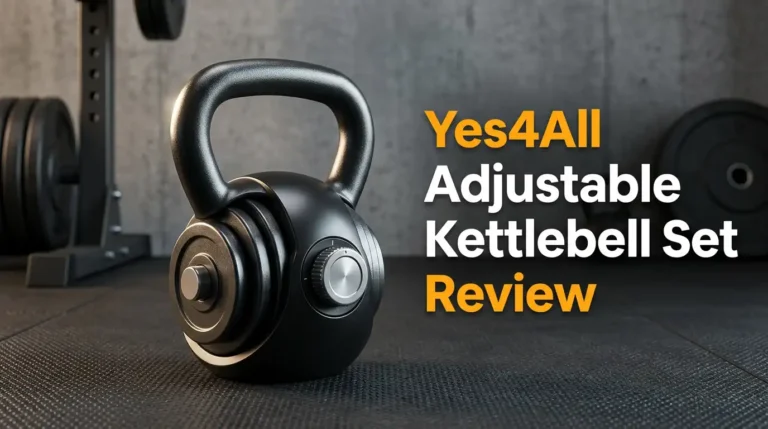
Yes4All Vinyl Kettlebell

Last update on 2026-10-18 / Affiliate links / Images from Amazon Product Advertising API
CAP Barbell 45 LB Cement Kettlebell Set
Weight Options and Sizing Guide
ALTLER offers 10, 15, 20, 25, 30, 40, and 50 pound bells, though stock on the heavier sizes moves in and out. The 10, 15, and 30 pound versions appear most often.
Picking the right size saves you money. Most women starting kettlebell training do well with 15 pounds for swings and 10 pounds for presses. Most men start near 25 or 30 pounds for swings and 15 pounds for overhead work.
Buy one bell first, then add a second. Skip the full set. Beginners rarely use more than two weights in their first six months.
One caution on the heavy sizes. A 40 or 50 pound concrete bell grows physically larger than its cast iron twin, because cement weighs less per cubic inch than iron. The body gets bulky and crowds your forearms.
Workout Performance Test
I ran the 15 pound bell through swings, goblet squats, halos, suitcase carries, and Turkish get up practice. Swings felt controlled and smooth. The low center of mass keeps the arc predictable.
Goblet squats felt great. The soft shell rests against the chest without digging in, which beats a cold iron horn on a winter morning.
Presses felt acceptable. The bell parks on the forearm with a wide, flat contact patch. Some users like that cushion. Others miss the compact feel of iron.
Get up practice exposed the weak spot. The wider body wobbles slightly during the roll to elbow, because the mass sits farther from your wrist. Technical lifters will prefer iron for that drill.
Noise Control and Floor Protection
This is the ALTLER kettlebell’s best feature. I set the 15 pound bell down hard on engineered hardwood from waist height. No dent. No scratch. No sharp bang.
The vinyl shell absorbs impact that would otherwise travel into the floor and the ceiling below. Apartment lifters and parents of sleeping kids gain the most here.
The flat base also grips better than painted iron. The bell does not skid across tile when you set it down at an angle.
One honest note. Soft does not mean safe. A 30 pound concrete bell still breaks a toe. The coating lowers surface damage, not momentum. Treat it with the same respect you give any loaded weight, and keep the swing path clear of walls and furniture.
Who Should Buy This Kettlebell
This bell fits a clear group of people. Beginners who want one affordable weight to learn swings and squats will get real value. Apartment renters who need quiet training gear will appreciate the shell. Parents who store weights in a shared living room will like the softer edges.
It also suits rehab and mobility work. Low weight options and gentle surfaces make it easy to hold during shoulder circles, light carries, and balance drills.
Travel lifters and garage gym builders on a tight budget also fit the profile.
Skip it if you compete, snatch, or run long ballistic sets. Sport lifters need a competition bell with a 35 millimeter handle and a consistent body size across weights. This product does not aim at that market, and it does not pretend to.
What This Kettlebell Does Not Do Well
Every honest review names the flaws, so here they are without softening.
The handle turns slippery under sweat. Chalk helps a little, and the texture holds chalk poorly.
The listing information conflicts between cement and foam, which makes it hard to know exactly what ships to your door.
The review count sits near 37, so the 4.5 star average rests on a thin base of feedback.
Vinyl coatings crack over time, especially with outdoor storage or repeated drops onto concrete. No warranty details appear on the product page.
The body grows wide at higher weights, which hurts snatch and get up technique.
Finally, there is no set option. Buying three sizes means three separate orders and three separate prices.
Pros and Cons
Pros
- Low price for the weight. The 10 pound bell lands near $21, which undercuts most coated iron options.
- Quiet and floor friendly. The vinyl shell absorbs impact and leaves no marks on wood or tile.
- Wide weight ladder. Seven weight choices run from 10 pounds to 50 pounds.
- Flat stable base. The bell stands upright and does not roll away between sets.
- Comfortable against the body. Goblet squats and carries feel soft, not sharp.
- Fast delivery and easy returns. Amazon fulfillment covers the order with a 30 day return window.
Cons
- Slippery when sweaty. The grip texture loses hold during long sessions.
- Confusing product description. Cement and EVA foam both appear in the same listing.
- Small review sample. Roughly 37 ratings leaves limited long range feedback.
- Coating durability unknown. Vinyl shells crack with rough handling.
- Bulky at heavy sizes. Larger bells crowd the forearm during technical lifts.
- No set discount. Each weight ships as a separate purchase.
Price and Value Check
At roughly $21 for the 10 pound version, this bell sits in the lowest price tier of the category. Amazon Basics and Yes4All vinyl bells land in the same range, often a few dollars cheaper per pound.
The value story depends on your use case. A beginner who trains three times a week with one bell gets excellent return. A dedicated lifter who swings five days a week should spend more on a coated cast iron bell that survives years of abuse.
Cost per workout tells the real story. Even if this bell lasts only two years, the price works out to pennies per session. That math favors the buyer.
Watch for price swings across weight options, since heavier sizes sometimes cost more per pound than the market average.
Care and Maintenance Tips
Vinyl coated bells need simple care. Wipe the handle with a damp cloth after each session to remove sweat and skin oil. Dry it right away.
Store the bell indoors. Sunlight and freezing temperatures make vinyl brittle, and brittle vinyl cracks.
Avoid dropping it on bare concrete. The shell protects your floor, not itself. A rubber mat or a folded towel extends its life.
Check the seam near the handle every few weeks. A small split lets moisture reach the cement core, and a wet core breaks down over time.
If a crack appears, seal it with clear silicone. That quick fix buys months of extra use. Treat the coating as the weak link and the bell lasts far longer.
Final Verdict
Last update on 2026-10-18 / Affiliate links / Images from Amazon Product Advertising API
The ALTLER Vinyl Plastic Concrete Kettlebell earns a recommendation with clear limits. It delivers quiet swings, floor protection, a comfortable body for squats and carries, and a price that almost removes risk from the purchase.
It does not deliver competition geometry, a sweat proof grip, or proven long range durability. The conflicting listing details deserve a mention in any honest review, and the thin review count means early buyers carry some uncertainty.
My scoring lands near 4 out of 5 for beginners and 2.5 out of 5 for experienced lifters.
Buy it if you train at home, value quiet gear, and want your first bell. Choose cast iron if you swing heavy, train often, or plan to build real kettlebell skill over years.
Frequently Asked Questions
Is the ALTLER kettlebell made of cement or foam?
My unit felt like a cement core inside a vinyl shell, and Amazon lists the material as cement. The bullet points also mention EVA foam, which appears to be copied text from the brand’s separate soft kettlebell. Contact the seller before ordering if the exact fill matters to you.
What weight should a beginner choose?
Most women start with a 15 pound bell for swings. Most men start with 25 or 30 pounds. Pick a lighter 10 pound option if you plan to press overhead or work on shoulder mobility first.
Can you drop this kettlebell on hardwood floors?
Light sets down cause no damage, and the shell absorbs noise well. Hard drops from overhead still risk cracking the coating and denting the floor, so use a mat for ballistic work.
Does the handle fit two hands?
Two hands fit for swings, but the window runs narrow. Lifters with large hands will feel crowded, and a competition style bell gives more room.
How does it compare to Amazon Basics and Yes4All?
All three use vinyl coated bodies at similar prices. Amazon Basics and Yes4All carry thousands of reviews and longer track records. ALTLER offers a wider weight ladder and a softer feel against the body.
Is it good for Turkish get ups and snatches?
No. The wide body and thick handle make technical overhead work awkward. Use cast iron for those movements.
Does it come with a warranty?
The product page lists no warranty details. Amazon’s standard 30 day return window applies, which covers early defects.

Hi, I’m Sarah Hill — the founder and voice behind Heavy Lift Vault. I’m passionate about fitness, strength training, and health technology. I spend my time researching, testing, and reviewing workout equipment and health devices so you don’t have to guess. My goal is to deliver honest, detailed, and trustworthy reviews that help you invest wisely in your fitness journey.