LONTEK 18% Incline Treadmill Review: Specs, Performance, and Verdict
Want a treadmill that brings the gym home? The LONTEK 18% Incline Treadmill might be the answer you need.
Walking uphill changes everything. A steep incline raises your heart rate and works your legs, glutes, and core. This model offers an incline of up to 18 percent, so you can climb hills without leaving your living room.
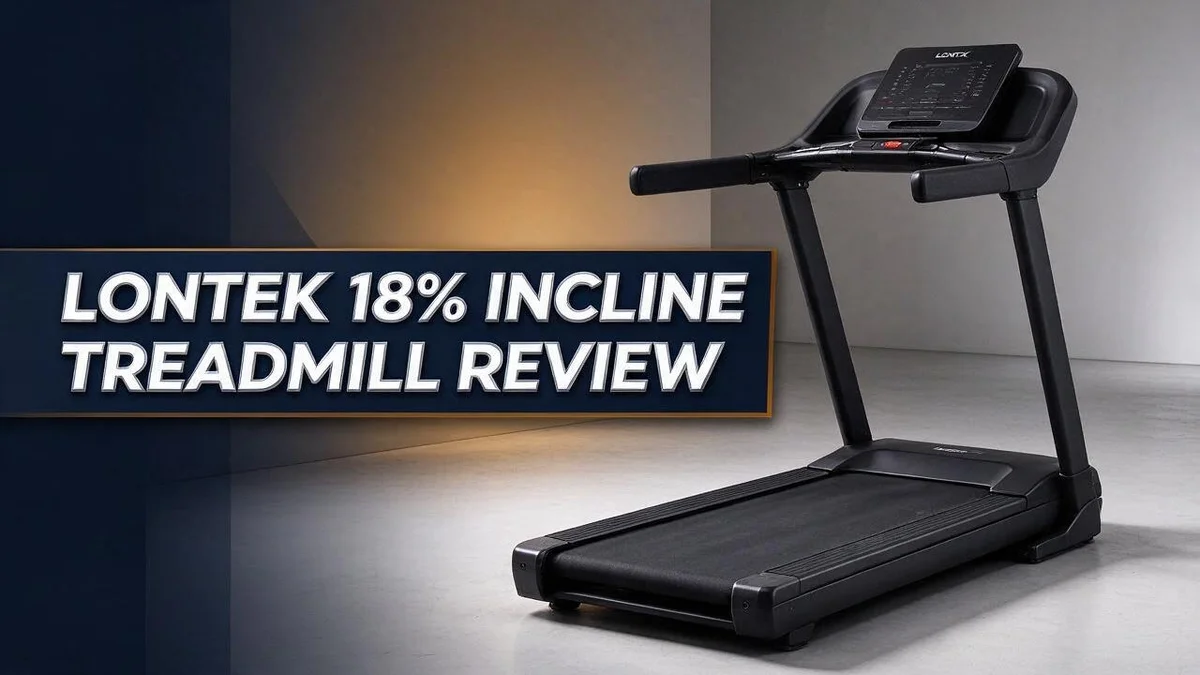
Many home walkers want more challenge. This treadmill features a 3.0 HP motor and a 37.5 by 15 inch running surface. Its belt has several layers that absorb shock, so each stride feels smoother on your joints.
Space matters too. The frame folds up neatly, which makes storage easy in small rooms. In this review, we look at how it performs, who it suits best, and whether it fits your fitness goals.
In a Nutshell
- Steep incline range: This treadmill climbs up to 18%, so you can raise your effort without increasing your speed. Walkers who want a stronger workout will feel the difference quickly.
- Joint friendly stride: The multilayer belt includes built in shock absorption. This feel may ease pressure on your knees and ankles during longer sessions.
- Quiet operation: The machine runs with low noise. You can train early in the morning or late at night without disturbing the people around you.
- Sturdy build: A heavy duty steel frame keeps the treadmill stable. The compact footprint also suits smaller rooms.
- Folding design: You can fold the unit when you need floor space. Storage becomes simple after each workout.
- Best fit: This model suits walkers and light joggers. It is not the right choice for high speed running or sprint training.
Build and Materials

Last update on 2026-10-29 / Affiliate links / Images from Amazon Product Advertising API
Materials shape how a treadmill feels and how long it lasts. Most listings describe the LONTEK frame as heavy duty steel. One source calls it premium alloy steel, so check the product sheet for the exact details.
The 3.0 HP motor sits inside the build and works hard on steep climbs. A strong motor keeps the belt moving at a steady pace when the incline rises. This matters most when you hike at higher incline levels.
The running surface measures 37.5 by 15 inches. That width gives most walkers room to move without feeling boxed in. It also helps keep your stride centered on the deck.
Belt quality affects how the surface wears over time. Layered belts usually spread wear across the deck more evenly. Belt tension matters too. A loose belt can slip under load and wear faster. A tight belt runs smoothly, but it should not feel stiff. Test the tension by walking slowly before you increase the speed.
Good build quality also depends on how you care for the machine. Wipe dust from the deck and keep the area around the motor clear. Store the unit in a dry room. These simple habits help the treadmill stay sturdy for years.
Frame joints deserve a quick look during setup. Tight bolts keep the deck steady. Loose parts can rattle over time, so a short check every few weeks helps.
Overall, the materials give this model a solid base for daily walks and light jogging. Read the spec sheet before you buy so you know exactly what you get.
Incline Performance and Workout Range
Incline is where this treadmill starts to feel different. A higher slope asks your legs, glutes, and calves to work harder with every step.
Speed and incline work together. Many people think they must run faster to get a harder workout. With this model, you can keep a relaxed pace and simply raise the slope.
Reviewers note that this treadmill suits walking and light jogging rather than fast running. That makes incline the main tool for building intensity. Walking uphill also offers a low impact way to work hard.
Try a simple interval plan. Walk for two minutes at a low setting, then climb to a steeper grade for one minute. Repeat this cycle for about twenty minutes to add variety to your routine.
Start low if you are new to slopes. Move up in small steps each week. This gives your body time to adjust and helps you avoid strain on your back and knees.
Check the maximum incline before you buy. Some listings show 15 percent while others show 18 percent. Confirm the exact range with the seller, so your workout plans fit the machine you receive.
Steep settings often raise your heart rate quickly. Keep an eye on your breathing during each session. You should still manage short sentences during most climbs.
Hill sessions also suit people who want variety without a crowded gym. You can climb at home whenever your schedule allows.
Overall, the incline range gives you plenty of room to grow. Start with easy walks, then build toward harder climbs over time.
Comfort and Joint Support
Comfort matters most on the days you walk longer. A roomy deck lets your feet settle into a natural rhythm. You do not need to shorten your steps to stay on the belt.
Start with short sessions. Ten to fifteen minutes at a gentle incline lets your joints adjust. Add time slowly as your legs get used to the slope. A gradual build is kinder to your body than a sudden jump.
Warm up for five minutes on a flat setting before you climb. Cold muscles feel stiff and tight on steep grades.
Footwear makes a real difference too. Supportive shoes with good cushioning absorb force from each step. Replace worn shoes before they lose their shape, since old soles can add stress to your feet and shins.
Posture matters as well. Keep your head up and your shoulders relaxed. Avoid gripping the handrails, because leaning on them shifts your weight and can strain your lower back.
Listen to your body during the first week. Mild muscle warmth is normal. Sharp pain in your knees, hips, or back is a signal to slow down or stop.
A short cool down walk at the end keeps your legs loose. It also eases stiffness the next morning. Take at least one easy rest day each week so your muscles can recover.
Talk to a doctor first if you have joint concerns. Anyone with past injuries, arthritis, or heart issues should get professional advice before starting. This step matters more than any feature on paper.
Top 3 Alternatives
If you want a different option than the LONTEK 18% Incline Treadmill, these three choices deserve a close look. Each one gives you a solid walk, jog, or run at home.
Sole F63 Treadmill

Last update on 2026-10-29 / Affiliate links / Images from Amazon Product Advertising API
The Sole F63 is a popular pick for home workouts. It has a sturdy frame and a wide running deck.
Many users like its quiet motor and smooth belt. It suits people who train often and want steady performance. Good cushioning also protects your joints during longer runs.
NordicTrack T Series


Last update on 2026-10-27 / Affiliate links / Images from Amazon Product Advertising API
The NordicTrack T Series brings a large touchscreen to your workout space. It also offers guided workouts and automatic incline changes.
Runners who enjoy virtual classes may love this model. Its screen makes every session feel fun. You can follow trainers from many fitness styles.
Horizon 7.0 AT

Last update on 2026-10-27 / Affiliate links / Images from Amazon Product Advertising API
The Horizon 7.0 AT is a simpler choice for everyday use. It has an easy-to-read console and a comfortable deck.
Beginners often find it easy to set up and use. It fits well in tight spaces. Many people use it for steady walks and light jogs.
Noise and Home Use
Noise is a big concern for many home users. Nobody wants to disturb family or neighbors during a morning walk.
Reviewers describe this model as quiet during operation. That matters most in apartments, condos, and shared houses.
Sound still comes from your feet, though. Heavy steps on an incline can travel through floors more than you expect.
A thick mat under the unit helps soften both motor hum and foot impact. Choose a mat that extends past the edges of the frame.
Placement also changes how the treadmill feels in the room. Set it near an exterior wall or in a corner away from bedrooms.
Background noise matters too. A television or fan can hide light footfalls, but a quiet house makes every step easier to hear.
Think about timing as well. Early mornings and late evenings may bother people who sleep nearby, so plan sessions around the household schedule.
Home use often means sharing space with pets and children. Keep the path clear and teach everyone to stay off the belt while it moves.
Running at a gentle pace also keeps sound low. Heavy stomping adds noise even on a quiet machine.
Storage stays simple too. A compact frame slides into a corner when visitors arrive or when the room needs a clear floor.
Test the noise before you commit. Ask a friend to listen while you walk at a steady pace. Notice how the sound carries through the walls.
Folding Design and Storage
Folding this treadmill takes only a few moments. Lift the deck, lock the frame, and the unit stands upright. This simple step helps you clear floor space fast.
Folded, the machine measures about 114 by 59.7 by 13.7 centimeters. That thin profile is the key. It slides behind a sofa or beside a wardrobe without much fuss.
Many people worry that a folding model will wobble. The steel frame gives it a solid, steady feel. Sturdy construction matters most when the unit folds up, because the weight shifts and the frame must hold.
Think about where the treadmill will rest when upright. Leave a little room behind it. This gap gives you space to step off safely and keeps the unit from touching the wall.
Storage also shapes your habits. A folded unit in a corner keeps the room tidy. Clear floors make it easy to say yes to a walk.
Here is a simple routine for folding and storing:
- Turn off the power and unplug the cord.
- Wipe the belt and deck free of dust.
- Lock the frame in the upright position.
- Roll the unit to its spot slowly.
Use a helper for heavier moves. Never lift the unit by the console. Keep children and pets away while the frame moves.
Check the folding joints every few months. A loose joint can cause the frame to drop. A quick check and a firm tighten keeps the unit safe for years. Good habits make folding feel quick and easy.
Speed Limits and Running Suitability
Many buyers want to know how fast they can go. This treadmill suits brisk walking and steady power walks. It is not the best pick for high speed running. One reviewer noted this limit.
Think of speed and incline as a team. A steep climb already asks a lot from your legs. Adding a fast pace can strain the motor and your body at the same time.
The 3.0 HP motor handles everyday walking with ease. It leaves less room for hard sprint sessions. Runners who train for races may find the pace range too limited.
Light jogging can still work well. Many people use a gentle jog for short bursts. Keep the pace easy and the incline moderate. This keeps the belt steady and your form smooth.
Your goals matter most here. If you want brisk walks, interval climbs, or relaxed cardio, this model fits nicely. If you chase speed or race times, consider a different machine.
Always check the manufacturer speed chart before you decide. Listings can vary, and the exact top speed may not appear in every source. Ask the seller for written specs if you need certainty.
Compare this model with other options before you commit. HomeFitnessCode is one name reviewers mention for comparison. Look at the speed range, motor, and belt length side by side.
Start slow on any new setting. Speed changes can catch you off guard, especially on an incline. Use the safety key and keep your hands ready on the handrails.
Ongoing Maintenance and Care
Regular care keeps your LONTEK treadmill running smoothly for years. Simple habits protect the belt, motor, and frame over time. Small tasks take very little time.
Check the belt tension and alignment every few weeks. A belt that drifts to one side can rub the edges. Look for adjustment bolts near the rear roller. Turn them slowly, then test with a short walk.
Wipe the console, handrails, and side rails with a soft, dry cloth. Dust and sweat can build up over time. Avoid spraying liquids near the motor cover.
Lubricate the deck only when the manual says so. Some belts need silicone lubricant, while others do not. Using the wrong product can slow the belt and cause wear.
Test the safety key before every workout. Clip it on, start the belt at a slow speed, and press the stop button. This quick check matters most on an incline.
Keep a simple maintenance log. Write down the dates for cleaning, belt checks, and bolt tightening. A log helps you spot patterns, such as a noise that keeps returning.
Watch for warning signs. Listen for grinding, squeaking, or a burning smell. Stop the treadmill and unplug it right away. Contact customer support before you use it again.
Store the manual in a safe place. It lists service contacts and tightening guidelines. Reading it once now saves time later.
Pros and Cons
Pros
- Incline climbs up to 18% for tougher hill-style walks.
- The multilayer belt absorbs shock for easier joints.
- The steel frame feels solid during every session.
- The running deck gives your stride plenty of room.
- Quiet operation makes early workouts easier at home.
Cons
- Listings disagree on the maximum incline, so confirm the exact figure first.
- Fast sprint sessions may call for a different machine.
- One review gives the model an overall score of 3.5.
- Some listings describe the frame material in different ways.
Who Should Buy It
This treadmill suits people who want to walk at home without leaving the house. It fits anyone who feels stuck on flat ground and wants a bit more challenge.
Walkers who want more calorie burn will find this model useful. The steep settings turn a simple stroll into a real workout. Your legs and glutes do more work on every step.
Busy adults often struggle to find time for the gym. This machine lets them train in their own space, even before work.
People with joint concerns may also like it. The stride feels gentle, so daily sessions feel less harsh on the knees.
Older adults who want gentle exercise may appreciate the calm pace it allows. Families with kids can use it too, as long as an adult supervises.
Small apartments need equipment that fits. Those who must fold the machine away after each session will appreciate its layout.
Beginners who plan to build up slowly can benefit too. They can start with easy walks and add incline over time.
Quiet operation matters for shared homes. Family members or neighbors may not mind a steady walk in the morning.
Who should skip it? People who dream of sprinting or fast running may need a different machine. Those who want commercial grade gear might also look elsewhere.
Overall, this treadmill fits everyday walkers who want variety. Choose it if you want a practical home option that grows with your fitness.
Final Verdict
Our final verdict is clear: this treadmill works well for daily walkers. It gives you a dependable way to build fitness without leaving home.
Think of it as a tool for consistency. Many people quit exercise because travel and schedules get in the way. Having a machine ready at any hour removes that barrier.
The folding design matters more than many buyers expect. You can fold it away in a corner. Then you can pull it out whenever you feel ready to move.
The incline range gives you variety without special equipment. You can switch from flat walks to hill climbs with a simple button press. Your workouts stay fresh, and boredom becomes less of a problem.
Before you buy, plan your space and your goals. Measure the spot where you want to place it, including room for the folded footprint. Also decide whether you want to walk, climb, or run.
This treadmill fits walkers best. Build your plan slowly over several weeks. Begin with short walks and add minutes as your stamina grows. Small steps lead to lasting results.
Think about the people in your home too. Partners, roommates, and older family members may all want a gentle option. This machine suits many different routines and fitness levels. Trust your own routine when you decide.
Finally, ask yourself one question: will this machine make walking easier to repeat? If the answer is yes, this treadmill deserves a spot in your home.
Frequently Asked Questions
Is the 18% incline figure correct?
Not every listing agrees. Some say the incline reaches 18%, while another says 15%. Check the exact figure on the seller page before you buy. This helps you avoid surprises once the treadmill arrives at your home.
How much space does it need?
The folded size is 114 cm by 59.7 cm by 13.7 cm. Measure your corner or wall first. Leave some extra room so you can fold and unfold the deck without bumping furniture.
How does it compare with HomeFitnessCode?
HomeFitnessCode is the only brand that sources name as a rival. The research does not include a side by side test. Compare the specs, like incline and deck size, to see which model fits your walking goals.
Is it different from a walking pad?
Sources also compare it with generic walking pads and other home treadmills, but they do not name those models. When you compare, look at the 37.5 inch by 15 inch running surface and the 3.0 HP motor. These details show how much space you get and how much power the belt has.
What does the 3.0 HP motor mean for walkers?
The motor gives the belt steady power for walking sessions. A higher rating often means the belt can handle more load over time. Choose a motor rating that matches your pace and how often you plan to walk.

Hi, I’m Sarah Hill — the founder and voice behind Heavy Lift Vault. I’m passionate about fitness, strength training, and health technology. I spend my time researching, testing, and reviewing workout equipment and health devices so you don’t have to guess. My goal is to deliver honest, detailed, and trustworthy reviews that help you invest wisely in your fitness journey.