How to Repair Tears in Faux Leather Weight Bench Upholstery Quickly?
A torn weight bench pad looks bad, feels rough on the skin, and can get worse fast. Sweat, body weight, and repeated pressure pull the cover every time you train. A tiny split can turn into a wide rip in just a few sessions.
The good news is that you can fix many faux leather bench tears at home with simple tools and a clear plan. You do not need expert upholstery skills for every repair.
In many cases, a fast patch, a flexible glue, or a surface filler can buy you a lot more life from the bench. This guide shows you the quickest repair paths, how to choose the right one, and how to stop the damage from coming back.
In a Nutshell
- Small tears need fast action. If you catch a split early, you can stop it from spreading with a simple repair tape or a backing patch. Speed matters here. The longer you wait, the more the cover stretches and the harder the repair becomes.
- Clean the surface before any repair. Sweat, skin oil, dust, and old cleaner residue weaken the bond. A soft cloth, mild soap, and a little rubbing alcohol can make a big difference. A clean surface gives glue and tape a fair chance to hold.
- Use the repair method that matches the damage. A tiny surface cut needs a different fix than an open tear with foam showing. One method does not fit every bench. Tape is fast. A backing patch and flexible glue last longer. Liquid filler helps with cracks and shallow cuts.
- Avoid hard glues and rushed drying. Some people grab super glue because it is nearby. That is a bad move for flexible upholstery. A hard bond can crack again under pressure. Flexible repair products work better because bench covers bend every day.
- Large tears and crushed foam need a bigger fix. If the tear is long, sits on a seam, or the foam is damaged, a quick patch may only be a short break in the problem. At that point, a full recover may save time and frustration.
- Good care keeps the repair alive. Wipe the bench after workouts, keep sharp objects away, and do not drag the bench on rough surfaces. Simple care habits protect both the patch and the rest of the cover.
First check how bad the tear is
Before you grab glue, look closely at the damage. A small surface cut is very different from a wide tear with foam showing. Press the area gently and see what moves. If the edges meet cleanly, the repair is easier. If the material has stretched, curled, or peeled, the job takes more support.
A good quick rule helps. Tiny cracks and short tears often respond well to tape, filler, or a backing patch. A longer rip, damage on a seam, or a missing section of cover usually needs more work. If the foam is crushed or broken, fix that first.
This step saves time. The wrong repair method fails early. It is better to spend two minutes checking the tear than redo the bench next week. If the damage is larger than a few inches or sits where you place most of your body weight, start thinking about a full recover instead of a fast patch.
Gather the right repair tools before you start
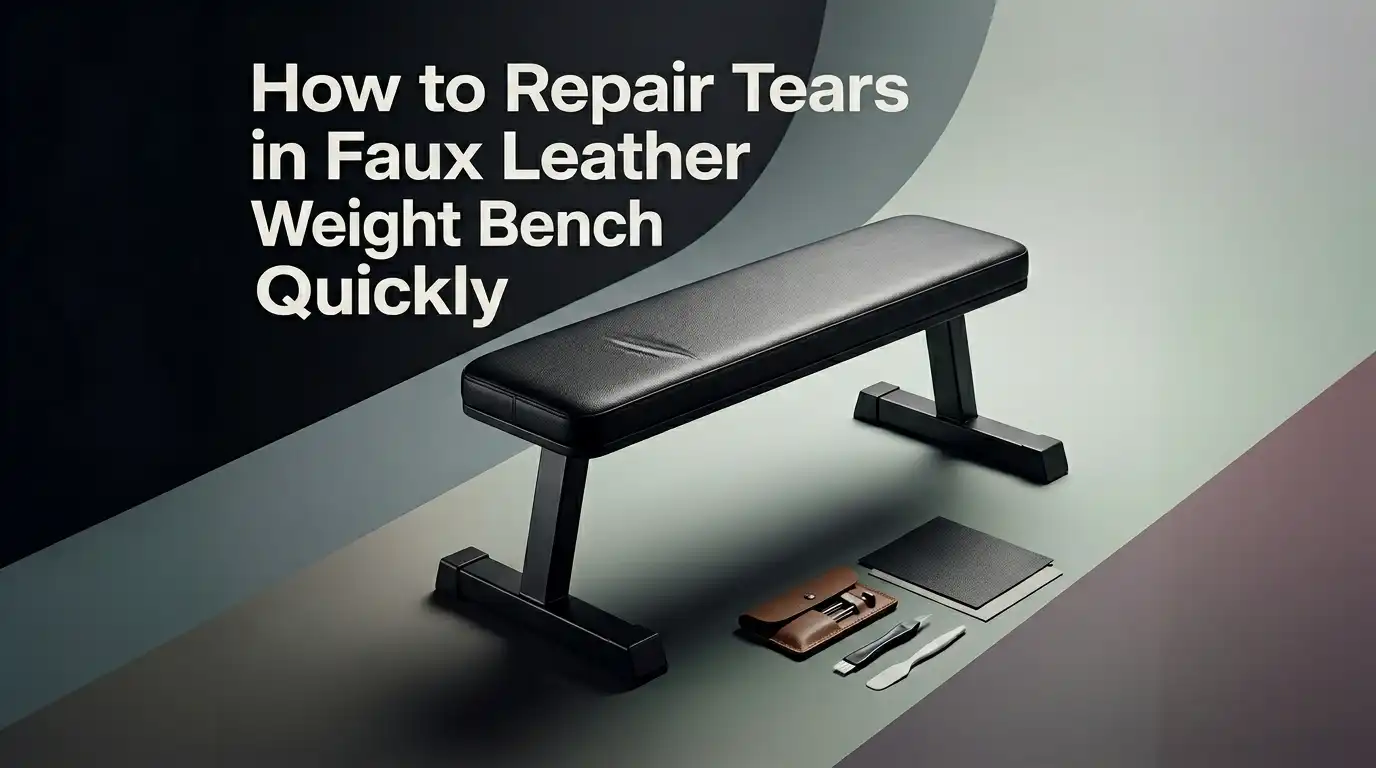
A quick repair feels easy when the tools are ready. You do not need a huge kit, but you do need the right basics. Keep a soft cloth, mild soap, rubbing alcohol, small scissors, a plastic spreader, a backing fabric patch, flexible vinyl or faux leather glue, and clear repair tape nearby. If you plan to fill shallow damage, add a liquid repair compound.
Good prep makes the repair look better. A small pair of tweezers can help place a patch under the tear. Masking tape can hold the edges together while glue sets. A hair dryer on low can help dry the cleaned area, but do not overheat the surface.
There is a simple truth here. Cheap tools can still work well if you use them with care. What matters most is using a flexible repair system instead of a hard one. Hard bonds do not move with the bench, and that can lead to another split right beside the repair.
Clean and prepare the bench surface the right way
Cleaning is the step people skip, and it is often the reason a repair fails. Weight bench pads collect sweat, dust, chalk, and body oils. Those things sit on the surface and stop tape, glue, or filler from bonding well. Start with a damp cloth and mild soapy water. Wipe the area gently. Then dry it fully.
After that, use a little rubbing alcohol on a clean cloth to remove leftover residue. Do not soak the upholstery. You only need a light wipe. Let the area dry again before you start the repair. Dry surface, better grip.
Avoid oily cleaners, polish sprays, strong solvents, and greasy conditioners. Those can make the faux leather slick or weak. If the bench has texture, clean slightly beyond the tear so your patch has room to sit on a clean area. A repair that starts on a dirty edge often lifts from that same edge first.
Use clear repair tape for the fastest short term fix
If you need a quick fix today, clear repair tape is the fastest method. Cut the tape so it extends well past the tear on every side. Round the corners with scissors. That helps reduce lifting at the edges. Press the tear closed with your fingers, then apply the tape slowly from one side to the other to avoid bubbles.
Rub the tape down firmly. Do not stretch it too much. A stretched patch can pull back later. If you can reach the back side of the bench pad, patch both sides for better support. That small extra step can help a lot.
Pros: This method is fast, simple, and useful for small clean tears. It is also a good emergency fix before a bigger repair. Cons: It is visible up close, it may peel on high friction spots, and it is not the best choice for long tears or crushed foam. Use it when speed matters most and looks matter less.
Use a backing patch and flexible glue for the best quick repair
For many people, this is the best balance of speed and strength. Cut a thin backing patch slightly larger than the tear. Slide it under the faux leather with tweezers so it sits flat. Then apply a thin layer of flexible glue to the patch and the tear edges. Press the edges together and hold them in place with masking tape while the glue sets.
This method works because the patch supports the weak area from underneath. It gives the tear something to hold on to. Wipe away extra glue at once so the repair stays neat. Let it dry as directed before you use the bench.
Pros: It lasts longer than tape, feels smoother, and works well on open tears. Cons: It takes more care, more drying time, and a steady hand. If you rush the glue or use too much, the surface can look lumpy. Still, for a fast home repair that holds up better under body weight, this method is often the winner.
Fill cracks and shallow cuts with liquid repair compound
Some damage is not a full tear. You may see a line of cracking, a shallow split, or a worn patch where the top layer has broken. In that case, a liquid repair compound can help smooth the surface and seal the weak spot. Clean the area first. Then use a small spreader to apply a thin coat over the damage.
Let the first coat dry, then add another thin coat if needed. Thin layers look better than one thick layer. If you pile it on, the surface can dry unevenly and feel stiff. Slow and thin is the smart path here. Once dry, wipe the area lightly and test the texture with your hand.
Pros: This method helps with shallow damage, improves comfort, and can slow more cracking. Cons: It is less useful for deep open tears, wide gaps, or damage with missing material. It also may not blend perfectly with the old surface. Use it to restore worn areas, not to replace missing structure.
Repair tears on seams and outer edges with extra support
Seam tears and edge splits are harder than center tears. These spots take more pulling force during workouts. If the tear sits on a seam or near the corner of the bench pad, you need extra support. Start with a backing patch if you can slide one inside. Then close the tear with flexible glue. After that, add a surface patch or tape that extends beyond the weak area.
This layered repair works better because the seam area keeps moving. One thin fix is often not enough here. If the seam has already opened wide, the stitching below may also be weak. In that case, a quick patch may only delay the next split.
Pros: Extra support can save a seam that is starting to fail. Cons: The repair may be more visible, and high pressure spots can still reopen later. Seam damage is a warning sign. If the bench is old and the cover feels dry or brittle all around, a full recover may be the smarter use of your time.
Fix exposed foam before you close the surface
If the tear is open enough to show foam, do not ignore that part. Foam absorbs sweat and dirt fast. It can also crumble if it has been exposed for a while. Check the foam with your fingers. If it feels solid and springs back, you can usually keep it. If it feels crushed, torn, or powdery, trim the bad section and replace it with a small piece of matching foam.
Use a foam safe adhesive if you need to secure the replacement piece. Keep the surface level. A smooth base helps the top repair stay smooth. After the foam is set, close the cover with a backing patch and flexible glue or a more complete patch method.
Pros: Fixing the foam first improves comfort and prevents a lumpy repair. Cons: It adds time, and matching foam height takes patience. Still, it is worth it. Closing torn upholstery over damaged foam often creates a weak repair that feels bad and fails early.
Know when a full bench recover is the smarter choice
Quick repairs are useful, but they are not magic. If the bench cover has many cracks, a long tear, missing pieces, or repeated splits in different places, patching each one can turn into wasted effort. The same is true if the foam is damaged over a large area or the wood base under the pad has problems.
A full recover means removing the old cover and replacing it with new upholstery material. This takes more work up front, but it gives a cleaner result. It also lets you inspect the foam and base at the same time. Sometimes the fastest long term fix is a full restart.
Pros: Better appearance, stronger finish, and a chance to fix hidden damage. Cons: More time, more tools, and more skill. If your bench is very cheap or badly worn in many places, compare the cost of a recover with the cost of replacement before you begin.
Let the repair cure and test it before heavy lifts
A repair is not finished when it looks dry. It is finished when the bond has had enough time to set. Many tapes and glues grip early but reach full strength later. Give the repair the full cure time listed on the material if possible. If you use the bench too soon, you can pull the repair apart before it has settled.
Start testing with gentle hand pressure. Then sit lightly on the bench. After that, try a short body weight test without lifting. Move in a slow and controlled way. Watch the edges of the repair. If they lift, stop and press them back or add support before you train hard again.
This step protects your work. Patience here saves a second repair later. A bench that looks fixed can still fail if the glue inside has not bonded well. Give the repair time, then return to full use in stages.
Stop future tears with simple bench care habits
Once the bench is fixed, keep it that way with simple care. Wipe the pad after each workout with a damp cloth and mild soap if needed. Dry it after cleaning. Sweat left on the surface can weaken the cover over time. Keep keys, belt buckles, and sharp metal edges away from the pad.
Try not to drag the bench across rough floors or lean plates against the upholstery. Reduce friction and you reduce damage. If your bench sits in a hot garage, cover it when not in use. Heat and sun can dry the surface and speed up cracking. A little protection goes a long way.
Check the repair every week for the first month. If you see a corner lifting or a new crack starting nearby, fix it at once. Small repairs stay small when you catch them early. That habit is the easiest way to get more life from faux leather upholstery.
FAQs
Can I use super glue on faux leather bench upholstery
It is better to avoid super glue for this job. Super glue dries hard, and bench upholstery needs to bend under pressure. A hard repair can crack again. A flexible vinyl or faux leather adhesive is a better fit.
What is the quickest repair for a small bench tear
A clear repair tape patch is usually the fastest choice. Clean the area, dry it well, and apply the tape beyond the tear on all sides. It is a fast short term fix, especially for a small clean split.
How do I know if the foam under the tear needs repair
Press the foam gently. If it springs back and feels even, it is likely fine. If it feels crushed, crumbly, or uneven, repair or replace that section before you close the cover. Good foam support helps the top repair last.
Can I still use the bench right after I patch it
You should wait until the repair has had time to cure. Some products feel secure early, but full bond strength often takes longer. Test the bench with light pressure first, then return to heavier use in stages.
When should I stop patching and replace the whole cover
If the bench has many cracks, a long tear, seam failure, missing material, or repeated damage in different spots, a full recover is usually the better move. One good rebuild can be easier than many weak patches.

Hi, I’m Sarah Hill — the founder and voice behind Heavy Lift Vault. I’m passionate about fitness, strength training, and health technology. I spend my time researching, testing, and reviewing workout equipment and health devices so you don’t have to guess. My goal is to deliver honest, detailed, and trustworthy reviews that help you invest wisely in your fitness journey.