
Why Is My Treadmill Pausing Workouts Randomly On Its Own?
Picture this. You start a treadmill workout with great energy. Then suddenly, the belt stops moving for no reason.
This random pausing can turn a good workout into a frustrating one. It breaks your rhythm and leaves you confused.
Many treadmill owners face this exact problem. The good news is that it usually points to a specific issue.
Most of the time, a loose or worn belt causes this glitch. Sometimes the motor overheats during longer sessions.
In a Nutshell
- Loose or worn belt is the top reason your treadmill stops mid workout. Check the belt tension often to catch this early.
- Overheating motors can trigger sudden pauses. This happens a lot during long or intense sessions when the motor works overtime.
- Poor lubrication between the belt and deck creates friction. This friction forces the motor to work harder, which can cause it to stop.
- Faulty speed sensors or reed switches sometimes send wrong signals to the control board. This makes your treadmill pause without warning.
- Simple fixes include adjusting belt tension, adding lubricant, and letting the motor cool down between workouts.
- Avoid these mistakes: skipping belt maintenance, running the machine without lubrication, and ignoring signs of overheating.
Understanding How Treadmill Pause Sensors and Motors Work
Your treadmill has several key parts that work together to keep your workout running smoothly. Understanding how these components function helps you spot problems faster.
The walking belt sits on top of the deck and moves continuously during your workout. It connects to the motor through a pulley system. When the belt loosens or stretches, it can slip on the deck. This slipping triggers the speed sensor to detect a sudden drop in belt speed. The control board then pauses your workout as a safety measure.
The motor powers the entire machine. It runs continuously during exercise and generates heat. Motors have built in thermal protection. When temperatures climb too high, the motor automatically shuts down or pauses to prevent damage. This is actually a safety feature, but it can feel like a random pause to you.
The speed sensor (often called a reed switch) monitors how fast the belt moves. It sends constant signals to the control board. If this sensor gets dirty, misaligned, or fails, it sends incorrect speed readings. The board then pauses the workout because it thinks something went wrong.
The belt and deck need proper lubrication to reduce friction. Without enough lubricant, friction builds up. High friction makes the motor work harder and heat up faster. It also causes the belt to slip more easily.
The control board receives all the signals from these components. It makes split second decisions about whether to keep the machine running or pause. When it detects unusual signals from the motor, sensor, or belt, it pauses as a protective response.
These parts depend on each other. A problem in one area often triggers pausing in another.
Top Causes of Random Treadmill Pausing
A loose or worn walking belt tops the list of pause culprits. When your belt loses tension, it slips on the deck instead of gripping properly. This slipping triggers the speed sensor to detect a sudden drop in belt speed, which confuses the control board into pausing your workout.
Belt stretching happens over time with regular use. The belt material naturally expands and loses its grip. You might notice the belt feels soft underfoot or drifts to one side during your run. Both signs point to tension problems that need adjustment or replacement.
Overheating is another major cause of random pausing. Your treadmill motor generates heat during sustained workouts. When the motor gets too hot, the control board activates a safety pause to protect the machine from damage. This happens most often during longer sessions or in warm rooms.
Poor lubrication between the belt and deck creates excessive friction. Without proper lubrication, the belt works harder to move, drawing more current from the motor. This extra strain can trigger the machine to pause as a safety measure. You might hear squeaking or feel resistance when manually rolling the belt.
Faulty speed sensors send incorrect signals to your control board. These sensors monitor belt speed constantly. When a sensor malfunctions, it might report false speed changes, causing the system to pause incorrectly. Testing the sensor requires checking its physical connections and responsiveness.
Finally, check your treadmill’s auto pause settings. Some machines have built in pause features that activate after inactivity. Review your user manual to confirm whether this setting is enabled. Disabling it might solve your random pausing issue if mechanical problems aren’t present.
Step-by-Step Diagnosis: Finding the Source of the Problem
Start by checking your treadmill’s belt tension. A loose belt is the most common reason for random pausing. Place your hand under the belt at the center point between the rollers. You should feel slight resistance when you lift upward. If the belt moves too freely, it needs adjustment.
Next, inspect the belt itself for visible wear. Look for fraying edges, cracks, or thin spots along the surface. A worn belt may slip during use, causing the speed sensor to read incorrect information. This confusion triggers the machine to pause as a safety response.
Check the belt alignment by running your treadmill at a slow speed with no one on it. Watch whether the belt drifts toward one side. Misalignment causes uneven friction and can activate pause mechanisms unexpectedly.
Examine the deck underneath the belt for adequate lubrication. The belt and deck need proper moisture to reduce friction. Dry surfaces create excessive heat and resistance. Your motor works harder and may overheat, triggering automatic pauses.
Feel the motor housing after a short workout. It should be warm but not hot to touch. An overheating motor is a clear sign of friction problems or mechanical strain.
Test your speed sensor by slowly rotating the belt by hand. Listen for clicking sounds near the sensor area. A faulty sensor sends wrong speed signals to your control board, which may pause the machine as a protective measure.
Finally, verify that auto pause settings are disabled in your treadmill’s menu. Some machines pause automatically after detecting inactivity. Check your user manual to confirm these settings match your preferences.
How to Check and Fix Belt Tension and Alignment Issues
Your treadmill’s belt and deck work together to keep your machine running smoothly. When either one has problems, random pausing often follows. Let’s walk through the practical steps to identify and fix these issues.
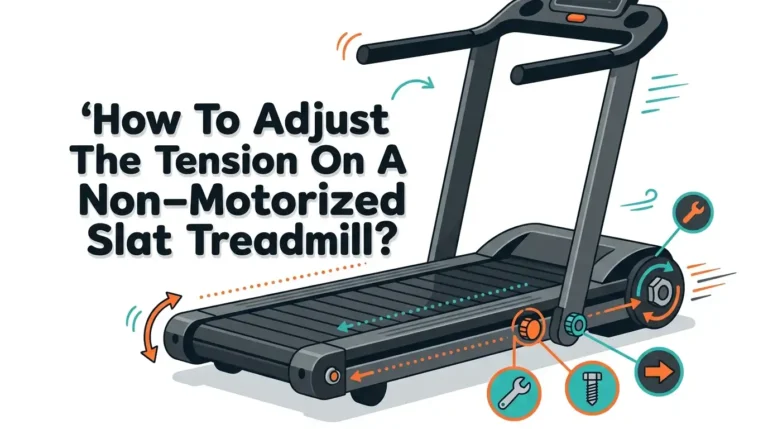
Start with belt tension first. Most treadmills have adjustment bolts at the rear. Locate these bolts on both sides of the machine. Loosen them slightly, then tighten them evenly. The belt should have a little give when you press down on it with your finger.
A belt that’s too loose will slip under your feet. This causes the speed sensor to read incorrect data, triggering a pause. A belt that’s too tight strains your motor and causes overheating pauses. You want the sweet spot in between.
Next, check belt alignment. Run your treadmill at a slow speed without stepping on it. Watch how the belt moves. It should stay centered on the deck. If it drifts left or right, the adjustment bolts need fine tuning. Tighten the bolt on the side where the belt is moving toward.
Inspect the deck for lubrication. Lift the belt slightly and look underneath. The deck should feel slightly slick, not dry. Friction between the belt and deck creates heat that triggers pauses. Proper lubrication reduces this friction significantly.
Feel the motor housing after a short workout. It should be warm but not hot to touch. If it’s too hot, poor belt tension or lack of lubrication is forcing your motor to work harder.
These three checks solve most belt and alignment issues. If pausing continues after adjustments, your belt may need replacement or your speed sensor might be faulty.
Preventing Overheating and Motor-Related Pausing
Your treadmill’s motor generates heat during every workout. When temperatures rise too high, the machine automatically pauses to protect itself from damage. This safety feature stops your exercise session, but it signals a real problem underneath.
Heat buildup happens faster than you think. Motors work hardest when friction increases between the belt and deck. Without proper lubrication, your motor must work overtime to keep the belt moving. This extra effort creates dangerous temperatures that trigger automatic shutdowns.
Check your motor’s temperature by feeling the housing after a 10 minute workout. It should feel warm, not hot to touch. If it’s too hot, stop exercising immediately and let it cool for at least 30 minutes.
Lubrication is your first defense against overheating. The space between your belt and deck needs regular attention. Apply lubricant according to your treadmill’s manual specifications. Most machines need lubrication every 3 to 6 months, depending on usage frequency.
Allow cooling time between workouts. Back to back sessions strain your motor without recovery periods. Space out intense exercise sessions by at least one hour.
Check if your treadmill has a thermal sensor that may be malfunctioning. A faulty sensor sometimes triggers pauses even when temperatures are normal. Listen for unusual sounds from the motor area. Grinding or squealing noises often accompany overheating issues.
Prevention beats repair every time. Regular belt maintenance reduces friction and keeps temperatures down. Clean the deck area regularly to remove dust and debris. Dust accumulation blocks airflow around the motor, trapping heat inside.
If pausing continues after lubrication and cooling periods, your motor may need professional service. Overheating problems rarely fix themselves and can cause permanent damage to internal components.
Maintenance Tips to Keep Your Treadmill Running Smoothly
Your treadmill stays healthy when you follow simple maintenance steps. These actions prevent random pausing and keep your machine reliable for years.
Clean your treadmill’s belt regularly. Dust and debris collect on the walking surface and underneath. Use a dry cloth to wipe the belt after each workout. This stops buildup that causes friction and overheating.
Lubricate the belt and deck properly. The space between these parts needs consistent attention. Most treadmills require lubrication every three to six months, depending on usage. Check your manual for the right type and amount. Proper lubrication reduces friction that triggers pausing episodes.
Tighten loose parts around your machine. Bolts and screws work loose from constant movement. Walk around your treadmill and check all visible fasteners. Tighten anything that feels loose or rattles. A secure frame prevents electrical connection problems that cause pausing.
Replace worn parts before they fail. The walking belt wears down over time from daily use. When it becomes thin or frayed, replacement prevents sudden stops during workouts. Speed sensors also wear out and need replacement after years of use.
Keep your treadmill in a cool space. Heat buildup happens faster in warm rooms. Position your machine away from direct sunlight and heat sources. Good air circulation around the motor helps it stay cool.
Unplug your treadmill when not in use. This simple step protects electrical components from power surges. It also lets the motor cool completely between sessions.
Follow your manufacturer’s maintenance schedule. Your treadmill’s manual contains specific guidance for your model. Regular maintenance following these instructions stops most pausing problems before they start.
Common Mistakes That Make Pausing Problems Worse
Many people make mistakes that actually cause their treadmill to pause more often. Understanding these errors helps you fix the real problem faster.
Ignoring belt maintenance is the biggest mistake. You skip checking tension and alignment, then wonder why pausing happens constantly. A loose belt slips under your feet. This triggers safety sensors that stop the machine to protect you. The treadmill isn’t broken. You simply need to adjust it properly.
Operating your treadmill without adequate lubrication causes serious friction problems. The belt and deck rub together intensely. This friction heats up your motor quickly. When the motor gets too hot, it shuts down automatically to prevent damage. Many people keep running through this, making the problem worse. Your machine needs a cool down period between workouts.
Continuing to use an overheating treadmill damages internal components. The thermal sensor detects dangerous temperatures and triggers a pause. This is actually your machine protecting itself. Ignoring this warning leads to expensive repairs later.
Assuming your problem is software related when it’s actually mechanical wastes your time. You spend hours checking settings and resetting the machine. Meanwhile, your belt needs tightening or your deck needs lubrication. The real issue stays unresolved.
Not cleaning your treadmill regularly allows dust and debris to accumulate underneath the belt. This buildup increases friction and motor strain. Your machine pauses because it’s working too hard.
The key is addressing mechanical issues first. Check your belt tension and alignment. Verify lubrication levels. Feel your motor temperature. These simple steps prevent most pausing problems. When you catch these issues early, your treadmill runs reliably for years.
When to Seek Professional Repair or Replacement Parts
Your treadmill tells you when it needs professional help. If you’ve tried basic maintenance and pausing still happens, it’s time to call an expert or consider replacement parts.
Signs you need professional service include persistent pausing that doesn’t stop after belt adjustment. If tightening the belt doesn’t work, the problem likely sits deeper inside your machine. A technician can diagnose issues you cannot see, like faulty speed sensors or damaged controller boards.
Overheating that continues after cooling breaks suggests motor problems. Motors sometimes fail internally, and only a professional can safely repair or replace them. Don’t keep running a machine that overheats repeatedly, as this causes more damage.
Worn belts that show cracks, fraying, or uneven wear need replacement. You can spot these issues by looking at the walking surface carefully. A damaged belt won’t improve with lubrication alone.
Electrical issues also require professional attention. If your treadmill pauses and shows error codes, the control board may be failing. These components need specialized tools and knowledge to fix safely.
Consider replacement parts when repair costs approach the machine’s value. Older treadmills sometimes cost more to fix than to replace. A technician can give you honest advice about whether repair or replacement makes sense for your situation.
Document when pausing happens and what you’ve already tried. Share this information with the repair person. This speeds up diagnosis and saves you money on service calls.
Professional service protects both you and your equipment. Attempting complex repairs yourself risks injury and voids warranties on many machines.
Final Thoughts
Random pausing feels frustrating, but it rarely happens without a reason. Your treadmill sends clear signals when something needs attention.
Most pausing problems trace back to three things. Belt tension, lubrication levels, and motor heat. These three factors work together to keep your machine running smoothly.
A loose belt slips and confuses the sensors. This triggers unexpected stops during your workout. Regular tension checks prevent this issue entirely.
Friction builds up when lubrication runs low. Your motor works harder and pulls more current than normal. This extra strain often causes sudden pauses mid-session.
Heat is another silent culprit. Motors overheat when airflow gets blocked or when workouts run too long without breaks. Giving your treadmill time to cool down helps prevent this pattern.
Speed sensors also play a role here. A faulty sensor sends wrong signals to the control board. The board then pauses your workout as a safety measure.
You don’t need to feel stuck with this problem. Simple checks solve most pausing issues without professional help. Belt tension, lubrication, and cooling time fix the majority of cases.
Pay attention to patterns in your treadmill’s behavior. Does pausing happen only during longer workouts? This points toward heat buildup as your main issue.
Does it happen right after you start moving? This suggests belt or sensor problems instead.
Small maintenance habits prevent big headaches down the road. Check your belt monthly. Keep lubrication fresh. Let your motor rest between sessions.
Your treadmill wants to work well for you. Consistent care keeps it running smoothly for years. Listen to what it tells you, and act early before small issues become expensive repairs.
Frequently Asked Questions
Why does my treadmill pause during intense workouts?
Your treadmill likely pauses when you’re working hard because the motor heats up. When temperature rises too much, a thermal sensor kicks in to protect internal parts. This safety feature stops the belt temporarily. The issue often happens after 20 to 30 minutes of continuous running.
Motor overheating also increases electrical current. High current draws trigger automatic shutdowns. Let your treadmill cool for 15 to 20 minutes before restarting.
Can a loose belt cause random pausing?
Yes, absolutely. A loose or worn belt is the most common culprit behind random pauses. When your belt slips, the speed sensor loses track of belt movement. The treadmill then pauses because it thinks something is wrong.
Check your belt tension regularly. A properly adjusted belt should have about half an inch of give when you press down on it. If tightening doesn’t fix the problem, your belt may be stretched and need replacement.
What role does lubrication play in pausing issues?
Insufficient lubrication creates friction between the belt and deck. Friction generates heat and increases motor strain. Your treadmill responds by pausing to prevent damage.
Apply silicone based lubricant between the belt and deck every three to six months. Check your manual for the right product type. Proper lubrication keeps everything running smoothly.
Should I keep using my treadmill if it keeps pausing?
Stop using it temporarily. Continuing to run on a malfunctioning treadmill can cause serious damage. Identify the cause first. Adjust the belt, check lubrication, and allow cooling time.
If pausing continues after these steps, the speed sensor or control board may need professional inspection.

Hi, I’m Sarah Hill — the founder and voice behind Heavy Lift Vault. I’m passionate about fitness, strength training, and health technology. I spend my time researching, testing, and reviewing workout equipment and health devices so you don’t have to guess. My goal is to deliver honest, detailed, and trustworthy reviews that help you invest wisely in your fitness journey.