Why Is My Foam Roller Losing Its Shape and How to Restore It?
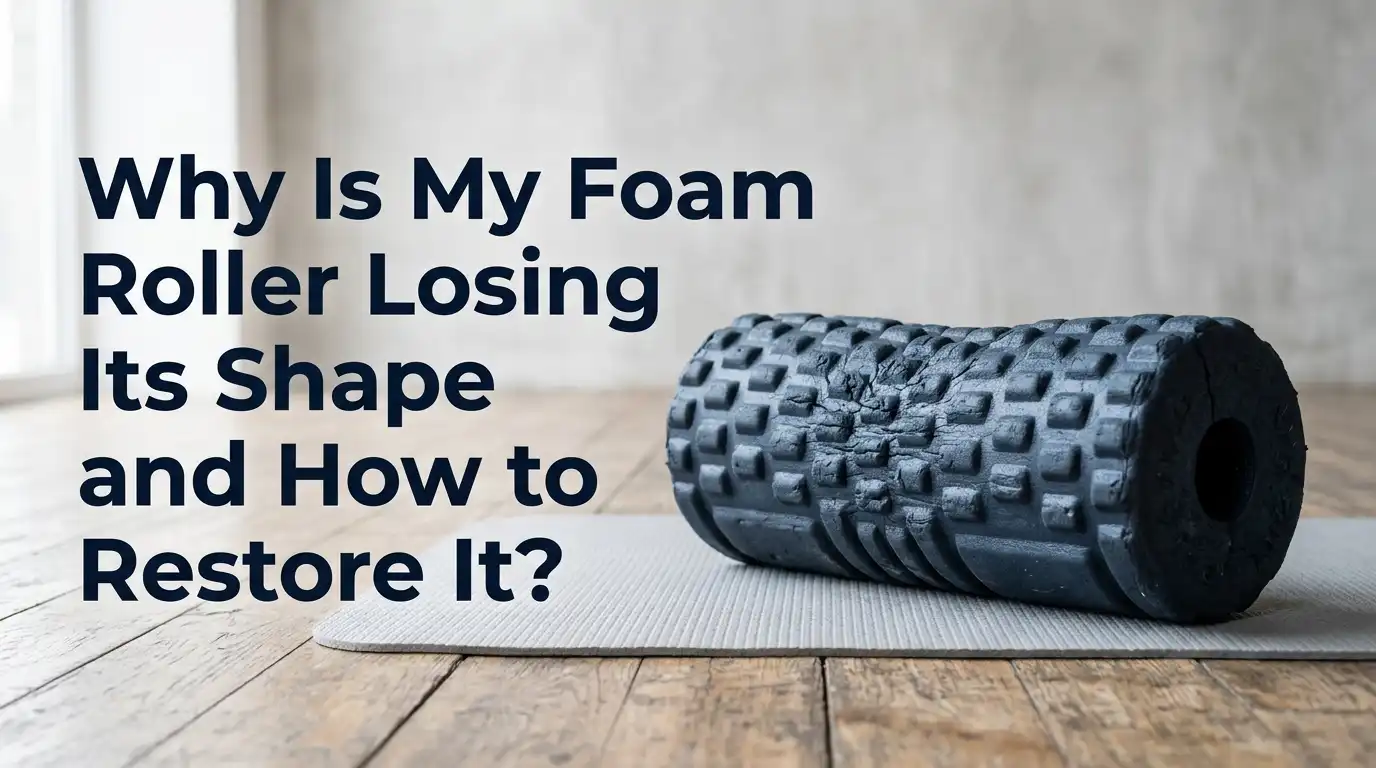
You bought a foam roller to ease sore muscles, but now it looks like a sad, squashed pancake. The smooth cylinder you once loved has dents, flat spots, and soft patches that feel mushy under your back.
You are not alone in this. A flattened foam roller loses its support, reduces its pressure, and stops giving you the muscle release you need. The good news is that you can often fix the problem, slow the damage, and pick a better roller next time.
This guide walks you through every reason your roller is sagging and shares simple steps to bring it back to life.
Key Takeaways
- Foam density matters most. Low density rollers (the soft white kind) break down faster than EPP, EVA, or molded foam rollers. If yours flattened within months, the material was likely too soft for your weight or use.
- Heat, sunlight, and moisture are the top three enemies of foam. Storing your roller in a hot car, damp garage, or sunny window will cave in the cylinder fast.
- You can often reshape a foam roller using warm water, gentle heat, or air pressure techniques. Most fixes take 24 to 48 hours and work best on minor flat spots, not deep cracks.
- Body weight plus rolling time add up. People over 200 pounds or anyone rolling daily for 10 plus minutes should pick a firm or extra firm roller, not a beginner foam.
- Replacement is sometimes smarter than repair. If the foam crumbles, splits, or no longer rebounds when pressed, a new roller is safer for your back and joints.
- Proper storage and rotation can double your roller’s lifespan. Store it upright, away from heat, and rotate the pressure points where you sit or stand on it.
What a Foam Roller Is Made Of
Foam rollers come in several materials, and each one behaves differently under pressure. The most common types are EPE (expanded polyethylene), EPP (expanded polypropylene), EVA (ethylene vinyl acetate), and molded polyurethane. EPE is the cheapest and softest. It feels light and squishy, which is why it flattens quickly.
EPP and EVA are denser, smoother, and bounce back better after each use. Molded rollers wrap a hard plastic core in foam, which keeps the shape almost forever.
Knowing your roller’s material helps you understand why it lost its shape. If your roller feels lighter than a water bottle, it is probably EPE and prone to early sagging.
Why Foam Rollers Lose Their Shape
Foam is a network of tiny air pockets held together by polymer walls. Every time you press down, those pockets squeeze flat. A good roller springs back. A worn roller stays squished. Repeated compression breaks the cell walls inside the foam, and once enough cells collapse, the surface dents permanently.
Other big causes include heat exposure, which softens the polymer, and UV light, which makes foam brittle. Moisture sneaks into the cells and weakens the structure.
Even sweat from your workouts can speed up the process. Heavy body weight, long rolling sessions, and aggressive pressure on one spot all add stress that the foam was never built to handle.
Signs Your Foam Roller Has Lost Its Shape
It helps to know the warning signs before the roller becomes useless. Visible flat spots on the cylinder are the first clue. Run your hand along the surface and feel for dents, soft zones, or areas that no longer bounce back.
Other red flags include cracks running down the length, crumbling foam dust on your floor, and a roller that wobbles when it rolls. If your back hits the ground through the roller, the foam has compressed too much.
Color changes, like yellowing on a white roller, also suggest the material has aged. Catching these signs early gives you a better chance of fixing the damage before it spreads.
How Your Body Weight Affects Roller Lifespan
Body weight plays a huge role in how fast a roller flattens. A 130 pound user can stretch a soft roller for years. A 220 pound user can flatten the same roller in a few weeks. Foam compresses based on force per square inch, so heavier users squeeze more cells with every roll.
Tall users also concentrate weight on smaller contact points, which speeds wear. If you weigh over 180 pounds, soft EPE rollers are not for you. Pick a firm EPP or molded roller instead. Choosing the right density for your body size is the single biggest factor in keeping your roller round and useful.
Pros of using a firm roller: longer life, better deep tissue pressure, stays round under heavy load.
Cons: can feel painful for beginners, costs more upfront, less forgiving on sensitive areas.
How to Restore a Slightly Flattened Foam Roller
If your roller has minor flat spots, you can sometimes bring back its shape with simple home methods. Start with the warm water and air recovery technique. Fill a bathtub with warm (not hot) water and submerge the roller for 10 minutes. Press it gently on all sides to push water through the cells.
Remove it, pat off the surface water, and place the roller in a warm, dry room. As it dries, the foam cells re expand and pull back toward their original shape. Allow 24 to 48 hours for full drying. This trick works best on EPE and EVA rollers with small dents, not on rollers with deep cracks or crumbling foam.
Pros: free, easy, no special tools needed.
Cons: only fixes mild flattening, takes a full day or more, can damage rollers with plastic cores if water seeps inside.
The Heat Method for Reshaping Foam
Gentle heat helps foam relax and reset. Place your roller in a warm room (around 75 to 80 degrees Fahrenheit) for several hours. You can also use a hair dryer on low heat, holding it 12 inches away and moving it constantly along the surface. Never use high heat, an oven, or a heat gun. Foam melts fast and releases harmful fumes.
While the foam warms, gently press the flat spots outward with your hands. The warmth softens the polymer just enough to let the cells expand. Let the roller cool in a round position. This method works best for EVA and molded rollers that have stiffened from cold storage. Always test a small area first.
Pros: quick results, works on stiff foam, no water mess.
Cons: easy to overheat and damage the roller, not safe for textured or vibrating rollers, risky on cheap EPE foam.
Using Rotation and Rest to Prevent Further Damage
One of the smartest fixes is also the simplest. Rotate your roller often during use. If you always roll your lower back on the same spot, that section flattens first. Mark a small dot on one end and rotate the roller a quarter turn each session.
Give the foam time to rest between uses. Foam cells need hours to fully rebound after heavy compression. Daily users should consider two rollers and alternate days. Storing the roller standing on its end, not lying flat, also helps it hold its shape. Even pressure across the whole surface keeps the cylinder round and extends its life.
Pros: free, prevents future damage, easy to remember.
Cons: does not fix existing flat spots, requires habit changes, may need more than one roller.
Storage Tips That Save Your Roller
Where you keep your roller matters as much as how you use it. Avoid hot cars, damp basements, and direct sunlight. Heat softens foam. Sunlight breaks down the polymer. Moisture rots the cells. All three shorten the lifespan dramatically.
The best storage spot is a cool, dry closet or shelf. Keep the roller off concrete floors, which pull moisture. Stand it upright in a corner or hang it from a wall hook through the hollow core.
Never stack heavy items on top of it. Cover textured rollers with a light cloth to keep dust out of the grooves. Good storage habits can easily double how long your roller stays round and firm.
When to Repair vs Replace Your Foam Roller
Not every roller is worth saving. Deep cracks, missing chunks, exposed plastic cores, and crumbling foam all mean the roller is done. Using a broken roller can hurt your back, pinch your skin, or fail under your weight.
If the roller still feels firm in most areas and only has small dents, a repair is worth trying. A good rule is the 70 percent test. Press the roller in five spots.
If at least 70 percent of the surface still bounces back firmly, you can fix it. If not, replace it. Quality firm rollers last 2 to 5 years with proper care, so spending a little more upfront often saves money in the long run.
Pros of replacing: safer, fresh performance, peace of mind.
Cons: costs money, creates waste, you lose a familiar tool you know well.
How to Clean Your Foam Roller the Right Way
Dirt, sweat, and skin oils break down foam over time. Cleaning your roller regularly keeps the surface healthy and the foam strong. Wipe it down after every session with a soft cloth and a mix of warm water and mild soap. Avoid bleach, alcohol sprays, or harsh cleaners. These dry out the foam and cause cracks.
For a deeper clean, use a damp cloth with a drop of dish soap. Dry the roller completely before storing it. Moisture trapped inside the foam is one of the top reasons rollers lose shape and grow mildew. Once a month, give it a full wipe down and inspection for cracks or soft spots.
Pros: extends roller life, keeps surface hygienic, prevents odor.
Cons: takes a few minutes after each use, wrong cleaners can damage foam, must dry fully before storage.
Choosing a Longer Lasting Foam Roller Next Time
If your current roller is beyond saving, pick the right replacement. Density is the number one factor. Look for EPP foam, molded polyurethane, or a hollow plastic core wrapped in EVA. These last far longer than soft white EPE rollers.
Size also matters. A 36 inch roller spreads your weight across more surface area, so it flattens slower than a 12 inch one. Smooth rollers last longer than textured rollers because grooves create weak points.
Pick a color coded firmness that matches your level, with firm or extra firm being best for daily users. Spending more upfront usually means fewer replacements and better recovery sessions for years.
Pros of premium rollers: long life, consistent pressure, better recovery.
Cons: higher upfront cost, firmer feel may surprise beginners, heavier to carry.
Common Mistakes That Wreck Foam Rollers Fast
Most people unknowingly destroy their rollers in the first few months. Leaving the roller in a hot car is the worst offender. Heat above 100 degrees Fahrenheit softens foam quickly. Storing it in a damp gym bag is a close second.
Other mistakes include rolling with shoes on top of the roller, sitting on it as a stool, and using it on rough concrete that scrapes the surface. Letting kids or pets play with it causes hidden damage.
Always use your roller on a clean mat or carpet. Avoid extreme pressure on one spot for over 30 seconds, since this collapses cells faster than rolling. Small habit changes protect your investment.
FAQs
How long should a foam roller last?
A good quality foam roller lasts 2 to 5 years with regular use. Soft, low density rollers may only last 6 to 12 months. Heavier users and daily rollers should expect a shorter lifespan, while occasional users can stretch a firm roller well past five years.
Can I put my foam roller in the dryer to reshape it?
No. Dryers create uneven, high heat that melts foam and damages the polymer. Use a warm room or a low setting hair dryer at a safe distance instead. Never expose foam to direct heat above 120 degrees Fahrenheit.
Is it safe to keep using a flattened foam roller?
It depends on the damage. A slightly soft roller still works for gentle stretching. A roller with cracks, exposed cores, or deep dents is not safe and can cause bruising or back strain. When in doubt, replace it.
Why does my new foam roller already feel soft?
Some rollers are made from low density EPE foam that feels soft from day one. This is normal for beginner rollers but means a shorter lifespan. If you need firmer pressure, switch to an EPP or molded roller.
Can I wash my foam roller in the washing machine?
No. Washing machines tear foam apart with their spinning motion and trap water deep inside the cells. Hand wipe your roller with a damp cloth and mild soap instead, and let it air dry fully before storing.
Do textured foam rollers lose shape faster?
Yes, slightly. The grooves and bumps create weak points where foam can crack or tear. However, quality textured rollers built on a hard plastic core last just as long as smooth ones. Avoid cheap textured EPE rollers for daily use.

Hi, I’m Sarah Hill — the founder and voice behind Heavy Lift Vault. I’m passionate about fitness, strength training, and health technology. I spend my time researching, testing, and reviewing workout equipment and health devices so you don’t have to guess. My goal is to deliver honest, detailed, and trustworthy reviews that help you invest wisely in your fitness journey.