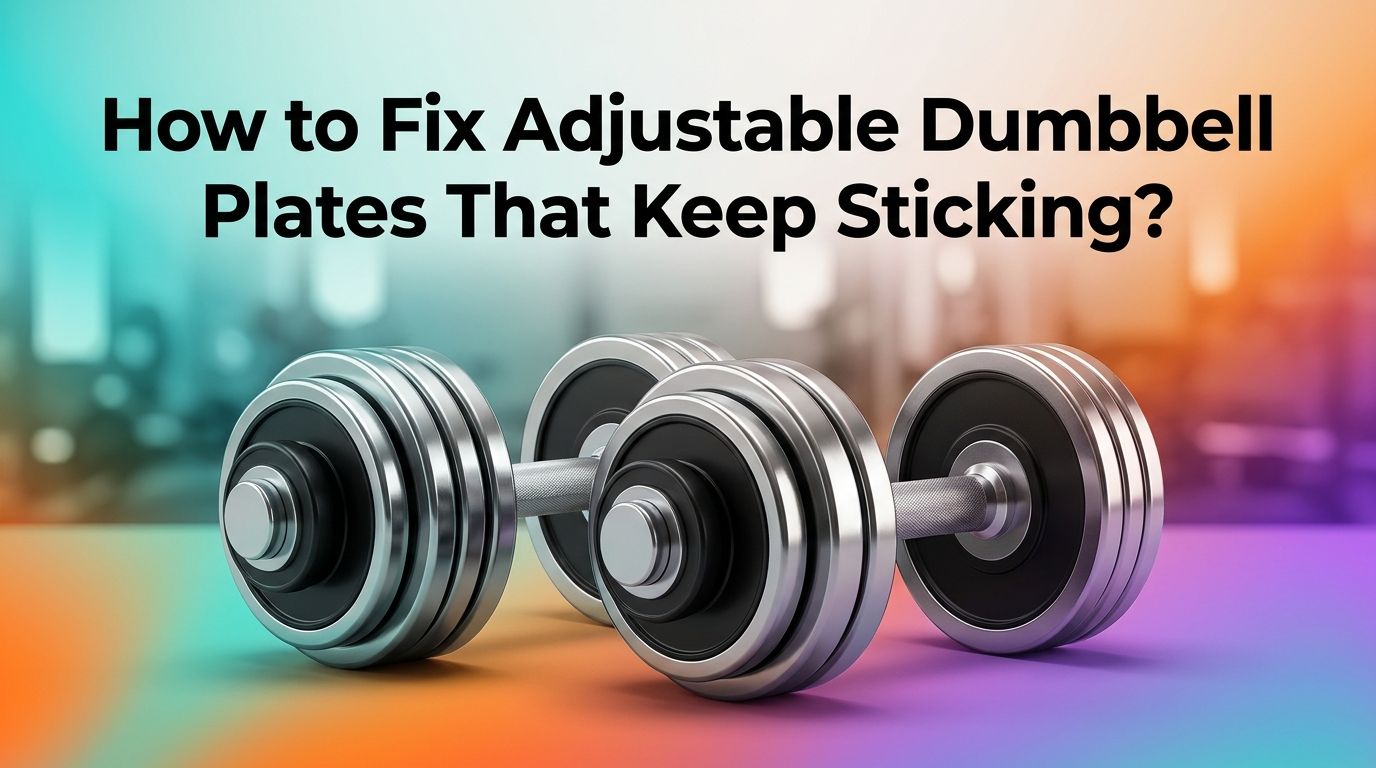
How to Fix Adjustable Dumbbell Plates That Keep Sticking?
You just set up for a solid workout session. You grab your adjustable dumbbell, twist the dial, and nothing happens. The plates are stuck. The dial won’t turn. Your workout is now on hold, and frustration is building fast.
This is one of the most common complaints among adjustable dumbbell owners. Whether you own a dial based system, a pin selector model, or a traditional spinlock set, sticking plates can ruin your training flow. The good news? Most of the time, this problem has a simple fix you can handle at home in just a few minutes.
In this guide, you will learn exactly why your adjustable dumbbell plates get stuck and what you can do about it. We will walk through each cause step by step.
In a Nutshell
- Dust and debris are the number one cause of sticking plates. Small particles work their way into the dial mechanism, guide rods, and plate slots over time. A quick cleaning session with a soft brush and dry cloth often solves the problem immediately.
- Misaligned plates prevent smooth operation. If plates are not seated correctly in the cradle or base tray, the selector mechanism cannot engage or release them properly. Always place your dumbbells back in the cradle before changing weight settings.
- Lack of lubrication causes friction buildup. Guide rods and moving parts need occasional lubrication with a silicone based spray or dry lube. A monthly application keeps everything sliding freely.
- Worn or damaged selector pins and locking tabs create persistent sticking. Inspect these small but critical parts regularly. If they show visible cracks, bending, or wear, replace them before the problem gets worse.
- Proper storage prevents most sticking issues. Keep your dumbbells in a dry, clean environment. Moisture causes rust and corrosion on metal components, which leads to friction and jamming.
- A full reset fixes most dial based dumbbell problems. Remove all plates, return the dial to the lowest setting, and reassemble from scratch. This simple process realigns internal components and clears hidden jams.
How to Identify Why Your Adjustable Dumbbell Plates Are Sticking
The first step is figuring out the exact cause. Not all sticking problems are the same. Dial based dumbbells stick for different reasons than spinlock or pin selector models.
Start by placing the dumbbell back in its cradle or base tray. Try turning the dial slowly in both directions. If it moves partway and stops, a plate is likely misaligned inside the mechanism. If the dial won’t move at all, debris or a damaged component may be the cause.
For spinlock models, try unscrewing the collar by hand. If it resists, check the threads on the bar for grime or cross threading. For pin selector types, pull the pin out fully and look for bent edges or debris in the pin channel. Identifying the specific failure point saves you time and prevents unnecessary disassembly.
How to Clean Dust and Debris From the Adjustment Mechanism
Dust is the most frequent cause of sticking plates. Every time you set the dumbbell down, tiny particles settle into the gaps between plates, the dial track, and the guide rods.
Grab a soft bristle brush (an old toothbrush works great) and gently sweep around the dial, the plate edges, and the base tray slots. Follow up by wiping all surfaces with a clean, dry microfiber cloth. For stubborn buildup, use a can of compressed air to blast debris out of tight spaces.
Do not use water directly on the mechanism. Moisture can cause rust on internal metal parts. If a surface needs more than dry cleaning, use a slightly damp cloth and dry the area immediately after.
Pros: This method is free, fast, and fixes the problem most of the time.
Cons: It won’t solve issues caused by damaged parts or severe corrosion.
How to Realign Misaligned Plates in Your Dumbbell Cradle
Misaligned plates are a very common reason for sticking, especially on dial based systems. If you change the weight setting while the dumbbell is outside its cradle, the internal selector tabs may not line up with the plate slots.
Here is the fix: Place the dumbbell back in the cradle. Make sure it is sitting flat and centered. Gently push each plate down with your fingers to confirm every plate is seated in its correct slot. Now try turning the dial.
If plates are visibly crooked or tilted, remove the handle completely from the cradle. Straighten each plate by hand so they sit flush and parallel. Reinsert the handle and test the dial again. This process takes less than two minutes and works in the majority of cases.
Pros: Quick fix that requires no tools.
Cons: If the cradle itself is warped or damaged, realignment alone won’t help.
How to Lubricate Guide Rods and Moving Parts
Friction on guide rods and sliding surfaces causes stiff movement over time. This is especially true in humid environments or if the dumbbells see heavy daily use.
Use a silicone based lubricant or a dry PTFE spray. Apply a thin coat to each guide rod and any sliding metal surface. Wipe off excess lubricant with a clean cloth so it doesn’t attract more dust.
Avoid using WD 40 as a long term lubricant. WD 40 is a solvent and water displacer, not a true lubricant. It evaporates quickly and can leave a residue that attracts dirt. Stick with products made for fitness equipment or general purpose silicone sprays.
Apply lubricant once a month for regular use, or every two weeks if you train daily. This single habit prevents the vast majority of friction related sticking.
Pros: Inexpensive, easy to apply, and highly effective at preventing future sticking.
Cons: Over application attracts dust, so use a light touch.
How to Fix a Stuck Dial on Your Adjustable Dumbbell
A dial that refuses to turn is one of the most reported problems. This happens when the internal selector tabs are caught on a plate edge or when debris has jammed the rotation track.
Step 1: Place the dumbbell in the cradle. Do not force the dial.
Step 2: Gently wiggle the weight plates up and down while applying light rotational pressure on the dial. This often frees a caught selector tab.
Step 3: If the dial is still stuck, remove the dumbbell from the cradle and flip it upside down. Tap the bottom of the cradle lightly to dislodge any trapped particles. Return the dumbbell and try again.
Step 4: If none of these steps work, proceed with a full reset (covered in the next section). Forcing the dial can crack internal plastic components, so patience is important here.
How to Perform a Full Reset on Dial Based Dumbbells
A full reset is the most reliable fix for persistent sticking. It works on nearly every dial based adjustable dumbbell system.
Start by setting the dial to the lowest weight setting. Remove the handle from the cradle. Now remove each plate from the cradle one by one. Inspect each plate for debris, warping, or damage as you go. Wipe each plate clean with a dry cloth.
Clean the cradle tray thoroughly. Remove any dust, hair, or grit from the plate slots. Place each plate back into the cradle in the correct order and orientation. Many plates have numbered markings or color codes to help with this.
Reinsert the handle and test the dial through its full range. It should turn smoothly at every setting. If a specific weight setting still sticks, the corresponding plate or selector tab may need closer inspection or replacement.
Pros: Solves most sticking issues completely and lets you inspect all components.
Cons: Takes 10 to 15 minutes per dumbbell.
How to Fix Sticking Plates on Spinlock Adjustable Dumbbells
Spinlock dumbbells use a threaded bar and screw on collars to hold plates in place. Sticking on these models usually comes from cross threaded collars, corroded threads, or warped plates.
Remove the collars and all plates. Check the threads on the bar and inside the collars for visible damage. If you see rust, use a wire brush or fine steel wool to clean the threads. Apply a thin coat of light machine oil to the threads after cleaning.
If the collar still won’t turn smoothly, the threads may be stripped. Replacement collars are widely available and inexpensive. A new set of spring collars or screw collars will restore full function.
Check your plates too. A warped plate will bind against adjacent plates or the bar. Place each plate on a flat surface. If it rocks or wobbles, that plate is the problem.
Pros: Simple repairs with basic household tools.
Cons: Stripped threads may require new bars or collars.
How to Inspect and Replace Worn Selector Pins and Tabs
Selector pins and tabs are small plastic or metal pieces inside the adjustment mechanism. They engage and release individual plates based on the dial position. These parts wear down over time, especially under heavy use.
Remove the handle and examine each selector tab. Look for cracks, bending, chips, or signs of grinding. Even minor damage on a single tab can cause that weight setting to jam.
Contact the manufacturer for replacement parts. Many brands sell individual selector tabs and pins. Some even provide step by step videos for installation. If your dumbbell is still under warranty, the replacement may be free.
Do not attempt to repair cracked plastic tabs with glue. Glue creates uneven surfaces that cause even more sticking and may fail under load, creating a safety risk.
How to Prevent Rust and Corrosion on Metal Plates
Rust is a slow but serious cause of sticking. Metal plates stored in humid garages, basements, or near open windows are at high risk. Even a thin layer of rust increases friction between plates and within the mechanism.
Wipe your plates with a dry cloth after every workout. Sweat contains salt, which accelerates corrosion. If you notice early signs of rust (orange or brown discoloration), clean the affected area with fine steel wool and apply a thin layer of light machine oil or silicone spray to protect the surface.
Store your dumbbells in a climate controlled room whenever possible. If that is not an option, use a dehumidifier in your workout space. A moisture absorbing product placed near your equipment also helps.
Pros: Prevents long term damage and keeps plates sliding smoothly.
Cons: Requires consistent effort and attention to storage conditions.
How to Store Your Adjustable Dumbbells to Avoid Future Sticking
How you store your dumbbells matters just as much as how you maintain them. Poor storage is the root cause of many recurring sticking problems.
Always return your dumbbells to the cradle or base tray after each use. Leaving them on the floor exposes them to dust, pet hair, and moisture. Make sure the cradle is on a flat, stable surface so the plates sit evenly.
Avoid stacking other items on top of your dumbbells. Extra weight on the cradle can press plates together and cause them to bind. If you use a storage rack, keep it clean and dry.
Cover your dumbbells with a cloth or towel when not in use for extended periods. This simple step blocks dust from settling into the mechanism between sessions.
How to Know If You Need Professional Repair or Replacement
Sometimes a fix is beyond basic home maintenance. Recognizing this early prevents further damage and keeps your workouts safe.
If the dial mechanism makes grinding or clicking sounds that cleaning and lubrication do not fix, an internal component is likely broken. If plates wobble or feel loose even after tightening, the locking mechanism may be worn beyond repair.
Visible cracks on the handle, cradle, or adjustment housing are serious red flags. Continuing to use a structurally compromised dumbbell puts you at risk of injury if plates release unexpectedly during a lift.
Contact the manufacturer’s support team first. Many offer troubleshooting assistance over the phone or through video chat. If your product is under warranty, you may receive replacement parts or a full replacement at no extra cost.
How to Build a Quick Maintenance Routine for Your Adjustable Dumbbells
A simple routine prevents nearly all sticking problems. Spending five minutes per week on maintenance saves you hours of frustration later.
After every workout: Wipe the handle, plates, and cradle with a dry cloth. Remove sweat and visible dust.
Once a week: Use a soft brush to clean the dial track and plate slots. Check that all plates are seated properly in the cradle.
Once a month: Apply a light coat of silicone lubricant to the guide rods and any metal sliding surfaces. Inspect selector tabs for wear. Test the dial through its full range of settings to catch any early signs of sticking.
Every three months: Do a full reset. Remove all plates, deep clean every component, and reassemble. This keeps your dumbbells in top working condition year round.
Pros: Prevents problems before they start and extends equipment lifespan.
Cons: Requires a small time commitment on a regular schedule.
Frequently Asked Questions
How Do I Stop My Adjustable Dumbbell Plates From Sticking?
Clean the dial mechanism, guide rods, and plate slots regularly with a dry cloth and soft brush. Apply silicone based lubricant to all sliding metal surfaces once a month. Always return the dumbbell to its cradle before adjusting the weight setting. These three habits prevent most sticking issues.
How Do I Release Plates That Are Completely Jammed?
Place the dumbbell back in the cradle. Wiggle each plate gently while applying light pressure on the dial. If that does not work, perform a full reset by removing all plates, cleaning each one, and reassembling from the lowest weight setting. Do not force the dial, as this can crack internal parts.
Can I Use WD 40 on My Adjustable Dumbbells?
WD 40 works as a short term solution to free a stuck mechanism. However, it is not a long term lubricant. It evaporates fast and its residue attracts dust. Use a silicone spray or dry PTFE lubricant for ongoing maintenance instead.
How Often Should I Lubricate My Adjustable Dumbbells?
For regular home use, once a month is enough. If you train daily or live in a humid area, apply lubricant every two weeks. Always wipe away excess to prevent dust from building up on the lubricated surfaces.
Why Does My Dumbbell Dial Only Stick at Certain Weight Settings?
The selector tab for that specific weight level may be damaged, bent, or have debris trapped behind it. Remove all plates and inspect the tabs at the problem weight setting. Clean or replace the affected tab to restore smooth operation at every level.
Should I Contact the Manufacturer if My Plates Keep Sticking?
Yes, especially if the problem persists after cleaning, lubricating, and performing a full reset. Your dumbbell may have a defective component that needs professional replacement. If the unit is under warranty, the manufacturer may provide free parts or a full exchange.

Hi, I’m Sarah Hill — the founder and voice behind Heavy Lift Vault. I’m passionate about fitness, strength training, and health technology. I spend my time researching, testing, and reviewing workout equipment and health devices so you don’t have to guess. My goal is to deliver honest, detailed, and trustworthy reviews that help you invest wisely in your fitness journey.