
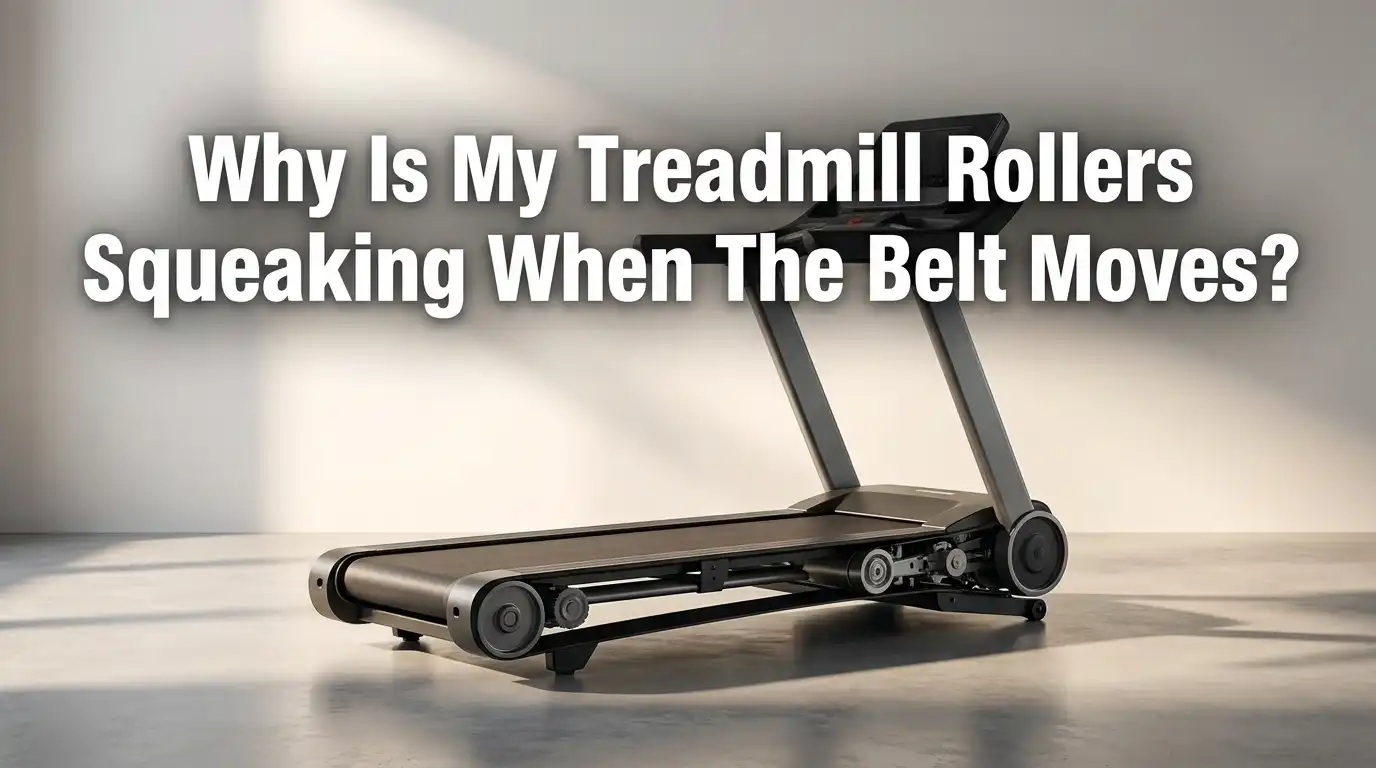
Why Is My Treadmill Rollers Squeaking When The Belt Moves?
That squeak from your treadmill is annoying. You step on the belt, it starts to move, and a sharp squealing sound follows every rotation. You wonder if your machine is breaking down.
You worry about a costly repair bill. The good news is that most roller squeaks come from simple causes. You can fix many of them at home in under an hour.
This guide breaks down every reason your treadmill rollers squeak when the belt moves. It gives you clear, step by step solutions for each cause.
Key Takeaways
- Dry lubrication is the top cause. A dry belt rubbing against the deck and rollers creates most squeaking sounds. Applying 100% silicone lubricant fixes this fast.
- Dirt and dust build up around the rollers. Debris under the belt increases friction. A simple cleaning often removes the noise without any parts or tools.
- Belt tension matters a lot. A belt that is too tight strains the roller bearings and makes them squeal. A belt that is too loose slips and creates noise too.
- Worn roller bearings need replacement. If cleaning and lubrication fail, a bad bearing is likely the cause. This is the most serious fix and may need a technician.
- Isolate the noise before you act. Test the front roller, rear roller, and motor separately. This tells you exactly which part is squeaking so you do not waste time.
- Regular maintenance prevents future squeaks. Clean weekly, tighten hardware monthly, and lubricate every three months. Prevention is cheaper than repair.
What Causes Treadmill Rollers To Squeak When The Belt Moves?
Your treadmill has two main rollers. The front roller connects to the motor and drives the belt. The rear roller sits at the back and keeps the belt tracking straight. Both rollers spin on bearings. When those bearings dry out, wear down, or collect dust, they squeak.
The squeak can also come from the belt itself. A dry belt rubs hard against the deck below it. That friction produces a high pitched squeal as the belt cycles around each roller. Loose hardware, a misaligned belt, and incorrect tension add to the problem too.
The key point is simple. A squeak means something is no longer moving smoothly. Your job is to find where the friction lives and reduce it. The next sections walk you through each cause in order.
How To Locate The Exact Source Of The Squeak
Before you fix anything, you must find where the noise comes from. Guessing wastes time and effort. A quick isolation test tells you if the problem sits in the front roller, rear roller, belt, or motor.
First, unplug the treadmill from the wall. Safety comes first. Then remove the motor cover with a screwdriver. Take the drive belt off the motor and front roller.
Now push the walking belt back and forth with your hands. Listen closely for any squeak. Noise during this test means the problem is in the front or rear roller bearings.
If you hear nothing when pushing the belt, plug the machine back in and run it slowly with the drive belt off. A squeak now points to the motor instead.
Pros: This test is free, fast, and pinpoints the exact part. Cons: It requires removing the motor cover, which can feel intimidating for beginners.
Fixing A Dry Belt With Silicone Lubricant
A dry belt is the most common reason rollers squeak. Over time, the factory lubricant wears off. The belt then drags against the deck and rollers with extra friction. Adding fresh silicone lubricant solves this in most cases.
Start by unplugging the treadmill. Lift one side of the belt and slide the lubricant applicator underneath. Apply a thin line of 100% silicone lubricant along the underside of the belt. Repeat on the other side. Most machines need about half an ounce per side.
Plug the treadmill back in and run it slowly for three to five minutes. This spreads the lubricant evenly across the deck. The squeak should fade quickly.
Pros: Cheap, quick, and fixes most squeaks. Cons: You must use the correct silicone product. Never use WD-40, cooking oil, or petroleum based sprays. These damage the belt and make friction worse.
Cleaning Dust And Debris Around The Rollers
Dust, sweat, and dirt collect under the belt and around both rollers over months of use. This grime works its way into the roller area. It raises friction and creates a scraping or squeaking sound every time the belt turns.
Unplug the machine first. Wipe the top of the belt with a dry cloth. Then lift each side of the belt and clean underneath with a soft cloth or a small vacuum. Pay close attention to the space near the front and rear rollers where debris hides.
Check for anything stuck near the roller shafts. Sometimes a small object jams against the roller and causes the noise.
Pros: This fix needs no parts and costs nothing. It often removes the squeak on its own. Cons: Cleaning alone will not help if the bearing is already worn. You may still need lubrication or a bearing replacement afterward.
Adjusting Belt Tension That Is Too Tight
An overtightened belt is a hidden cause of roller squeaks. When the belt pulls too hard, it forces the roller bearings to work under heavy strain. That strain makes the bearings squeal like a banjo string under pressure.
To check tension, unplug the machine and try to lift the belt at the center of the deck. It should rise about two to three inches. If it feels rock hard and barely lifts, the belt is too tight.
Find the tension bolts at the rear roller. Turn each bolt a quarter turn counterclockwise. Loosen both sides equally so the belt stays centered. Make small adjustments and test after each one.
Pros: Reduces stress on the motor and rollers at the same time. Cons: Loosen too much and the belt will slip. Always adjust in small steps and recheck the tracking.
Fixing A Belt That Is Too Loose Or Slipping
A loose belt causes the opposite problem. When the belt slips, it moves unevenly across the rollers. This creates a chirping or squeaking sound as the belt catches and releases. It also strains the motor over time.
Unplug the treadmill and walk on it slowly if you can safely test it. A slipping belt will hesitate or pause under your feet. That confirms the tension is too low.
Locate the rear roller tension bolts. Turn each one a quarter turn clockwise to tighten. Keep both sides even. Test the belt after each small turn. The belt should feel firm but still lift two to three inches at the center.
Pros: Stops slipping and improves your workout feel. Cons: Overcorrecting leads to a tight belt, which brings back the squeak. Patience and small adjustments are the key here.
Correcting A Misaligned Or Off Center Belt
A belt that drifts to one side rubs against the frame or side rails. This rubbing produces a steady squeak or scrape that grows louder as the belt cycles. It also wears the belt edge over time.
Run the treadmill at low speed and watch the belt. If it drifts left or right, it needs centering. Unplug the machine before you adjust. Use the rear roller bolts for tracking. If the belt drifts left, turn the left bolt a quarter turn clockwise. If it drifts right, adjust the right bolt.
Turn only a quarter turn at a time. Run the belt again and watch it recenter before making another change.
Pros: Stops edge rubbing and extends belt life. Cons: Belt tracking takes patience. Too much adjustment at once sends the belt off in the other direction, so go slowly.
Tightening Loose Hardware And Frame Bolts
Loose bolts and brackets create noise that sounds like a roller squeak but comes from somewhere else. Vibration during use loosens screws over time. The frame, motor cover, and roller mounts can all shift and squeak.
Unplug the treadmill and grab a screwdriver and wrench set. Check every bolt on the frame, the roller end caps, the motor hood, and the handrails. Tighten any that feel loose. Do not force them past snug. Overtightening can crack plastic covers.
Tap gently around the plastic housings to find any part that rattles or shifts. Secure those points carefully.
Pros: Fast, free, and prevents wear on other parts. Cons: Tightening will not fix a worn bearing or a dry belt. This step works best combined with cleaning and lubrication for a full fix.
Lubricating The Roller Bearings And Pivot Points
Sometimes the roller bearings themselves need lubrication, not just the belt. Metal to metal contact at the roller ends and pivot points creates friction. A dry bearing squeals sharply as the roller spins.
Unplug the machine and remove the motor cover. Locate the front roller shaft where it meets the frame. Apply a small amount of synthetic grease or a silicone spray lubricant to the bearing area. Do the same at the rear roller ends. For folding treadmills, add lubricant to the pivot hinge where metal meets metal.
Wipe away any excess so it does not drip onto the belt.
Pros: Reaches the exact friction point that belt lubricant cannot. Cons: Requires opening the motor cover. Using the wrong grease near the belt can cause slipping, so keep lubricant off the belt surface.
How To Diagnose And Replace A Worn Roller Bearing
If cleaning, lubrication, and tension fixes all fail, a worn bearing is the likely cause. A failing bearing makes a grinding, grumbling, or knocking squeak that gets louder as speed increases. This sound is the same with or without a person on the belt.
Run the isolation test from earlier to confirm which roller is bad. Spin each roller by hand with the belt loosened. A worn bearing feels rough, stiff, or gritty as it turns. A good bearing spins smoothly and quietly.
Replacing the whole roller is often better than replacing just the bearing. The full roller comes as one part and installs cleanly.
Pros: A new roller fully solves the noise and restores smooth movement. Cons: This is the most costly and complex fix. Many people call a technician for this, especially on units under warranty.
When To Call A Professional Technician
Some squeaks point to problems beyond a simple home fix. Knowing when to stop and call for help saves you from bigger damage. Certain warning signs mean you should stop using the treadmill right away.
Call a technician if you smell burning, hear sharp grinding during incline changes, or notice electrical buzzing near the motor. These signs suggest motor strain, bearing failure, or a control board fault. Continuing to run the machine can make the damage worse.
Professional help is also smart for motor replacements, deck resurfacing, and severe bearing failure. A trained tech has the tools and parts to fix these safely.
Pros: Expert repair prevents further damage and keeps your warranty valid. Cons: Service calls cost money. Still, a professional fix is often cheaper than replacing the whole treadmill.
Preventing Treadmill Roller Squeaks In The Future
Once you fix the squeak, keep it from coming back. A simple maintenance routine keeps the rollers, belt, and bearings running quiet for years. Prevention takes only a few minutes each week.
Every week, wipe the belt and deck to remove dust and sweat. Check that the belt stays centered. Every month, tighten the frame bolts and confirm the treadmill sits level without rocking. An uneven floor causes wobble and noise. Use a rubber mat to reduce vibration.
Every three months, lubricate the belt with silicone and clean around the rollers. Once a year, schedule a professional inspection for high mileage machines.
Pros: Regular care prevents most squeaks and extends the machine’s life. Cons: It takes consistent effort. Skipping maintenance is the fastest way to bring the squeak back.
Common Mistakes That Make Roller Squeaks Worse
Many people make the squeak worse by trying the wrong fix. Avoiding these errors saves you time and protects your treadmill. Small mistakes lead to bigger repair bills.
The biggest error is using the wrong lubricant. Never spray WD-40, cooking oil, or petroleum products under the belt. These attract dirt and damage the belt surface. Only use 100% silicone made for treadmills.
Another common mistake is overtightening the belt to stop slipping. This strains the bearings and creates a new squeak. Ignoring early noises is also risky. A small squeak today can become a failed bearing next month. Cleaning only the top of the belt while ignoring the underside leaves debris around the rollers.
Pros of avoiding these mistakes: You fix the squeak correctly the first time. Cons: There are none. Careful work always protects your machine.
Frequently Asked Questions
Why does my treadmill squeak only at low speed?
Low speed squeaking usually comes from a dry belt or early friction between the belt and deck. Adding the correct silicone lubricant often removes the noise. If you own a self lubricating treadmill, check the lubricant reservoir instead of applying oil under the belt yourself.
Can I use WD-40 to stop my treadmill rollers from squeaking?
No. WD-40 and other petroleum based sprays damage the belt surface and attract dust. This makes friction and squeaking worse over time. Always use 100% silicone lubricant made for treadmills. For roller bearings, a small amount of synthetic grease works well.
How often should I lubricate my treadmill belt?
Most machines need lubrication every three months under normal use. If you use the treadmill more than three hours per week, lubricate more often. Always check your manual first. Some treadmills self lubricate and only need a reservoir refill.
Is it safe to keep using a squeaking treadmill?
It depends on the squeak. A light squeak from a dry belt is usually safe once you lubricate it. A grinding or knocking noise points to a worn bearing and needs attention. Stop using the machine right away if you smell burning or hear electrical buzzing.
How do I know if my roller bearing is worn out?
Loosen the belt and spin each roller by hand. A worn bearing feels rough, stiff, or gritty and often makes a grinding sound. A good bearing spins smooth and quiet. The noise from a bad bearing gets louder as belt speed increases.
Will tightening the belt stop the squeaking?
Sometimes, but only if the belt is too loose and slipping. If the belt is already tight, adding more tension strains the bearings and makes the squeak worse. Check the belt first. It should lift two to three inches at the center of the deck.

Hi, I’m Sarah Hill — the founder and voice behind Heavy Lift Vault. I’m passionate about fitness, strength training, and health technology. I spend my time researching, testing, and reviewing workout equipment and health devices so you don’t have to guess. My goal is to deliver honest, detailed, and trustworthy reviews that help you invest wisely in your fitness journey.