Why Does My Suspension Training Strap Slip During TRX Workouts?
Suspension training strap slippage ranks as one of the most frustrating problems gym lovers face at home. You set up your gear, start a row or a chest press, and suddenly the strap lengthens mid rep.
Your form breaks. Your confidence drops. You wonder if the equipment is broken or if you did something wrong during setup. The good news is that most slipping issues have simple fixes you can apply in minutes.
This guide walks you through every cause and every solution. You will learn how the cam buckle works, why new straps slip more than old ones, and how to stop the problem for good. Read on so your next workout stays smooth, safe, and slip free.
Key Takeaways
- Cam buckle pressure matters most. The locking bar inside the buckle needs to bite into the webbing fibers. If the angle is wrong or the bar sits loose, the strap slides through during pulls.
- New straps slip more often than broken in straps. Fresh nylon webbing has a smooth, slick coating that reduces friction. Light scuffing or break in time fixes most factory fresh slippage.
- Anchor height controls strap pull angle. Mount your anchor between seven and nine feet high. Low anchors create flat pull angles that force webbing through the buckle.
- Knockoff brands often use weak hardware. Cheap cam buckles use thin metal bars and soft webbing. The fix involves either replacing the buckle or adding chip clips for tension.
- User error causes plenty of slips too. Failing to seat the buckle, twisting the strap, or pulling sideways all create slip risk. Proper setup steps remove these issues fast.
- Foot cradle slippage differs from main strap slippage. Foot cradles slip because of poor cinching or shoe choice, not buckle problems.
How the TRX Cam Buckle Actually Works
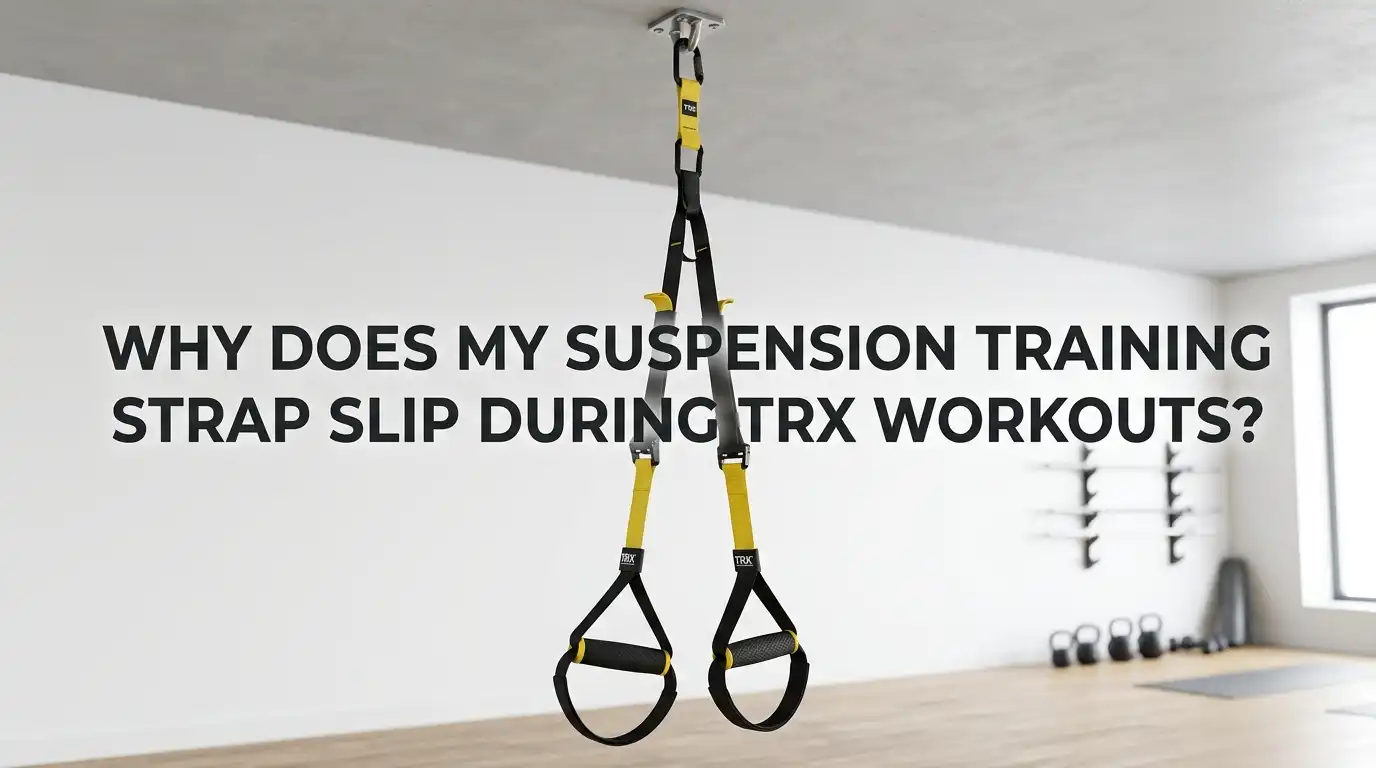
The cam buckle is the small plastic and metal piece that holds your strap length in place. It uses a spring loaded locking bar to press the webbing against a flat surface. When you pull down, the bar should bite harder into the strap. This is called self locking tension.
If the webbing sits at the wrong angle, the bar cannot grip well. The strap then feeds through bit by bit. Understanding this design helps you spot the cause of slippage fast. You only need a quick visual check before each session to confirm the bar is seated flat against the webbing.
Reason One: Brand New Straps with Slick Webbing
Fresh suspension trainers often slip during the first few sessions. The webbing arrives with a factory finish that makes the surface glossy. This coating reduces the friction the cam buckle needs to grip.
Solution: Use the straps for a week of light workouts. The coating wears off naturally with use. You can speed things up by rubbing the webbing with fine grit sandpaper or a rough towel.
Pros of natural break in: Safe, free, and keeps your strap warranty valid.
Cons: Slow process that can take two to four weeks of regular use.
Pros of sandpaper scuffing: Quick results within minutes.
Cons: Risk of weakening fibers if you press too hard or scuff one spot too much.
Reason Two: Wrong Anchor Height Creates Bad Pull Angles
Anchor height plays a huge role in how the strap behaves. TRX recommends an anchor point between seven and nine feet off the ground. A low anchor forces the webbing to pull at a near horizontal angle through the buckle.
This flat angle prevents the locking bar from biting hard. The strap then creeps longer during high force moves like rows or chest presses.
Solution: Move your anchor higher. Use a ceiling mount, a high beam, or a tall door frame. If you cannot raise the anchor, switch to exercises that pull the strap at steeper angles, such as squats or biceps curls. Always test the strap with a hard pull before starting your workout.
Reason Three: The Buckle Was Not Fully Seated
Many users skip a small but vital step during setup. After adjusting strap length, you must press the cam buckle closed firmly. The locking bar needs to click into its locked position against the webbing.
If you let go too early, the bar floats just above the strap. Even slight load then causes slip. This is the most common user error reported by new TRX owners.
Solution: After every length change, push the buckle closed with your thumb until you feel a firm click. Then tug the strap hard to confirm it holds. Treat this as a safety check, just like a climber checks knots.
Reason Four: Knockoff or Counterfeit Hardware
Cheap suspension trainers use weaker materials. The cam buckles often have thin metal bars and soft plastic shells. The webbing tends to be thinner and slicker than genuine versions.
Reddit users with knockoffs report constant slipping even after break in periods. The hardware simply cannot generate the friction needed.
Solution one: Add small chip bag clips or binder clips above the buckle. They keep slight tension on the strap so the locking bar stays seated.
Pros: Cheap and quick fix.
Cons: Looks messy and clips can pop off mid set.
Solution two: Replace the buckles with industrial cam buckles from a hardware store.
Pros: Permanent and reliable.
Cons: Requires basic sewing or rivet skills.
Reason Five: Worn Out Webbing After Years of Use
Older straps slip because the webbing fibers flatten over time. Sweat, sunlight, and friction wear down the surface. Users who have owned their gear for three or more years often report sudden slippage.
Solution: Inspect the webbing where the cam buckle clamps. If the fibers look glossy and pressed flat, the strap has reached the end of its grip life.
You can lightly scuff the worn area with sandpaper to revive friction. However, safety experts suggest replacing straps that show major wear. Old webbing can fail under load and cause falls.
Reason Six: Twisted or Folded Webbing Inside the Buckle
A twist in the strap inside the buckle ruins the grip. The locking bar then presses on a folded edge instead of the flat surface. This causes uneven pressure and steady slip.
Solution: Open the buckle fully and lay the strap flat. Make sure no twists run between the anchor and the handles. Re thread the webbing if needed.
This fix takes thirty seconds and solves a surprising number of slip cases. Always check for flatness before each workout, especially after travel or storage.
How to Set Up Your Suspension Trainer the Right Way
Proper setup prevents most slip issues from the start. Begin by anchoring your strap at the correct height of seven to nine feet. Connect the carabiner to the anchor loop and pull down to test the hold.
Next, adjust both straps to equal length using the cam buckles. Press each buckle firmly closed. Stand under the anchor and pull both handles down with your full body weight. If the straps hold, you are ready to train. If they slip, repeat the buckle seating step or check for twists.
Foot Cradle Slippage Is a Different Problem
Foot cradles slip for different reasons than main strap slippage. The issue is usually loose cinching or smooth shoe soles. Your foot slides through the loop during planks and hamstring curls.
Solution: Tighten the foot cradle cinch lock until it grips your shoe firmly. Place your foot deep into the cradle so the strap rests on your shoelaces. Wear shoes with textured tops rather than smooth running shoes.
For barefoot training, hook your toes through the cradle and apply downward pressure. TRX trainers recommend pointing your toes hard to lock the foot in place.
When to Contact the Manufacturer for a Replacement
Sometimes the buckle itself is faulty. A few production batches have shipped with weak springs or misaligned bars. If your strap slips even after every fix above, the hardware may be defective.
Solution: Contact the brand customer service team. Genuine TRX products carry a warranty that covers buckle defects. Send photos and a short video of the slippage.
Pros of warranty replacement: Free fix and peace of mind.
Cons: Wait times can stretch from two to six weeks.
Never modify a defective buckle yourself if you plan to file a warranty claim.
Quick Maintenance Habits That Prevent Slipping
Small habits keep your straps reliable for years. Wipe sweat off the webbing after each workout. Store your trainer indoors away from direct sunlight. Inspect the buckle springs once a month for rust or stiffness.
Avoid washing the straps in hot water or harsh detergents. These break down the fibers and reduce grip. Hand wash with mild soap and air dry instead.
Tip: Keep a small pouch of fine sandpaper with your gear. A quick scuff before a session restores friction on slick spots.
Frequently Asked Questions
Why does my TRX strap slip only on one side?
Uneven slipping usually points to one buckle being seated wrong or one side having more wear. Check the buckle alignment and look for fiber polishing on the slipping side.
Can I use my suspension trainer if it slips a little?
No. Even small slips can lead to sudden strap lengthening under load. This causes balance loss and fall risk. Fix the issue before training.
How long should a quality suspension training strap last?
Genuine straps used three times a week last around five to seven years. Heavy daily use shortens this to about three years.
Does sweat make TRX straps slip more?
Yes. Sweat soaks into the webbing and reduces friction inside the buckle. Wipe the strap dry during long sessions if you sweat heavily.
Are barrel lock adjusters better than cam buckles?
Many users prefer barrel locks because they have fewer moving parts and no springs to fail. They tend to grip well even on slick webbing.
Can I add grip tape to my straps?
Avoid grip tape on the section that runs through the buckle. The added thickness can jam the locking bar. Light scuffing works better than tape.

Hi, I’m Sarah Hill — the founder and voice behind Heavy Lift Vault. I’m passionate about fitness, strength training, and health technology. I spend my time researching, testing, and reviewing workout equipment and health devices so you don’t have to guess. My goal is to deliver honest, detailed, and trustworthy reviews that help you invest wisely in your fitness journey.