How to Fix a Treadmill Belt That Is Slipping, Misaligned, or Not Moving?
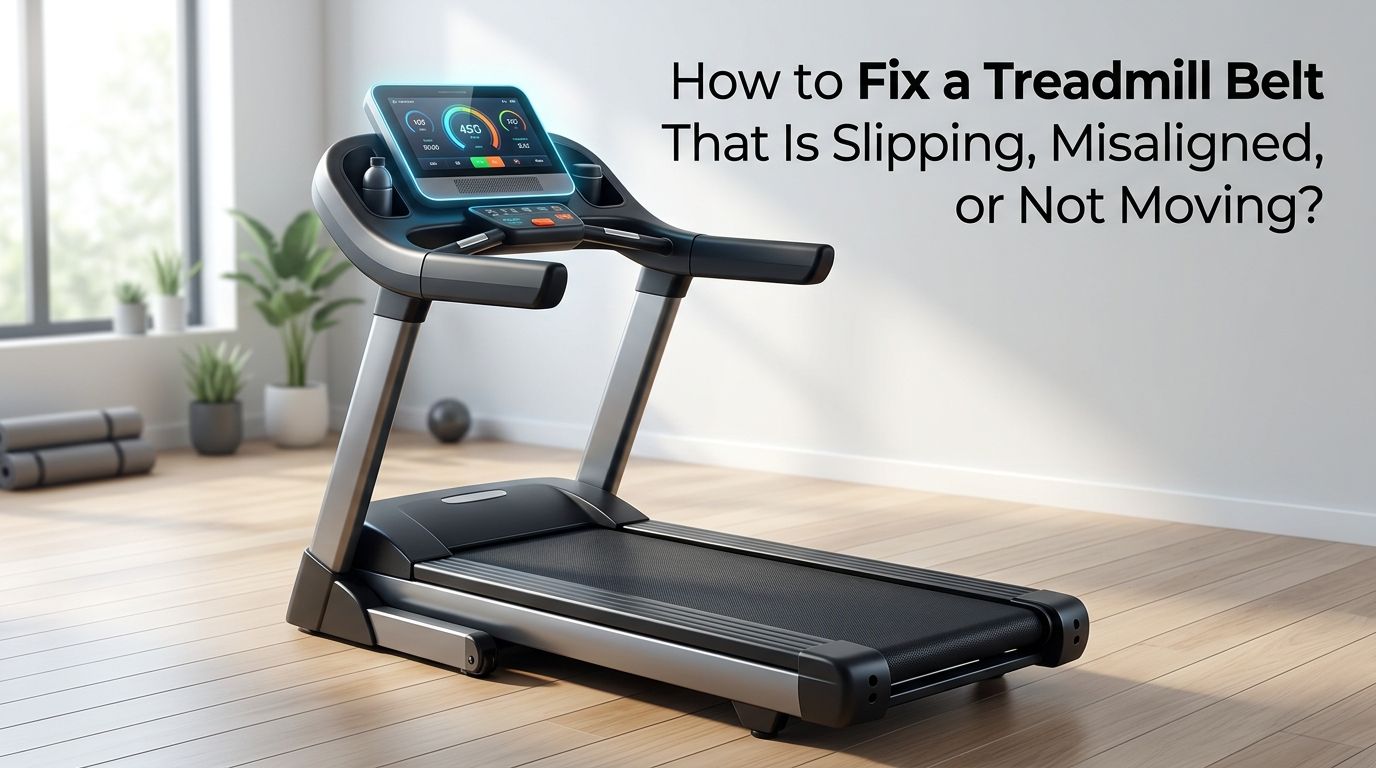
A treadmill belt problem can turn your daily workout into a frustrating experience. You step on the machine, press start, and the belt slips, drifts to one side, or refuses to move at all. Sound familiar? You are not alone.
Treadmill belt issues are among the most common home gym problems. The good news is that most of these problems have simple fixes you can do yourself without calling a repair technician.
Whether your belt is slipping under your feet, making strange noises, or wearing out unevenly, this guide walks you through every solution.
Key Takeaways
- Lubrication solves most belt problems. A dry belt creates excess friction between the deck and the belt surface. This friction causes slipping, overheating, and premature wear. Apply 100% silicone lubricant every three to six months based on your usage.
- Tension adjustment is a quick fix. A loose belt will slip when you step on it. You can tighten it using the hex bolts at the rear of the treadmill. Turn each bolt a quarter turn clockwise and test the belt after each adjustment.
- Misalignment causes uneven wear. If your belt drifts to one side, it needs realignment. Adjust the rear roller bolts individually to guide the belt back to the center.
- Check the drive belt if the walking belt won’t move. The drive belt connects the motor to the front roller. A worn, cracked, or loose drive belt will stop the walking belt from spinning even if the motor runs.
- Know when to replace the belt. Fraying edges, smooth worn spots, visible cracks, and a bumpy running surface are all signs that your belt needs a full replacement. Most belts last five to seven years with proper care.
- Always unplug the treadmill before any repair. Safety comes first. Never work on a treadmill while it is connected to power.
How to Tell if Your Treadmill Belt Needs Fixing
The first step is to identify the problem. Treadmill belt issues usually show specific warning signs that point to the root cause.
A slipping belt feels like the surface hesitates or jerks under your feet during a run. This often happens when you increase speed or plant your foot firmly. A misaligned belt will drift to the left or right side and may rub against the frame edges.
Listen for unusual sounds too. A squeaking or grinding noise often signals a lack of lubrication. A burning smell means the belt has too much friction against the deck. If the motor hums but the belt does not move at all, the drive belt or motor controller may be at fault.
Run your hand along the underside of the belt. A healthy belt feels slightly waxy or slick. A dry, rough surface confirms the belt needs lubrication right away.
How to Lubricate a Treadmill Belt Properly
Lubrication is the single most important maintenance task for any treadmill. Most manufacturers recommend lubricating the belt every three to six months or every 150 miles of use.
Start by unplugging the treadmill. Loosen the belt slightly by turning the rear roller bolts counterclockwise a half turn. Lift one edge of the belt and apply 100% silicone lubricant along the center of the deck underneath.
Apply lubricant from the center toward the rear of the deck on both sides. Use about one ounce of silicone per application. After applying, plug the treadmill back in and run it at a slow speed for two to three minutes. This spreads the lubricant evenly across the deck surface.
Pros: Inexpensive fix, prevents most belt problems, extends belt and motor life, easy to do at home.
Cons: Over lubrication can cause the belt to slip temporarily. Using the wrong lubricant (like WD 40 or petroleum based oil) will damage the belt and deck permanently.
How to Tighten a Loose Treadmill Belt
A loose belt is one of the most common reasons for slipping. You should be able to lift the belt two to three inches from the deck at its center. If it lifts higher, the belt is too loose.
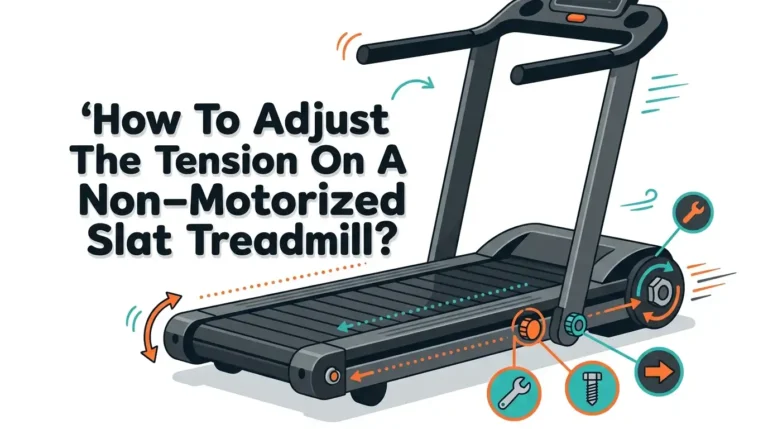
Locate the tension adjustment bolts at the rear end of the treadmill. These are usually hex bolts on either side of the rear roller. Use the Allen wrench that came with your treadmill.
Turn both bolts clockwise by a quarter turn. Keep the turns equal on both sides to maintain alignment. Test the belt by walking on it at a moderate speed. If it still slips, repeat the process with another quarter turn.
Pros: Takes less than five minutes, requires only an Allen wrench, immediately fixes slipping in most cases.
Cons: Over tightening puts strain on the motor, rollers, and belt. This can cause premature wear or motor burnout. Always test after small adjustments.
How to Fix a Treadmill Belt That Slides to One Side
A belt that drifts left or right is a misalignment issue. This happens when the rear roller is not perfectly even on both sides. It can also result from uneven foot placement over time.
Unplug the treadmill first. Stand behind the machine and look at which side the belt has moved toward. If the belt has moved to the right, turn the right rear bolt clockwise by a quarter turn. This pulls the belt back toward the center.
Plug the treadmill in and run it at a slow speed with no one standing on it. Watch the belt for 30 seconds. If it still drifts, make another small adjustment. Always adjust one side at a time.
Pros: Simple fix with immediate results, prevents belt edge damage and frame wear.
Cons: Requires patience and repeated small adjustments. Overcorrecting can shift the belt too far in the opposite direction.
How to Check and Replace the Drive Belt
The drive belt is a separate belt inside the motor housing. It connects the motor shaft to the front roller. If this belt is worn, cracked, or loose, the walking belt will not move even when the motor runs.
Unplug the treadmill and remove the motor hood cover. Locate the drive belt wrapped around the motor pulley and front roller pulley. Press on the belt with your finger. It should have slight tension and no more than half an inch of give.
Look for visible cracks, fraying, or glazing on the belt surface. A shiny, smooth drive belt has lost its grip and needs replacement. Remove the old belt by loosening the motor mount bolts, slide the new belt into place, and retighten.
Pros: Replacement drive belts are affordable and widely available. The swap takes about 20 to 30 minutes.
Cons: Requires opening the motor housing. Incorrect installation can damage the motor or void the warranty on some models.
How to Fix a Treadmill Belt That Stops When You Step on It
This problem usually means the belt lacks tension or lubrication, or the drive belt is slipping. The added weight of your body creates demand that a compromised belt system cannot handle.
Start with the simplest fix. Lubricate the deck under the walking belt. Then tighten the rear roller bolts a quarter turn on each side. Test the belt by walking at a slow speed.
If the belt still stops, check the drive belt for wear. A worn drive belt cannot transfer enough force from the motor to the roller under load. Replace it if you see signs of damage.
In some cases, the motor itself may be failing. If you hear the motor struggling or smell burning, the motor may need professional inspection. A faulty motor control board can also cause this symptom.
How to Replace a Worn Treadmill Walking Belt
Sometimes the belt is too damaged for a simple fix. Fraying edges, smooth worn patches, visible cracks, and a rough or bumpy texture all signal the need for replacement. Most walking belts last five to seven years with regular maintenance.
Unplug the machine and remove the motor hood. Loosen the rear roller bolts fully until the belt is slack. Remove the belt by sliding it off the deck. Note the direction of the belt before removal.
Slide the new belt onto the deck and over both rollers. Center it and begin tightening the rear bolts evenly, a quarter turn at a time. Lubricate the new belt before first use. Run the treadmill at low speed for several minutes to seat the belt properly.
Pros: A new belt restores full treadmill performance. It protects the motor and deck from further damage.
Cons: Replacement belts vary by model and size. Incorrect belt size will cause immediate problems. The process can take 45 minutes to an hour.
How to Maintain Your Treadmill Belt to Prevent Future Problems
Prevention saves you time and money. A regular maintenance schedule keeps your belt running smoothly and extends the life of your treadmill.
Lubricate the belt every three months if you use the treadmill daily. Wipe down the belt surface after each workout to remove sweat, dust, and debris. Sweat is corrosive and speeds up belt wear.
Keep the area around and under the treadmill clean. Dust and pet hair can enter the motor housing and cause overheating. Vacuum around the machine weekly. Check belt tension and alignment monthly with a quick visual inspection.
Flip your treadmill deck once during its lifetime if the manufacturer allows it. This doubles the deck’s usable surface area. Always use the treadmill on a flat, level surface to prevent alignment drift.
How to Know if the Problem Is the Motor and Not the Belt
Not every belt issue is actually a belt issue. A failing motor or faulty control board can mimic belt problems and send you down the wrong repair path.
If the belt moves at inconsistent speeds despite proper tension and lubrication, the motor control board may be malfunctioning. A burning smell from the motor area (not the belt area) points to motor trouble.
Use a multimeter to test the voltage output from the motor controller. If the voltage fluctuates wildly, the board needs replacement. A motor that makes loud grinding or clicking noises likely has worn brushes or bearings.
Call a professional if you suspect electrical issues. Working with motor wiring and control boards requires technical knowledge and carries a risk of electric shock.
How to Fix a Treadmill Belt That Makes Squeaking or Grinding Noises
Noises from the belt area usually trace back to friction, misalignment, or roller wear. A squeaking sound often means the belt is dry and needs lubrication.
Apply silicone lubricant under the belt and run the machine at low speed. If the squeaking stops, you found the cause. A grinding noise is more serious. It can indicate a worn roller bearing or debris caught between the belt and deck.
Lift the belt and inspect the deck surface for grooves or rough spots. A heavily grooved deck increases friction and creates noise. Sand minor rough spots lightly or replace the deck if the grooves are deep.
Check both the front and rear rollers by spinning them by hand. They should rotate freely and quietly. A rough or grinding roller needs replacement.
How to Fix a Treadmill Belt After Over Lubrication
Too much lubricant is almost as bad as too little. An over lubricated belt will slip excessively because the surface becomes too slick for your feet to grip.
If you applied too much silicone, wipe the excess from the belt surface with a dry cloth. Lift both edges of the belt and use a cloth to remove extra lubricant from the deck underneath.
Run the treadmill at a medium speed with no one on it for five to ten minutes. This helps distribute and absorb the excess. Then test the belt by walking on it slowly. If it still slips, tighten the rear bolts a quarter turn on each side.
Pros: The fix is quick and requires only a cloth and a few minutes.
Cons: Repeated over lubrication can degrade certain belt materials over time. It can also attract dust and debris that create a paste, increasing long term wear.
How to Decide Between DIY Repair and Professional Service
Some treadmill belt fixes are easy enough for anyone. Others require tools, parts, and experience. Knowing the difference saves you from making a small problem worse.
DIY works well for lubrication, tension adjustment, alignment correction, and drive belt replacement. These tasks require basic tools and take less than an hour. Online tutorials and your treadmill’s owner manual provide enough guidance.
Call a professional for motor issues, control board failures, or if you cannot identify the problem. Electrical components carry risks, and incorrect repairs can cause safety hazards. A technician also has access to diagnostic tools that can pinpoint problems faster.
If your treadmill is still under warranty, check the terms before opening any covers. Some warranties become void if unauthorized repairs are performed. Contact the manufacturer first for guidance on covered repairs.
Frequently Asked Questions
How often should I lubricate my treadmill belt?
Most manufacturers recommend every three to six months. If you use your treadmill daily or for intense workouts, lubricate every two to three months. Always use 100% silicone based lubricant and never petroleum based products. Check the owner’s manual for model specific recommendations.
Why does my treadmill belt slip only when I run but not when I walk?
Running puts more force on the belt than walking. A slightly loose or dry belt may handle walking but cannot grip under the impact of running. Tighten the rear roller bolts a quarter turn on each side and apply lubricant to fix this.
Can I use WD 40 to lubricate my treadmill belt?
No. WD 40 is a petroleum based product and will damage the belt, deck, and roller surfaces. It degrades the materials and creates a sticky residue over time. Only use 100% silicone lubricant made for treadmill use.
How much does it cost to replace a treadmill belt?
A replacement walking belt typically costs between $50 and $200 depending on the treadmill model and belt quality. Professional installation adds another $100 to $200. DIY replacement can save you the labor cost if you are comfortable with basic mechanical work.
How do I know if my treadmill belt is too tight?
Try to lift the belt at its center point. You should be able to lift it two to three inches from the deck. If you can barely lift it, the belt is too tight. Loosen the rear bolts a quarter turn counterclockwise on each side and test again. An overly tight belt strains the motor and wears the belt faster.
Can a bad treadmill belt damage the motor?
Yes. A worn, dry, or misaligned belt forces the motor to work harder. This extra strain generates heat and can burn out the motor over time. Keeping the belt properly lubricated, tensioned, and aligned protects the motor and extends its lifespan.

Hi, I’m Sarah Hill — the founder and voice behind Heavy Lift Vault. I’m passionate about fitness, strength training, and health technology. I spend my time researching, testing, and reviewing workout equipment and health devices so you don’t have to guess. My goal is to deliver honest, detailed, and trustworthy reviews that help you invest wisely in your fitness journey.