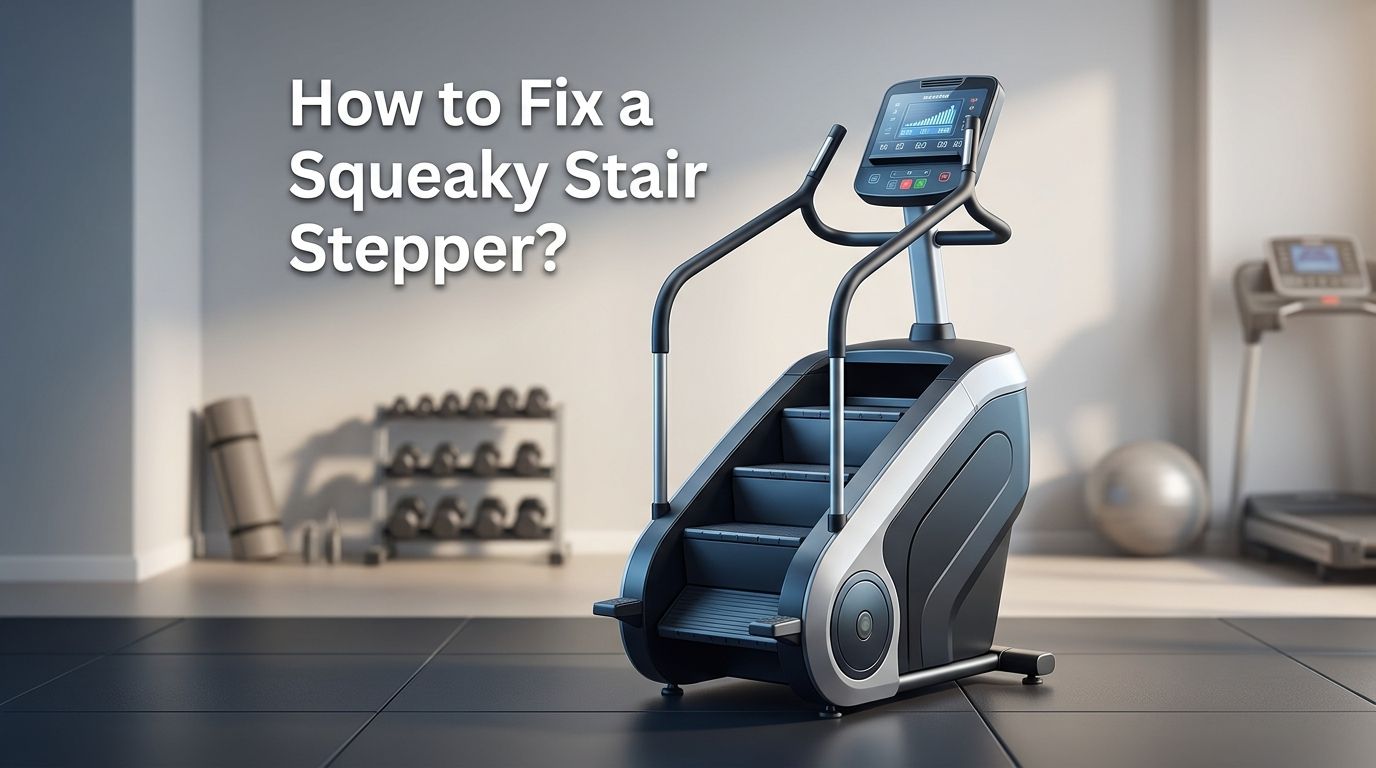
How to Fix a Squeaky Stair Stepper? Step by Step Solutions
You bought your stair stepper to get a good workout at home. Now every step you take sounds like a rusty door opening in a horror movie.
That constant squeak, squeak, squeak is enough to drive you and everyone in your house absolutely crazy. The good news? A squeaky stair stepper is almost always fixable without calling a technician or replacing the machine.
Most squeaks come from a few common culprits. Dry joints, loose bolts, worn hydraulic cylinders, and unlubricated pulleys cause the majority of stepper noise problems.
Key Takeaways
- Identify the noise source first. Before grabbing any tools, step on the machine slowly and listen carefully. The squeak might come from the base, the pedals, the hydraulic cylinders, or the pulley system. Knowing the exact location saves you time and effort.
- Use the right lubricant. A silicone based lubricant or white lithium grease works best for stair stepper machines. Avoid using standard WD 40, as it evaporates quickly and does not provide long lasting lubrication for fitness equipment.
- Tighten all bolts and screws. Loose hardware is one of the most common reasons a stair stepper starts squeaking. Use a hex key or Allen wrench to check every visible bolt on the machine, especially around the pedals and base.
- Check the hydraulic cylinders. If your stepper uses hydraulic resistance, a failing or leaking cylinder can produce loud squeaking. These cylinders cannot be lubricated externally and may need replacement if they are the source of the noise.
- Make maintenance a regular habit. A quick 10 minute inspection every two to four weeks prevents squeaks from returning. Lubricate joints, tighten hardware, and wipe down your machine regularly.
- Place your stepper on a flat, stable surface. An uneven floor can cause wobbling, which creates extra stress and noise at the joints and pivot points.
How to Identify Where the Squeak Is Coming From
The first step to fixing any squeaky stair stepper is finding the exact source of the noise. Step onto the machine slowly and push one pedal at a time. Listen closely to determine if the sound comes from the top near the pedals, the bottom near the base, or the middle where the hydraulic cylinders connect.
Ask someone to stand nearby and point to where they hear the noise. This second set of ears makes a big difference. You can also place your hand on different parts of the machine while stepping. Vibrations will feel stronger at the noise source.
Write down which side squeaks and at what point during the step motion the noise occurs. Does it squeak on the downstroke, the upstroke, or both? This detail helps you narrow down the specific part that needs attention and saves you from guessing.
How to Choose the Right Lubricant for Your Stair Stepper
Picking the wrong lubricant is one of the most common mistakes people make. Standard WD 40 is a solvent, not a true lubricant. It dries out fast and actually strips away the grease your machine needs. Instead, use a silicone based spray lubricant or white lithium grease.
Silicone spray works great for metal to plastic contact points and rubber surfaces. It does not attract dust or dirt, which makes it ideal for fitness equipment. White lithium grease is thicker and lasts longer on metal to metal joints, gears, and wheel tracks.
Pros of silicone spray: Easy to apply, dries clean, safe for rubber and plastic parts, does not attract debris.
Cons of silicone spray: Wears off faster than grease, may need reapplication every few weeks.
Pros of white lithium grease: Long lasting, excellent for heavy friction areas, sticks well to metal surfaces.
Cons of white lithium grease: Can be messy, may attract dust if applied too heavily, harder to apply precisely.
Graphite spray is another option for dry environments. It leaves no wet residue and provides smooth, quiet movement at pivot points.
How to Tighten Loose Bolts and Screws on a Stair Stepper
Loose bolts are a top cause of squeaky stair steppers. Every time you step, the machine absorbs your body weight. Over weeks and months of use, this repeated force gradually loosens screws and bolts at every connection point.
Flip your stepper upside down carefully or tilt it to expose the bottom. Grab a hex key or Allen wrench. Most steppers use metric hex bolts. Check every bolt you can see, starting with the U shaped irons at the base and the screws that attach the foot pedals.
Do not overtighten. Snug is enough. Overtightening can strip threads or crack plastic housings. Work your way around the entire machine systematically. Check the front barrel caps, side joints, and any screws holding covers or panels in place.
Pro tip: If a bolt keeps loosening after you tighten it, apply a small drop of threadlocker compound to the bolt threads before reinstalling. This keeps it secure without making it permanent.
How to Lubricate the Pivot Points and Joints
The pivot points on your stair stepper are the spots where metal parts move against each other. These are the primary squeak generators on most machines. You will find them where the pedals connect to the central mechanism and where the resistance arms attach to the frame.
Start by wiping the pivot area clean with a dry cloth. Remove any old grease or dirt buildup. Apply a small amount of silicone spray or white lithium grease directly to the joint. Move the pedal up and down several times to work the lubricant into the contact surfaces.
Do not flood the area with lubricant. A thin, even coating is all you need. Excess lubricant drips onto the floor and collects dust that creates more friction over time. Wipe away any drips with a clean rag.
Repeat this process for every visible joint on the machine. Focus especially on any point that moves or rotates during the stepping motion. You should notice an immediate reduction in noise after lubricating the correct joint.
How to Fix Squeaky Hydraulic Cylinders on a Stair Stepper
Many home stair steppers use hydraulic cylinders to provide resistance. These sealed tubes contain oil and a piston rod. When they start squeaking, the problem is usually inside the cylinder itself, which means external lubrication will not help much.
You can try applying a small amount of silicone lubricant to the exposed piston rod where it enters the cylinder. This sometimes reduces surface friction noise. Step on the machine slowly a few times after applying to spread the lubricant along the seal.
If the cylinder is leaking oil, making grinding sounds, or has lost its resistance, it needs replacement. Hydraulic cylinders are sealed units and cannot be refilled or repaired at home. Contact your stepper’s manufacturer for a replacement part.
Pros of replacing the cylinder: Restores full function, eliminates the squeak completely, often inexpensive.
Cons of replacing the cylinder: Requires some disassembly, may void warranty if done incorrectly, replacement parts vary by model.
How to Grease the Pulley System to Stop Noise
Some stair steppers use a pulley and cable system to create resistance and synchronize the pedals. A dry or misaligned pulley will squeak every time the cable moves across it. This noise often sounds like a high pitched chirp that repeats with each step.
Turn the stepper so you can access the bottom. Locate the pulley wheels and the cables that wrap around them. Loosen the tension knob by turning it counterclockwise. This gives you better access to spray lubricant into the inner hole of the pulley and along the groove where the cable sits.
Apply silicone spray in short bursts. Spin the pulley with your finger to distribute the lubricant evenly. Retighten the tension knob after lubrication. Wipe away any excess spray to prevent it from dripping onto the floor during your next workout.
Check the cable itself for fraying or kinks. A damaged cable can rub against the pulley housing and create noise that no amount of lubricant will fix. Replace the cable if it shows visible wear.
How to Fix Pedal Related Squeaks on Your Stair Stepper
Sometimes the squeak comes directly from the foot pedals. The pedal surface, the pedal hinge, or the connection between the pedal and the stepping arm can all produce noise. This is especially common on mini steppers that see heavy daily use.
Remove the pedals if possible. Check the bolt holes for wear or stripped threads. Clean the contact surfaces and apply a thin layer of grease before reinstalling. Tighten the pedal bolts firmly but not excessively.
If the pedal has a rubber or textured surface that rubs against the base during the stepping motion, place a small piece of felt or anti squeak tape between the contact points. This dampens the vibration and stops the noise.
Also check if your feet are hitting the bottom of the machine at the lowest point of the step. Many users unknowingly bottom out the pedals, which creates a loud thud or squeak. Adjust your stepping range to keep the pedals from reaching the very bottom of their travel.
How to Level Your Stair Stepper to Reduce Noise
A stair stepper sitting on an uneven surface will wobble during use. This wobble puts extra stress on joints and bolts. Over time, it accelerates wear and causes squeaking at multiple points on the machine.
Place a level tool on the stepper’s base. Check both side to side and front to back. If the surface is uneven, move the machine to a flat area. You can also place a thick rubber mat or foam pad beneath the stepper to absorb vibration and even out minor floor irregularities.
A quality exercise mat does two things at once. It prevents the stepper from sliding on hard floors, and it reduces noise transmission to the floor below. This is especially helpful if you live in an apartment or exercise on a second floor.
Make sure the machine’s rubber feet are all intact and firmly attached. Missing or worn rubber feet allow direct metal to floor contact, which amplifies every sound the machine makes.
How to Perform Regular Maintenance to Prevent Future Squeaks
Prevention is easier than repair. Set a schedule to inspect your stair stepper every two to four weeks. A quick maintenance check takes about 10 minutes and keeps squeaks from coming back.
During each check, tighten all bolts, wipe down joints with a clean cloth, and apply a light coat of silicone spray to the main pivot points. Inspect the hydraulic cylinders for any oil leaks. Look at the cables and pulleys for signs of fraying or wear.
Keep your stepper clean. Sweat is corrosive. It speeds up rust and degrades rubber seals over time. Wipe the machine down after every workout with a dry or slightly damp cloth. Store it in a dry area away from direct sunlight if possible.
Keep a maintenance log if you like to stay organized. Write down the date, what you lubricated, and any parts that might need replacement soon. This simple habit extends your machine’s life by years.
How to Know If Your Stair Stepper Needs Professional Repair
Not every squeak is a DIY fix. Some problems require a trained technician or a warranty claim. If you have lubricated every joint, tightened every bolt, and the squeak still persists, the issue may be internal.
Signs that you need professional help include a grinding metal noise that does not respond to lubrication, visible cracks in the frame, hydraulic cylinders that have completely lost resistance, and electronic components that buzz or malfunction.
Check your warranty before attempting any major disassembly. Many manufacturers cover parts and labor for one to three years. Opening sealed components yourself can void that coverage. Contact the manufacturer’s support team and describe the noise in detail. Many brands offer troubleshooting over email or video call.
If the machine is old and the repair cost is close to the price of a new stepper, replacement may be the smarter financial choice. Factor in the cost of parts, shipping, and your time before deciding.
How to Use Household Items as Temporary Squeak Fixes
Sometimes you need a quick fix right now and do not have specialized lubricants on hand. A few common household items can reduce the squeak temporarily until you get the proper supplies.
Cooking spray like vegetable oil spray can work as a short term lubricant on metal joints. It will reduce friction and quiet the noise for a few workouts. However, it attracts dust and goes rancid over time, so clean it off and replace it with proper silicone spray as soon as possible.
Candle wax or bar soap rubbed on contact surfaces creates a thin barrier that reduces friction. This works best for areas where plastic rubs against metal. It is not a long term solution, but it can buy you a few days of quiet stepping.
Petroleum jelly applied sparingly to bolts and pivot points also dampens squeaks temporarily. It is thick enough to stay in place but does not have the durability of dedicated fitness equipment lubricant.
Pros of household fixes: Immediate availability, zero cost, easy to apply.
Cons of household fixes: Short lived, can attract dirt, may leave residue that requires extra cleaning later.
How to Troubleshoot Squeaks That Return After Fixing
You fixed the squeak, celebrated the silence, and three days later it came back. This is frustrating, but it points to a specific underlying cause that needs a different approach.
Recurring squeaks often mean a part is worn beyond what lubrication can fix. A bearing, bushing, or washer inside the pivot joint may have degraded. Check for visible play or wobble at the joint. If the bolt is tight but the parts still move loosely around it, the internal bushing needs replacement.
Another possibility is insufficient lubrication penetration. Spray lubricant sometimes sits on the surface without reaching the actual friction point deep inside a joint. In this case, disassemble the joint, clean both surfaces thoroughly, apply grease directly to the contact area, and reassemble.
If the squeak only returns in humid or cold conditions, moisture may be the culprit. Wipe the machine dry and store it in a climate controlled room. Moisture causes metal surfaces to oxidize slightly, which increases friction and noise.
Frequently Asked Questions
How Often Should You Lubricate a Stair Stepper to Prevent Squeaking?
You should lubricate your stair stepper every two to four weeks with regular use. If you use the machine daily, aim for every two weeks. Light users who step a few times per week can go a full month between lubrication. Always lubricate sooner if you hear any noise starting. A quick spray of silicone lubricant on the joints takes less than two minutes and prevents bigger problems.
Can You Use WD 40 on a Squeaky Stair Stepper?
Standard WD 40 is not recommended for stair steppers. It works as a solvent and penetrant but evaporates quickly and does not leave lasting lubrication. However, specialized products like silicone based lubricants or white lithium grease sprays are good choices. These provide long lasting protection and are safe for both metal and plastic components found in stair steppers.
Why Does My New Stair Stepper Squeak Right Out of the Box?
New stair steppers sometimes squeak because the factory did not apply enough lubricant during assembly. The bolts may also need a quick tightening after shipping. Give all bolts a check with a hex key and apply silicone spray to the main joints. This break in period noise usually goes away after the first lubrication and tightening session.
Is It Safe to Exercise on a Squeaky Stair Stepper?
A minor squeak from dry joints is usually harmless and just annoying. However, loud grinding, clicking, or metal on metal scraping sounds can indicate a serious mechanical issue. Stop using the machine if you hear these sounds and inspect it before your next workout. A failing hydraulic cylinder or cracked frame joint could lead to sudden failure during use.
How Much Does It Cost to Professionally Repair a Squeaky Stair Stepper?
Professional fitness equipment repair typically costs between $50 and $150 for a basic service call, depending on your location. Replacement hydraulic cylinders usually range from $15 to $40 per cylinder. Most squeak problems can be fixed at home for under $10 with a can of silicone spray and a hex key, making DIY repair the most cost effective option for the majority of users.

Hi, I’m Sarah Hill — the founder and voice behind Heavy Lift Vault. I’m passionate about fitness, strength training, and health technology. I spend my time researching, testing, and reviewing workout equipment and health devices so you don’t have to guess. My goal is to deliver honest, detailed, and trustworthy reviews that help you invest wisely in your fitness journey.