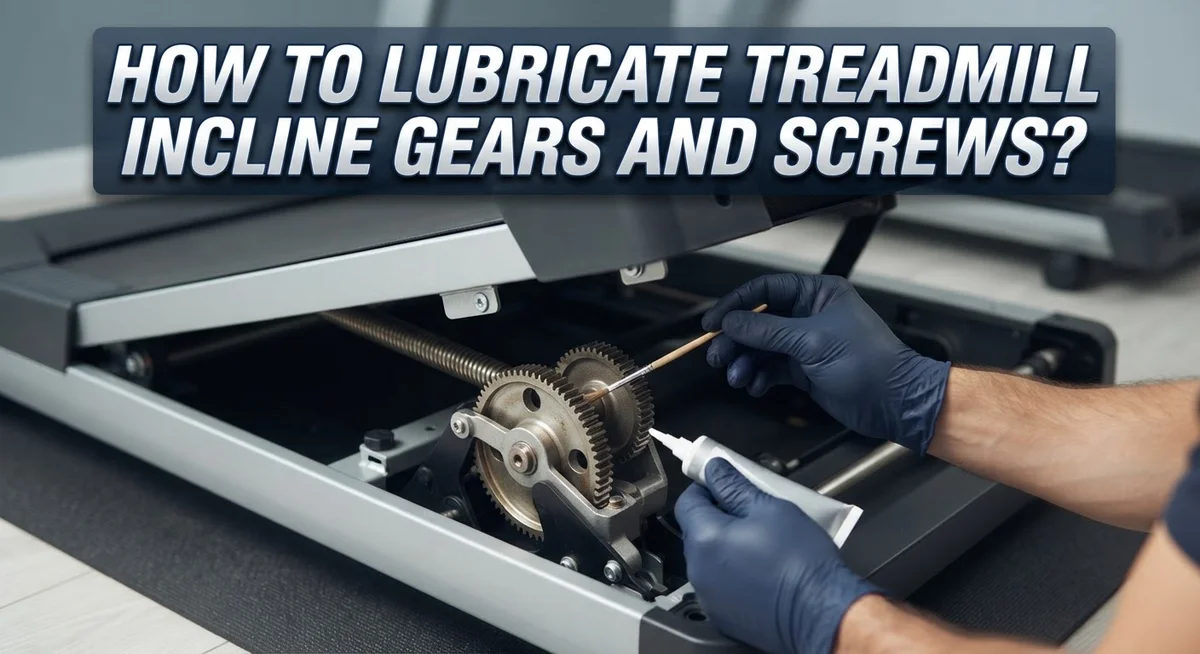
How To Lubricate Treadmill Incline Gears And Screws?
Your treadmill does more than just spin a belt. It also lifts and lowers to create inclines. This motion depends on small gears and screws that work hard every time you walk or run.
Many people only oil the belt and forget these hidden parts. Over time, dry gears can squeak, stick, or wear out faster than they should.
Regular lubrication keeps your incline system smooth and quiet. It also helps your treadmill last longer and perform better.
In this guide, you will learn how to lubricate treadmill incline gears and screws the right way. We will cover which lubricant works best and why silicone based options are safer than aerosol sprays.
In a Nutshell
- Turn off and unplug your treadmill before starting any lubrication work. Safety comes first, always.
- Use silicone based lubricant only. Water based formulas work best. Skip aerosol spray cans since most are not suitable for this job.
- Lift the belt on one side to reach the incline gears underneath. Apply lubricant in a zigzag pattern for even coverage.
- Check every visible bolt and screw on your machine each month. Loose fasteners cause squeaks and wobbling over time.
- Walk at 1 to 2 mph after applying lubricant. This simple test spreads the product evenly across all parts.
- Work from the console down to your machine’s base. This systematic approach helps you cover every important spot.
- Avoid common mistakes like lubricating only the belt or skipping monthly inspections. Your incline system needs equal care too.
Why Lubricating Incline Gears And Screws Matters
Your treadmill’s incline system works hard every time you adjust the angle. The gears and screws that control this motion need proper care to function well. Without regular lubrication, these parts wear down faster and create annoying squeaks or grinding sounds.
Incline gears face constant friction. Every time you raise or lower the deck, metal parts rub against each other. This friction generates heat and causes wear. Lubrication creates a protective film that reduces this wear and keeps everything moving smoothly.
Loose screws and bolts develop over time due to vibration. Your treadmill shakes slightly during use, which gradually loosens fasteners. Monthly inspections catch these problems early before they become serious issues.
Neglecting incline maintenance leads to bigger problems. A stuck incline motor costs far more to repair than a bottle of lubricant. Squeaking gears indicate that friction is building up. Loose bolts can cause the deck to shift unexpectedly during workouts, creating a safety hazard.
Regular lubrication also extends your machine’s lifespan significantly. Gears that run dry deteriorate much faster than properly lubricated ones. You’ll notice your treadmill feels more responsive and stable when all moving parts receive attention.
The good news is that lubrication takes minimal time. Most people spend just 10 to 15 minutes per month on this task. You don’t need special tools or technical knowledge to do it correctly.
Proper maintenance saves money and keeps you safe. When your incline system runs smoothly, your workouts feel better too. You’ll enjoy consistent performance without worrying about mechanical failures interrupting your routine.
Tools And Lubricants You’ll Need
Before you start lubricating your treadmill’s incline gears and screws, gather the right tools. Having everything ready makes the job faster and safer.
Lubricant is your most important item. You need silicone based lubricant specifically made for treadmills. Water based options work better than aerosol cans because they distribute evenly without excess spray. Aerosol products often oversaturate parts and attract dust. Check your treadmill’s manual to confirm the exact lubricant type your manufacturer recommends.
A clean cloth or rag helps remove old lubricant and debris. Dirt buildup prevents new lubricant from working properly. Use a lint free cloth to wipe down gears and fasteners before applying fresh lubricant.
You’ll need basic hand tools for bolt and screw inspection. A wrench set or socket set lets you check tightness on visible fasteners. A screwdriver set helps you access screws near the incline motor and console area. These tools let you spot loose fasteners during your monthly inspections.
An adjustable wrench works well for various bolt sizes. This single tool handles multiple fasteners without needing several different sizes.
A small brush or old toothbrush cleans tight spaces. Incline gears have crevices where dust collects. A brush reaches these spots and removes buildup before lubrication.
Safety glasses protect your eyes during inspection work. Small parts or lubricant splatter can happen unexpectedly.
Store all these items in one place near your treadmill. This makes monthly maintenance quick and convenient. You’ll spend less than ten minutes gathering supplies, and your treadmill will run better for years to come.
Preparing Your Treadmill For Maintenance
Before you start working on your treadmill’s incline system, you need to prepare properly. This step prevents damage and keeps you safe during maintenance.
First, find a clean, flat workspace. Your treadmill should sit on a level surface where you can move around it freely. A garage or home gym works well. Make sure you have good lighting so you can see all the gears and fasteners clearly.
Gather your supplies before beginning. You’ll need your silicone based lubricant, clean cloths, and basic hand tools nearby. Having everything ready means you won’t interrupt your work to search for items. This also helps you stay organized throughout the maintenance process.
Clear the area around your machine. Remove any objects, weights, or clutter that might get in your way. You need space to lift the belt and access the underside of your treadmill. A clear workspace reduces accidents and lets you work more efficiently.
Inspect your treadmill’s condition first. Look for visible dirt, dust, or old lubricant buildup around the incline mechanism. Wipe away loose debris with a dry cloth. This helps you see exactly where lubrication is needed and prevents contamination of fresh lubricant.
Check your owner’s manual for specifics. Different treadmill models have different maintenance requirements. Your manual shows you the exact locations of incline gears and which fasteners need attention. Following manufacturer guidelines protects your warranty and ensures proper care.
Set aside about 30 minutes for this task. Don’t rush through preparation. Taking time upfront makes the actual lubrication process smoother and more effective. A well prepared treadmill responds better to maintenance work.
Step-By-Step: Lubricating Incline Gears And Screws
Start by unplugging your treadmill completely. This is your most important safety step. Never work on moving parts while power flows through the machine.
Locate the incline motor and gear assembly. You’ll find these components near the front of the deck where the incline mechanism connects. Look for metal gears, bolts, and screws that control the angle adjustment.
Lift the running belt carefully to access the underside. Use your hands to gently raise one side of the belt. This gives you clear access to the incline gears and fasteners below.
Inspect all visible bolts and screws around the incline system. Check each one to see if it looks loose or corroded. Tightness matters because vibration gradually loosens these fasteners over time.
Apply your silicone based lubricant in a thin zigzag pattern across the incline gears. Don’t oversaturate the area. A small amount goes a long way and prevents sticky buildup.
Use a clean cloth to wipe away excess lubricant and old debris. This step ensures new lubricant reaches the metal parts that need it most.
Work systematically from the console downward toward the deck. This organized approach helps you avoid missing any components.
Plug the treadmill back in and test it at 1 to 2 mph. Let it run for a few minutes. This low speed walking test distributes the new lubricant evenly across all moving parts.
Listen for any unusual sounds during testing. Smooth operation means your lubrication was successful. Grinding or squeaking sounds indicate you may need additional attention to specific gears.
Testing And Distributing The Lubricant Evenly
Testing your treadmill after lubricating the incline gears ensures the lubricant spreads evenly throughout the system. This step matters because uneven distribution can cause squeaking or grinding sounds.
Start by plugging your treadmill back in after the lubricant application. Make sure the power cord connects fully to avoid interruptions during testing. Press the power button and let the machine boot up completely before moving forward.
Set the speed to 1 to 2 mph for your initial test run. This slow speed allows the lubricant to work into all the gear teeth and screw threads without forcing it away. Run the treadmill for about 2 to 3 minutes at this low speed.
Listen carefully during the test. You should hear smooth, quiet operation. If you notice squeaking or grinding, stop immediately and reapply lubricant to problem areas. Unusual sounds mean the lubricant hasn’t reached all the moving parts yet.
Gradually increase the speed to 3 to 4 mph if the low speed test goes well. This helps distribute the lubricant further into the incline motor and gears. Continue running for another 2 to 3 minutes at this moderate speed.
Check the incline function next. Use the incline buttons to raise and lower the deck several times. Watch for smooth, quiet operation as the gears move. Jerky movements or noise indicate you need more lubricant in specific spots.
After testing, wipe away any excess lubricant that has seeped onto the belt or deck. Use a clean, dry cloth for this task. Excess lubricant can make the belt slippery and reduce your safety during workouts.
Monthly Inspection Checklist For Bolts And Screws
A monthly inspection keeps your treadmill running smoothly. This simple habit prevents major problems before they start.
Begin your inspection with the machine unplugged and cold. Safety comes first when you’re checking internal parts. Walk around your treadmill slowly and look for loose bolts or screws. Pay special attention to the incline motor area where vibration causes fasteners to loosen over time.
Check every visible bolt and screw systematically. Start at the console and work your way down to the deck. Use your fingers to gently test each fastener. A loose bolt will move slightly when you apply light pressure. Mark any loose ones with a marker so you remember to tighten them.
Look for signs of corrosion or rust on metal fasteners. Moisture and sweat can damage bolts over months of use. Corroded fasteners need replacement before they break completely.
Inspect the incline gear assembly carefully. This area experiences the most stress during use. Check for debris, dust, or old lubricant buildup around the gears. Clean away any dirt with a dry cloth before applying fresh lubricant.
Examine screw heads for damage or stripping. Stripped screws cannot hold properly and need replacement. Look at the surrounding area for cracks or wear patterns that might indicate movement.
Document your findings in a simple notebook. Record which bolts were loose and when you tightened them. Note any unusual wear or damage you spotted. This record helps you identify patterns and predict future maintenance needs.
Perform this inspection every 30 days for regular users. Monthly checks catch problems early and extend your treadmill’s lifespan significantly.
Common Mistakes To Avoid
Using the wrong lubricant tops the list of costly mistakes. Aerosol silicone cans are unsuitable for treadmill incline systems. These products contain propellants that damage internal components and create buildup over time. Always choose silicone based lubricant specifically formulated for treadmills. Water based options work best because they clean while they lubricate.
Many people make the error of lubricating only the belt. Your incline gears and screws need attention too. Ignoring these parts causes friction, noise, and premature wear on your motor.
Applying too much lubricant causes problems. Excess product attracts dust and debris. It also seeps onto the belt surface, making it slippery and unsafe. Use a thin, controlled application instead.
Skipping regular inspections is another major mistake. Your treadmill’s fasteners loosen gradually with use. Monthly checks catch problems before they worsen. A loose bolt in the incline system can damage the gear assembly.
Don’t test your treadmill without letting the lubricant settle first. Running it immediately after application prevents even distribution. Wait a few minutes before powering on.
Forgetting to unplug your machine before working on it creates safety hazards. Always disconnect power completely before accessing any internal components.
Another common error involves using generic oils or household lubricants. These products aren’t designed for treadmill mechanics. They break down quickly and leave sticky residue.
Finally, avoid lubricating moving parts while the machine is plugged in. This creates electrocution risks and injury dangers. Always power off and unplug before any maintenance work. Following these guidelines keeps your incline system running smoothly and safely for years.
Troubleshooting Incline And Gear Issues
When your treadmill’s incline system makes grinding sounds or moves slowly, lubrication problems are often the culprit. The incline gears and fasteners need regular attention to function properly. This section helps you identify and fix common issues.
Grinding or squeaking noises usually mean the incline gears lack proper lubrication. Stop using the machine immediately and inspect the gear assembly. Look for visible debris or dried lubricant buildup around the incline motor area.
Slow incline response indicates friction in the system. The gears may be sticky from old, dried lubricant. Apply fresh lubricant to restore smooth operation.
Loose bolts and screws create rattling sounds during incline adjustments. Check all fasteners monthly with your treadmill unplugged. Tighten any loose screws you find, then apply a small amount of lubricant around the screw heads.
Corrosion on metal parts signals moisture damage. Wipe away rust with a dry cloth before lubricating. This prevents further deterioration of the incline mechanism.
If the incline gets stuck in one position, lubricant may have congealed inside the gear assembly. Gently work the incline up and down at low speed after applying fresh lubricant. Never force a stuck incline.
Regular maintenance prevents most problems. Check your incline system every month for signs of wear. Apply lubricant before issues develop rather than waiting for failures.
Always unplug your treadmill before inspecting gears or screws. Never apply lubricant while the machine is powered on. These safety practices protect you and your equipment from damage.
Final Thoughts
Keeping your treadmill’s incline gears and screws lubricated is a simple task. It does not take much time. But it makes a huge difference in how long your machine lasts.
Regular care prevents expensive repairs. A small amount of silicone lubricant and a few minutes each month can save you hundreds of dollars later. This small habit protects your investment.
Remember that lubrication works best as part of a routine. Pair it with your monthly bolt checks. Treat both tasks as one maintenance session instead of separate chores.
Your treadmill tells you when something is wrong. Listen to those signals. Grinding sounds, slow incline movement, or stuck settings all point to the same fix. Apply lubricant correctly and test the machine slowly.
Safety always comes first. Unplug your treadmill before touching any moving part. This simple step protects you from injury every single time.
Quality matters more than quantity. Use only the lubricant your manufacturer suggests. Water based silicone products work well for most machines. Avoid random household oils or sprays that seem convenient.
Think of this process as caring for a car engine. You would not skip oil changes. Your treadmill deserves the same level of attention.
Consistency builds results over time. One lubrication session will not fix years of neglect. But monthly care adds up to smooth performance for years.
Your treadmill is a machine with many moving parts. Each part depends on the others. Keeping the incline system lubricated keeps your whole workout experience smooth and safe.
Take five minutes each month for this task. Your knees, your workout, and your wallet will thank you. A well maintained treadmill is a reliable treadmill.
Frequently Asked Questions
What type of lubricant should I use on incline gears and screws?
Use only silicone based treadmill lubricant for your incline system. Water based options work best because they reduce residue buildup. Avoid aerosol cans completely – they are unsuitable for most treadmill mechanisms. Check your manufacturer’s manual for their specific lubricant recommendation. Never use household oils or generic lubricants on your machine.
How often should I lubricate the incline gears and fasteners?
Perform a monthly inspection of all visible bolts and screws on your treadmill. Apply lubricant during this routine check if you notice any dryness or slight resistance. Regular users should stick to this 30 day schedule consistently. This prevents grinding sounds and keeps your incline system responsive.
Where exactly do I apply lubricant besides the running belt?
Focus on all visible fasteners and the incline gear assembly itself. Apply lubricant in a zigzag pattern across the gears. Work systematically from the console area downward toward the base. Pay special attention to any metal parts that move during incline adjustments. Your manufacturer’s manual shows the exact locations for your model.
Why does my incline make grinding noises even after lubrication?
Grinding or squeaking usually means the gears still lack proper lubrication coverage. Check that you applied lubricant to all visible gear teeth and fasteners. Sometimes loose bolts and screws create rattling sounds during incline use. Tighten any loose fasteners you find during inspection. If noise continues, corrosion or wear on metal parts may require professional service.
Should I test the incline right after applying lubricant?
Yes, run your treadmill at 1 to 2 mph for a few minutes after lubrication. This low speed walking test helps distribute the lubricant evenly across all moving parts. Let the machine run briefly before using it at normal speeds. This simple step ensures the lubricant reaches all gear teeth and fasteners properly.

Hi, I’m Sarah Hill — the founder and voice behind Heavy Lift Vault. I’m passionate about fitness, strength training, and health technology. I spend my time researching, testing, and reviewing workout equipment and health devices so you don’t have to guess. My goal is to deliver honest, detailed, and trustworthy reviews that help you invest wisely in your fitness journey.