
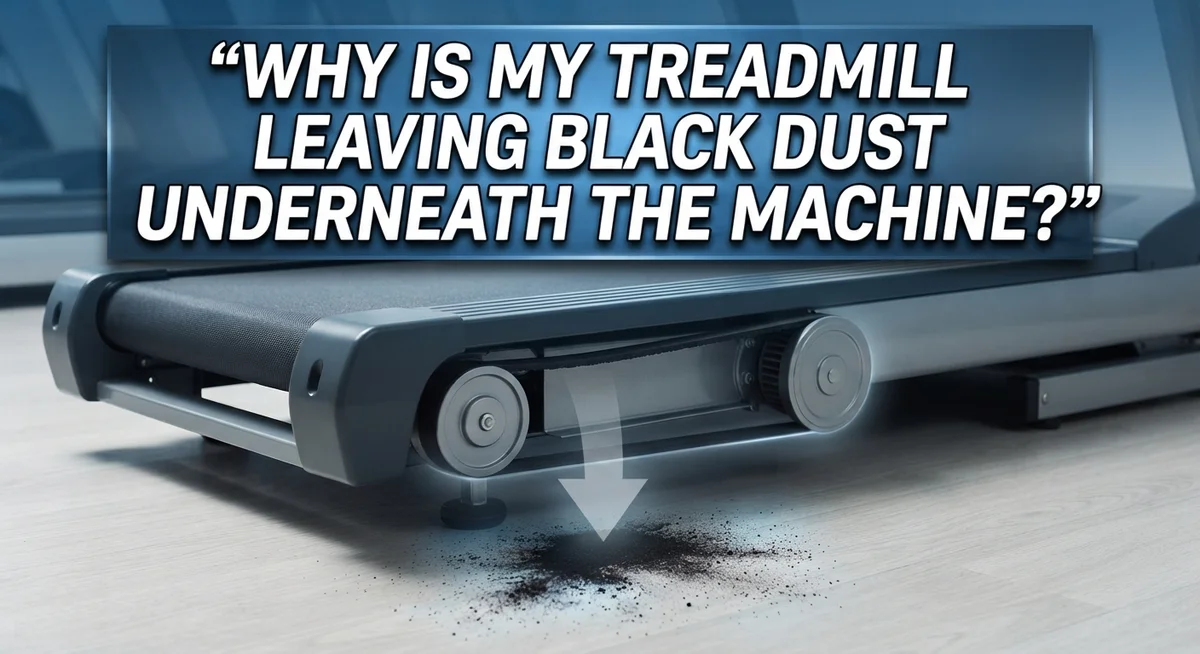
Why Is My Treadmill Leaving Black Dust Underneath The Machine?
Do you spot black dust under your treadmill after a workout? You are not alone.
Many treadmill owners notice this mystery mess. It often shows up on the floor or mat below the machine.
The good news? This is usually normal. Your treadmill belt naturally wears down over time.
But sometimes, black dust signals a bigger problem. Belt misalignment or poor maintenance can speed up this wear.
Shoe soles rubbing against the belt add to the mess too. Low quality belts break down faster than sturdy ones.
This article explains why your treadmill leaves black dust behind. You will learn the real causes behind this common issue.
In a Nutshell
- Black dust is usually normal. Your treadmill belt sheds tiny rubber particles as it rubs against the deck. This happens from regular use.
- Friction is the main culprit. The belt rubs against rollers and the deck every time you walk or run. This creates fine black powder over time.
- Misalignment makes it worse. If your belt shifts to one side, it scrapes against the edges. This causes extra wear and more dust.
- Shoe soles add to the mess. Rough or worn soles rub against the belt surface. This friction creates additional debris.
- Poor maintenance speeds up the problem. Skipping lubrication or ignoring belt tension leads to faster breakdown. Regular care keeps dust to a minimum.
- Low-quality belts wear out quicker. Cheaper materials break down faster under pressure. This means more dust and more frequent replacements.
What Causes Black Dust Under a Treadmill
Black dust under your treadmill comes from several sources. The most common cause is normal rubber belt wear. Your belt rubs against the deck and rollers thousands of times during each workout. This constant friction slowly erodes the rubber surface, releasing tiny black particles.
Belt misalignment is another major culprit. When your belt shifts to one side, the edges scrape against the deck or rollers. This creates more dust than normal wear alone. You might notice the belt drifting left or right during your run. That drift means friction is happening where it should not be.
Your shoes also contribute to the black dust. Rough or worn shoe soles create extra friction against the belt surface. Each step generates a tiny amount of rubber residue. Over time, this adds up to visible dust underneath the machine.
Maintenance neglect speeds up the problem significantly. A treadmill belt needs regular lubrication to reduce friction. Without proper upkeep, the belt works harder and wears faster. Incorrect belt tension also causes excessive wear. A belt that is too tight creates more friction. A belt that is too loose can slip and scrape.
Low quality belts wear out much quicker than standard ones. Cheaper materials break down faster under regular use. They shed more particles and create more dust.
The amount of black dust depends on your usage habits. Heavy daily runners see more dust than casual users. Longer workouts mean more friction and more wear. Running at high speeds increases belt stress too.
Most of the time, some black dust is completely normal. It shows your belt is doing its job. However, excessive dust or sudden increases mean something needs attention. Check your belt alignment and tension if the dust suddenly gets worse.
Is Black Dust Normal or a Sign of a Problem
Black dust under your treadmill is usually normal. Your rubber belt naturally sheds tiny particles as it wears down from friction. This happens to almost every treadmill owner, so you are not alone in seeing this mess.
The key question is whether your black dust signals normal wear or a real problem. Normal wear produces a small amount of dust regularly. You might see a light coating under the machine after several weeks of use. This is expected and nothing to worry about.
However, excessive black dust can indicate an issue. If you see large amounts of dust after just a few workouts, something needs attention. This suggests your belt is breaking down too quickly. The problem could be misalignment, improper tension, or a low quality belt.
Belt misalignment is a common culprit. When your belt shifts to one side, it scrapes against the deck or rollers. This creates more friction and speeds up rubber breakdown. You can check alignment by looking at the belt position while the machine is off.
Improper belt tension also causes problems. A belt that is too loose or too tight wears faster. It rubs more aggressively against the deck, producing extra dust. Checking tension regularly keeps this issue in check.
Your shoes matter too. Worn or rough shoe soles create friction against the belt surface. This adds to the dust problem. Clean shoes with smooth soles help reduce this effect.
The bottom line: some black dust is normal, but excessive amounts mean something needs fixing. Pay attention to how much dust appears and how quickly it builds up. If the amount seems extreme, inspect your belt alignment and tension. Regular maintenance prevents most dust problems. Keep your belt lubricated and properly tensioned, and you will see much less black dust over time.
How Belt Misalignment Leads to Excess Dust
When your treadmill belt sits off center, it creates a serious problem. The edges of the belt start rubbing directly against the deck or rollers instead of gliding smoothly over them. This constant scraping generates most of the black dust you see underneath your machine.
Misalignment happens gradually over time. Your belt may shift just a quarter inch, but that small movement causes friction in the wrong spots. Each footstep pushes the belt slightly, and if tension is uneven, the belt drifts toward one side. The rubber then grinds against stationary parts, releasing black particles continuously.
You can spot misalignment yourself. Watch your belt while the treadmill runs at a slow speed. Does it move toward the left or right edge? Does it touch the side rails? If yes, your belt is misaligned and needs adjustment. Stop the machine immediately to prevent further damage.
The dust increases rapidly when misalignment worsens. A belt that’s only slightly off center produces moderate dust. A severely misaligned belt creates clouds of black powder. This excessive dust signals that your belt is wearing down much faster than normal.
Misalignment also damages other parts. The friction heats up the deck and rollers. Over time, this heat weakens the materials underneath. You might notice squeaking sounds or burning smells if misalignment goes unchecked for weeks.
The good news is that fixing misalignment stops most of the excess dust. Once your belt runs centered on the deck, friction drops dramatically. You’ll still see some black dust from normal wear, but the amount decreases significantly. Regular checks keep your belt aligned and your treadmill running cleanly. Inspect your belt alignment every two weeks if you use your machine daily.
Step-by-Step: Inspecting Your Belt and Rollers
Start by stopping your treadmill and unplugging it completely. Safety comes first when you inspect any part of your machine.
Look at the belt from the side. Does it sit centered between the rollers? A belt that drifts left or right tells you alignment is off. Grab the belt gently and try to move it by hand. It should not shift easily.
Check the belt’s edges carefully. Run your finger along where the belt meets the deck. Feel for rough spots or worn areas. These indicate the belt scraped against the deck during use.
Inspect both rollers underneath. Spin them by hand and look for black marks or grooves. Deep grooves mean the belt has been rubbing hard. Dust collects in these worn areas.
Look at the belt surface itself. Is it smooth or rough? Rough texture means rubber is breaking down faster. Smooth belts generate less dust during normal wear.
Check belt tension next. Press down on the belt midway between rollers. It should move about half an inch. Too tight or too loose causes problems.
Examine your shoes too. Worn soles shed rubber onto the belt. Look at the bottom of your running shoes. Rough or uneven wear patterns mean they contribute to the dust.
Walk on the belt slowly without power to feel any resistance. Uneven resistance suggests misalignment. The belt should feel smooth and consistent.
Take photos of any problem areas. This helps you track whether issues get worse over time.
Clean up the black dust you find. Use a damp cloth to wipe underneath and around the machine. This removes old dust so you can spot new accumulation more easily.
Document your findings. Write down belt alignment, tension, and any rough spots. This information helps you decide if professional service is needed or if simple adjustments fix the problem.
Proper Maintenance Routine to Reduce Dust Buildup
A proper maintenance routine prevents excessive black dust from accumulating under your treadmill. Regular care stops small problems from becoming big ones.
Start by cleaning your treadmill weekly. Use a dry cloth or soft brush to wipe the belt surface and remove loose rubber particles. This simple step keeps dust from building up underneath the machine. Pay special attention to the areas around the rollers where dust collects most.
Check your belt tension every two weeks during regular use. A belt that’s too loose slips and creates more friction, which means more dust. A belt that’s too tight strains the motor and rollers. Your manual explains how to adjust tension properly for your specific model.
Lubricate your belt according to the manufacturer’s schedule. Most treadmills need silicone lubricant applied to the underside of the belt every three to six months. Proper lubrication reduces friction between the belt and deck, which directly lowers dust production. Never use oil or grease, as these attract dirt and make problems worse.
Inspect your running shoes regularly. Worn shoe soles shed rubber particles onto the belt surface, contributing to black dust. Replace shoes when the bottoms show significant wear or when you notice increased dust levels.
Vacuum underneath and around your treadmill monthly. This removes accumulated dust before it spreads throughout your exercise space. Use a handheld vacuum or shop vac to reach tight spots under the machine.
Check belt alignment every month. A centered belt produces less dust than a misaligned one. Look at the belt from the side while the treadmill is unplugged and stationary.
Store your treadmill in a clean, dry area when not in use. Dust and humidity accelerate rubber deterioration. Cover the machine if it sits unused for extended periods.
These maintenance habits combined keep dust levels normal and your treadmill running smoothly for years.
Common Mistakes That Make the Problem Worse
Many people make simple mistakes that actually make the black dust problem worse. Understanding these errors helps you avoid them and keep your treadmill in better shape.
Ignoring belt misalignment is the biggest mistake. Most people notice extra dust but assume it’s normal wear. They don’t realize the belt has shifted slightly off center. This small shift causes the belt edges to scrape against the deck or rollers. Each time you run, more rubber particles come off. The problem gets worse every single day you ignore it.
Skipping maintenance routines accelerates dust buildup significantly. You might think cleaning is optional, but dust attracts moisture and dirt. This mixture sticks to moving parts and speeds up rubber deterioration. Your belt breaks down faster when you don’t maintain it regularly.
Using worn out shoes on your treadmill makes things worse too. Shoe soles shed rubber particles onto the belt surface. These particles mix with belt dust and increase the total amount under your machine. Your footwear matters more than many people realize.
Applying too much lubricant creates another common problem. Over lubrication attracts dust like a magnet. The excess oil or silicone coating becomes sticky, and black particles stick to it. This actually makes the dust accumulation look worse than it is.
Neglecting to check belt tension regularly is another error. A loose belt slips more during use. This extra friction generates more dust particles. A tight belt causes different problems, but a properly tensioned belt reduces unnecessary wear.
Finally, many people use low quality replacement belts. Cheap materials wear faster and shed more particles. Investing in a better belt from the start prevents excessive dust problems down the road.
The key is staying proactive. Small maintenance steps prevent major dust issues before they start.
Troubleshooting Persistent or Excessive Dust
When black dust appears under your treadmill regularly, you need to understand what causes persistent or excessive buildup. Normal wear produces some dust, but too much signals a problem you should address.
The most common culprit is belt misalignment that worsens over time. When your belt drifts to one side, it scrapes constantly against the deck or rollers. This friction creates more dust than normal wear alone. Check your belt position weekly if you notice excessive dust accumulating quickly.
Belt tension issues also contribute significantly to dust problems. A belt that’s too loose slips and slides more, generating extra rubber particles. A belt that’s too tight strains the motor and accelerates deterioration. Your manufacturer’s guidelines tell you the correct tension. Test it by lifting the belt at its midpoint. It should move about 2 to 3 inches up.
Shoe sole condition matters more than many people realize. Worn rubber soles shed particles directly onto your belt surface. These particles mix with belt dust, creating the black powder you find underneath. Replace shoes when their soles show significant wear patterns.
Neglecting your maintenance schedule makes dust problems exponentially worse. Skipping lubrication causes the belt to work harder and wear faster. Forgetting to clean your treadmill allows dust to accumulate underneath where it attracts moisture and accelerates rubber breakdown.
The key to managing persistent dust is consistent action. Check belt alignment monthly. Test tension every two weeks during active use. Clean underneath your machine monthly with a vacuum. Inspect your shoes regularly and replace them when needed.
If dust continues despite proper maintenance, your belt may have reached the end of its lifespan. Most belts last between 300 and 500 hours of use. Tracking your usage helps you know when replacement becomes necessary rather than optional.
Final Thoughts
Black dust under your treadmill is usually normal. It comes from your belt wearing down over time.
Rubber erosion happens to every treadmill. Friction between the belt and deck creates fine particles. This process is natural and expected.
However, excessive dust signals a problem. If you notice large amounts building up quickly, something needs attention. Your belt might be misaligned or worn out.
Regular checks make a real difference. Look at your belt alignment often. Check the tension too. These simple habits catch problems early.
Your maintenance routine matters more than you think. A well maintained treadmill produces less dust. It also lasts longer and runs smoother.
Quality parts play a role too. Cheap replacement belts wear faster. They create more dust and need replacing sooner.
Your shoes affect dust levels as well. Clean, well maintained soles reduce friction. Worn out shoes make the problem worse.
Think of dust as feedback from your machine. It tells you what needs attention. Listening to these signals saves you money and hassle.
Don’t panic if you see some dust. This is part of owning a treadmill. Every machine sheds some particles as it ages.
But don’t ignore heavy or growing dust piles either. This usually means something is wrong. Catching issues early prevents bigger repairs later.
The good news is these problems are fixable. Most causes trace back to alignment, tension, or maintenance. Addressing these areas solves the issue in most cases.
Stay consistent with your care routine. Check your belt regularly. Clean your machine often. Replace worn parts when needed.
Your treadmill will thank you with smoother runs. You’ll also spend less time cleaning underneath it. A little effort now saves bigger headaches later.
Understanding this dust helps you use your treadmill better. You now know what’s normal and what’s not. This knowledge keeps your machine running well for years.
Frequently Asked Questions
Is black dust under my treadmill dangerous?
Black dust from your treadmill belt is not toxic to breathe in small amounts. However, excessive dust buildup can affect air quality around your exercise area. The dust itself comes from normal rubber erosion, so it’s not harmful material.
That said, heavy dust accumulation suggests your treadmill needs attention. Pay attention to how much dust appears. A small amount is normal wear. Large piles indicate alignment or tension issues that need fixing.
Why does my treadmill produce more dust than my friend’s?
Several factors affect dust production. Belt quality matters significantly. Lower quality belts wear faster and shed more particles. Your usage patterns also play a role. Running longer distances daily creates more friction than occasional use.
Shoe condition impacts dust too. Worn shoe soles generate extra friction against the belt surface. Your maintenance routine makes a huge difference as well. Skipping regular checks allows problems to worsen.
Can I reduce the black dust my treadmill produces?
Yes, you can minimize dust with consistent care. Check your belt alignment monthly to catch misalignment early. Adjust belt tension according to your machine’s guidelines. Proper tension prevents slipping and sliding that creates extra dust.
Keep your shoes in good condition. Worn soles increase friction unnecessarily. Clean your treadmill regularly to prevent dust from accumulating underneath. Store your machine in a clean, dry space.
What’s the difference between normal dust and a problem?
Normal dust appears as a light coating under your machine after weeks of use. A problem exists when you see thick dust piles after just days of running.
Excessive dust signals misalignment or tension issues. Your belt may be rubbing against the deck or rollers. This requires immediate attention to prevent further damage and dust production.

Hi, I’m Sarah Hill — the founder and voice behind Heavy Lift Vault. I’m passionate about fitness, strength training, and health technology. I spend my time researching, testing, and reviewing workout equipment and health devices so you don’t have to guess. My goal is to deliver honest, detailed, and trustworthy reviews that help you invest wisely in your fitness journey.